The Sweaty Palm Reality of My First Electric Ride
Most people completely freeze the first time they take their foot off the accelerator in a brand-new EV. I definitely did. Instead of coasting like my old gas car, my new electric ride jerked so hard I thought I hit a wall. You are definitely not alone if this driving style makes your hands sweat and your passengers dizzy. But here is the good news: once you stop fighting the pedal and learn a few simple foot movements, you will never want to go back to traditional brakes. Let me show you exactly how to make your daily commute smoother than ever.
Ordinary drivers making the switch to electric vehicles go through this exact same stressful phase. It ruins the excitement of getting a brand-new high-tech car. You end up feeling frustrated, motion-sick, and confused about why something supposed to be "advanced" feels so difficult to use.
But giving up on this amazing feature means missing out on the best part of owning an electric car. Once you understand the hidden mechanics behind your foot, driving becomes incredibly relaxing.
Quick Action Plan for Today's Read:
- Forget your old habits; your accelerator now works like a volume dial for speed.
- Practice the gentle "feathering" motion instead of lifting your foot completely off the pedal.
- Use the physical brake pedal once a week to keep your rotors free from hidden rust.
- Always turn down regeneration settings when driving on slippery winter ice.
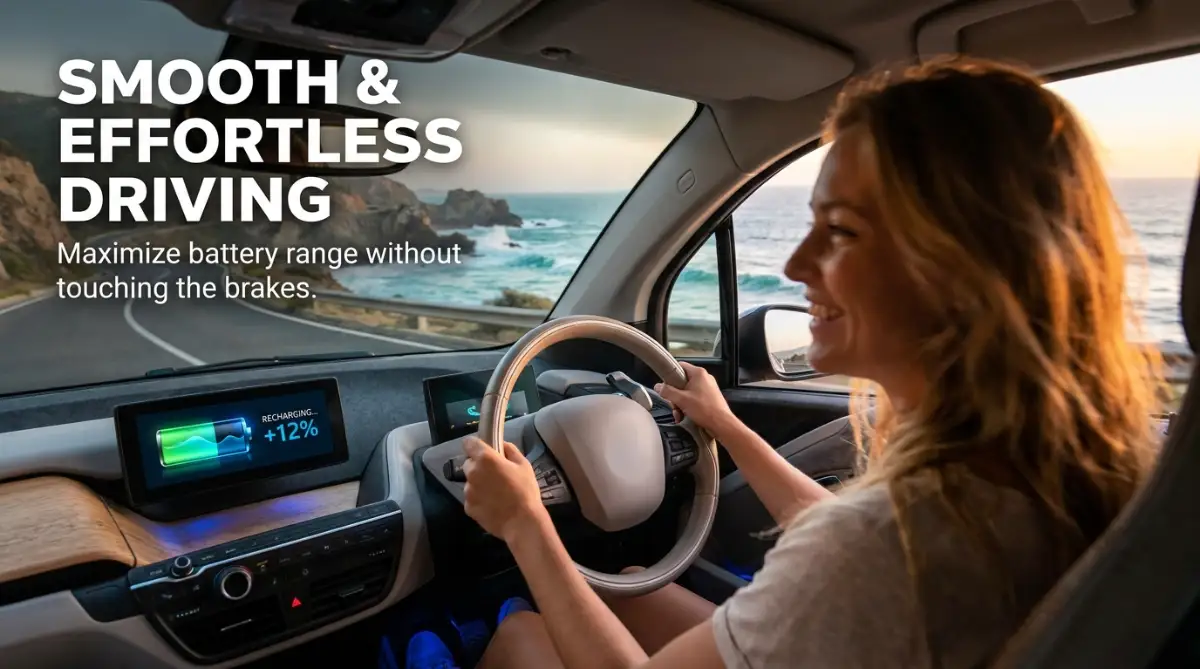
The Magic Hidden Inside Your Accelerator
To truly master this driving method, we need to completely forget how traditional gas cars operate. In a normal car, the accelerator gives you speed, and letting go simply allows the car to roll freely. You have to physically move your foot to a second pedal to squeeze the brake pads and stop the wheels.
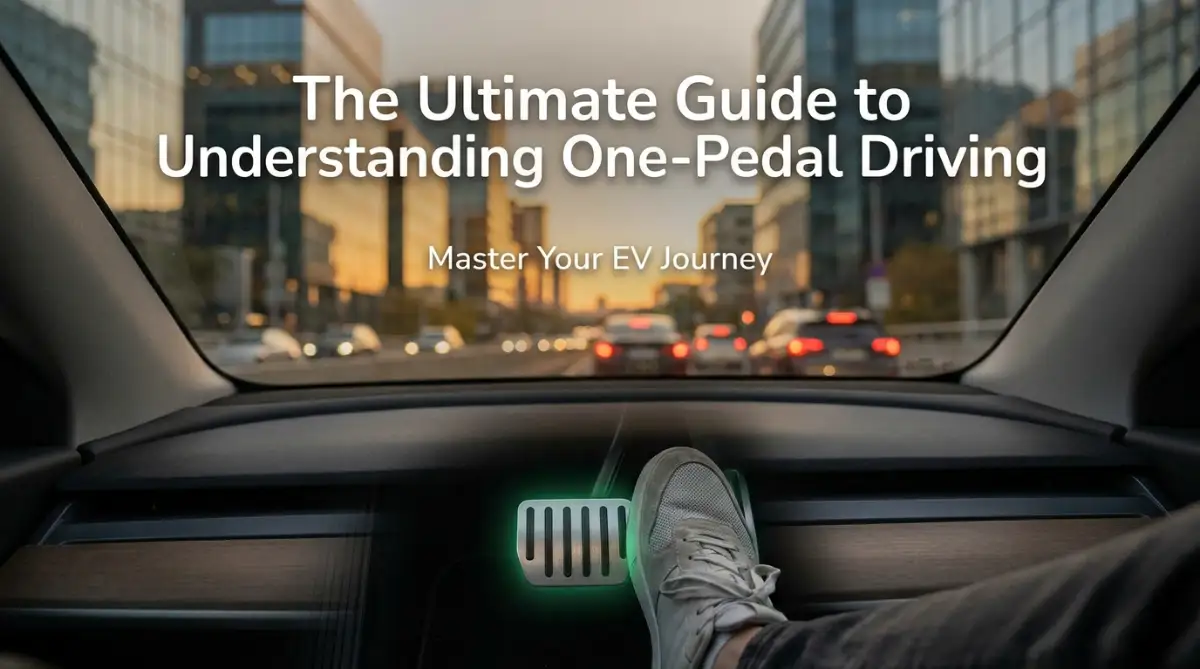
Electric cars completely rewrite this logic. The single pedal under your right foot acts like a volume dial on a stereo. Pushing it down increases the energy sent to the motor, pushing you forward. Rolling it backward reverses the process.
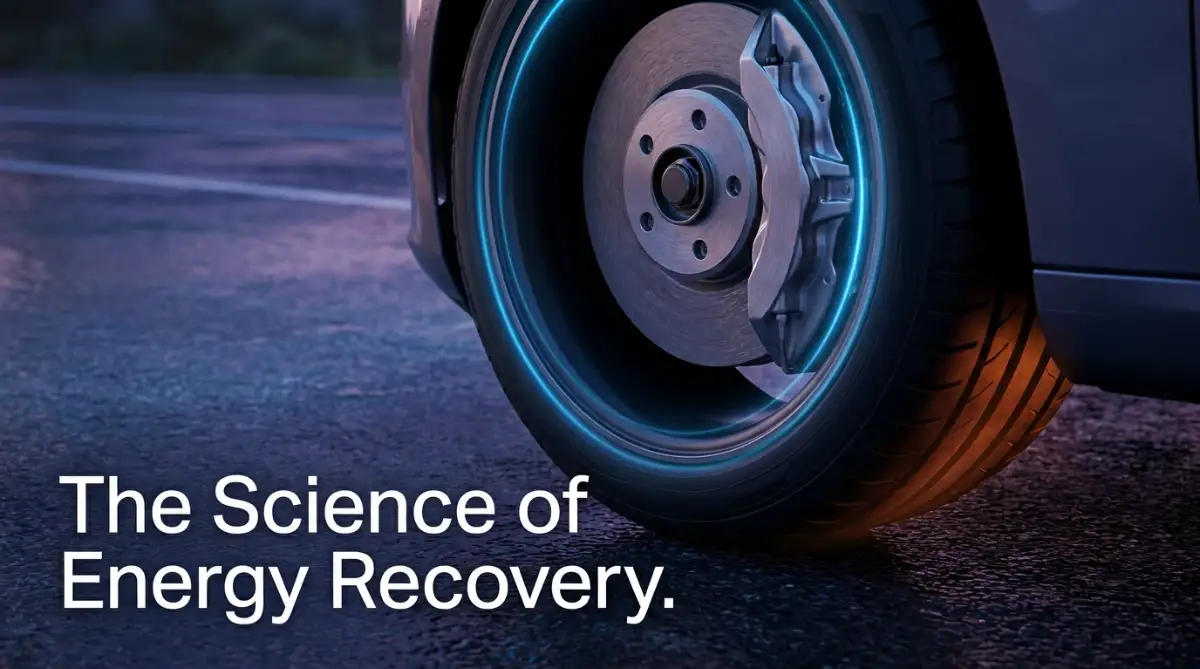
This amazing system is called regenerative braking. When you ease off the accelerator, the electric motor instantly turns into a giant generator. It uses the forward momentum of the heavy car to generate electricity, which is sent straight back into your battery pack.
The resistance from creating this electricity is what slows the car down so effectively. You are essentially using the laws of physics to stop your car while simultaneously creating free fuel. It is a brilliant piece of engineering that saves energy, and you can actually read more about how this system maximizes efficiency on the official guide to electric vehicle technology at FuelEconomy.gov.
Before we move further, you need to realize that your car's stopping power changes depending on the environment. Here is a quick cheat sheet I made after driving through different seasons:
Myth vs. Reality: Clearing the Confusion
Whenever I talk to friends about electric vehicles, I hear the same funny rumors. Let us clear up some of the biggest misunderstandings right now.
Myth: The brake lights do not turn on when you use one-pedal driving, making it dangerous.
Reality: Your electric car is incredibly smart. It has sensors that detect how fast you are slowing down. Even if you never touch the brake pedal, the car will automatically flash your red brake lights to warn drivers behind you.
Myth: You can never use the actual brake pedal again.
Reality: Your car still has regular hydraulic brakes just like any other vehicle. If a deer jumps in front of you or a car stops suddenly, you can and should slam on the normal brake pedal for an emergency stop.
Traditional Braking vs. EV One-Pedal Driving
Here is a quick look at how the two driving styles compare in everyday situations.
Mastering the Art of Smooth Foot Control
💡 Did You Know?
Formula E race cars use the exact same regenerative braking technology found in your daily commuter car. In fact, modern electric race cars generate so much power from braking that they actually produce up to 40% of the total energy they need for the entire race just by slowing down for tight corners!
Now that we understand the science, let us get into the practical steps. You do not need any special skills to become great at this. You just need to retrain your muscle memory.
The very first thing you should do is find a quiet, empty parking lot or a deserted street. Taking the pressure off yourself is incredibly helpful. You do not want angry drivers honking at you while you figure out how the car responds.
Start by driving up to a moderate speed, like twenty miles per hour. Instead of completely taking your foot off the accelerator, just lift it slightly. You will feel the car begin to gently drag. Try to maintain a slow, steady deceleration until the car comes to a complete halt.
The Gentle "Feathering" Technique
The secret to a butter-smooth ride is a technique I like to call "feathering." Think of the pedal like a dimmer switch for the lights in your living room. You never want to flick it completely on or completely off in one sudden motion.
When you see a stop sign ahead, slowly release the pressure on your foot millimeter by millimeter. By keeping your foot connected to the pedal, you stay in total control of how aggressively the car slows down.
I actually learned this the hard way during my first week of ownership. My biggest mistake was completely lifting my foot off the pedal the second I saw a red light in the distance. This caused the car to nose-dive aggressively. Now, I keep my foot rested on the pedal and slowly ease it back, which makes the ride incredibly smooth for my passengers.
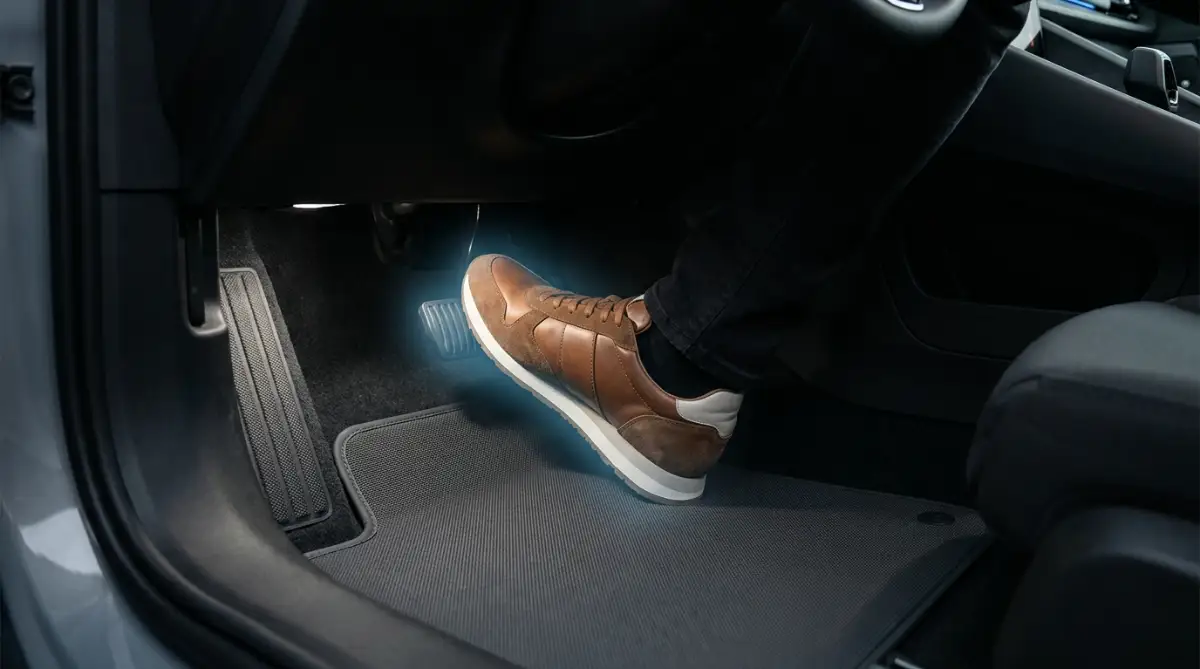
Want to see exactly how this foot movement looks in action? Check out this incredibly helpful video demonstration that perfectly illustrates the feathering technique for a bump-free ride.
Navigating Heavy Stop-and-Go Traffic
Once you get comfortable, rush-hour traffic becomes your best friend. In a gas car, creeping along in traffic is an exhausting dance between the gas and brake pedals. Your ankle gets tired, and your patience wears extremely thin.
With an electric car, traffic jams become surprisingly relaxing. You only need to apply tiny bits of pressure to creep forward. When the car ahead of you stops, you simply release that tiny bit of pressure.
You never have to move your heel from the floorboard. The car handles all the stopping work for you. Many drivers report feeling significantly less physically tired after a long commute in heavy city traffic because of this single feature.
Highway Driving and Coasting Dynamics
Highway driving requires a slightly different mental approach. At higher speeds, regenerative braking can feel a bit more aggressive if you are not careful. Wind resistance is already pushing against the car, so any sudden lift off the pedal will slow you down rapidly.
When driving on the highway, your main goal is to maintain a steady speed. If you need to slow down for slower traffic, try to anticipate it early. Gently ease your foot back instead of snapping it away.
Some electric cars allow you to adjust the strength of the regenerative braking through the dashboard screen. If you find highway driving too jerky, you can easily turn the setting down to a lower, more relaxed level. This gives the car a feeling closer to traditional coasting.
The Hidden Rewards of Driving This Way
First, let us talk about your brake pads. Because the electric motor does 90 percent of the stopping work, your actual physical brakes are rarely used. Many electric vehicle owners drive their cars for thousands of miles without ever needing a brake job.
This saves you an incredible amount of money at the mechanic shop. Your brake pads and rotors will look practically brand new even after years of daily driving. The only maintenance they usually need is a quick cleaning to prevent rust buildup.
Watching Your Battery Range Grow
The most exciting benefit is watching your driving range magically increase. Every time you slow down using the pedal, you are actively mining electricity. The energy screen on your dashboard will usually show a green bar indicating power flowing backward.
If you live in a hilly area, this becomes a fun game. Driving down a long, steep mountain road can actually add noticeable miles back to your battery gauge. You arrive at the bottom of the hill with more fuel than you started with.
In city driving with lots of stops and starts, this constant energy recovery makes a massive difference. You are effectively recycling your own momentum. It makes the car remarkably efficient and drastically reduces range anxiety.
Overcoming Bad Habits and Mental Blocks
It is completely normal to feel a bit of panic when your foot is hovering over the accelerator while trying to stop. Your brain has spent years telling you that the brake pedal is the only safe way to halt a moving object.
One common mistake beginners make is hovering their foot over the brake just in case. While it is good to be prepared, constantly moving your foot back and forth defeats the entire purpose. Trust the system to slow you down.
Another issue is misjudging the stopping distance. Because the braking force is so strong, new drivers often stop ten or twenty feet short of the actual intersection. You then have to awkwardly press the accelerator again to inch forward to the line.
Do not beat yourself up over this. It takes a solid week or two for your brain to map out the exact distance required to stop gracefully. Pay close attention to how the car behaves at different speeds. Soon enough, judging the stopping distance will become second nature.
My Personal Quick Fix: Try driving barefoot or wearing very thin-soled shoes for the first few days. I know it sounds a bit strange, but feeling the exact vibration of the pedal through your foot helps your brain memorize the sensitivity twice as fast as wearing heavy boots!
How Weather Changes The Rules
There is one important detail that many guides completely ignore. The regenerative braking system can behave differently depending on the outside temperature and battery level.
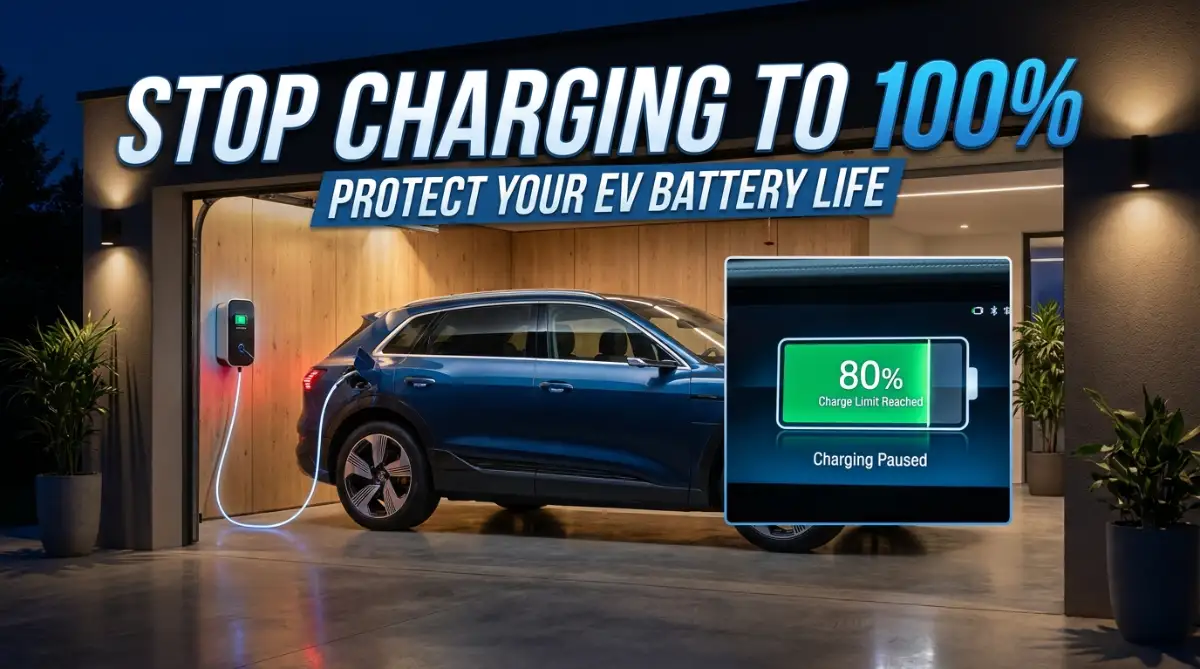
If you charge your battery all the way to 100 percent, the car has nowhere to store recovered energy. Because the battery is completely full, the car might temporarily disable the one-pedal driving feature. When this happens, the car will roll freely, and you will have to use the physical brakes.
Cold winter weather also plays a huge role. Cold batteries cannot accept energy as quickly as warm ones. On a freezing morning, your stopping power might feel noticeably weaker until the battery warms up. Always be prepared to use your normal brakes during the first few miles of a cold winter drive.
Adapting to Different Car Brands
It is also worth noting that not every electric car feels the same. Different car manufacturers design their systems with varying levels of intensity. Some cars will aggressively bring you to a complete stop the second you lift your toe.
Other models might slow you down to a crawl but require you to press the brake pedal to achieve a complete, locked stop. Always take the time to read the settings menu on your specific dashboard.
You can usually customize the driving experience to match your personal taste. Finding the setting that feels most natural to you is the key to falling in love with your electric vehicle.
By taking the time to understand the mechanics, practicing your footwork, and anticipating traffic, you will transform your daily commute. You will glide through city streets effortlessly, saving energy and enjoying the peaceful, quiet ride that electric vehicles are famous for.
Next-Level Techniques for Maximum Efficiency
Once you get completely comfortable with the basic stopping motion, a whole new world of driving efficiency opens up. I remember feeling incredibly proud when I finally stopped making my passengers dizzy. But the real fun begins when you start actively using this pedal to outsmart the road.
By making a few tiny adjustments to your daily driving habits, you can push your battery range far beyond what the manufacturer advertised. It all comes down to understanding how your car interacts with the environment around it. You are no longer just a driver; you are an active energy manager.
Let us look at some highly effective strategies that experienced owners use to get the absolute most out of every single battery charge. These are the small secrets that make driving an electric vehicle so incredibly rewarding.
Finding the Invisible "Coasting" Sweet Spot
There is a secret hidden inside your accelerator pedal that most beginners completely miss. We already know that pushing down makes you go, and pulling all the way back slows you down. But right in the middle of those two actions is a magical resting point.
If you hold your foot at the exact right angle, the car will neither use energy nor regenerate it. You will see the energy dial on your dashboard sit perfectly at zero. You are effectively shifting the car into neutral just by using perfect foot pressure.
This coasting technique is absolutely brilliant for long, flat stretches of highway. Letting a heavy car roll on its own momentum is often much more efficient than constantly bouncing between accelerating and braking. It takes a soft touch to find this sweet spot, but your ankle will memorize the feeling after a few long drives.
Reading the Road Like a Chess Player
The best electric vehicle drivers are always looking three steps ahead. In a traditional gas-powered car, you might speed up right until you hit the bumper of the car ahead, then slam on the brakes. That aggressive driving style completely ruins your battery efficiency.
Instead, you need to start predicting the flow of traffic long before you get there. If you see a traffic light turn red a quarter-mile down the road, start easing off the pedal immediately. Let the natural resistance of the motor slowly bring you to a halt over a long distance.
By dragging out your stopping time, you give the battery a much longer window to absorb free energy. This forward-thinking mindset is especially helpful when planning an electric vehicle road trip, where every single mile of range counts. You will arrive at your destination with plenty of power to spare.
Conquering Steep Hills and Mountain Roads
Driving in mountainous areas completely changes the rules of energy recovery. When you drive up a steep hill, your car uses a massive amount of power, and you will watch your estimated range drop rapidly. Do not let this panic you, because what goes up must come down.
When you crest the hill and start driving downward, gravity takes over. You can completely lift your foot off the pedal and let the heavy weight of the car push you forward. The regenerative braking system will aggressively capture all that downward force.
I once gained fifteen miles of free range just by rolling down a long mountain pass. It is an amazing feeling to watch your battery gauge actually go up while driving. Understanding these physical dynamics is a huge part of making sense of kilowatt-hours and range.
Customizing Your Drive Modes
Almost every modern electric car comes with different selectable driving profiles on the dashboard screen. You will usually see options labeled Eco, Normal, and Sport. These modes do not just change how fast the car accelerates; they directly change how the pedal feels under your foot.
In Eco mode, the car usually maximizes the energy recovery. The moment you lift your foot, the drag will feel incredibly strong. This setting is perfect for heavy city traffic where you want to harvest as much stopping energy as possible.
Sport mode does the exact opposite. It reduces the stopping drag to make the car feel lighter and more aggressive. Taking the time to experiment with these settings will help you match the car's personality to your own driving style.
Dangerous Habits You Must Break Quickly
While mastering this single-pedal system is highly rewarding, it can also lead to some lazy driving habits if you are not careful. Because the car does so much of the work for you, it is easy to stop paying attention to the actual physical mechanics of your vehicle.
I have seen many new owners make the same exact mistakes, which often leads to expensive repair bills or scary moments on the road. We need to talk about the hidden dangers that come with completely ignoring your traditional brake pedal.
You cannot treat an electric car exactly like a large golf cart. It is still a heavy, powerful machine that requires serious respect and situational awareness. Let us walk through the most common pitfalls so you can keep your car in perfect condition.
The Hidden Danger of Rusting Brake Rotors
Because the electric motor stops the car so perfectly, you might go weeks without ever touching your physical brake pads. While this saves you money on replacement parts, it creates a completely new, annoying problem. Your metal brake rotors will start to accumulate a thick layer of surface rust.
Normally, the friction of daily stopping scrapes this rust off automatically. But since you are not using them, the rust just sits there and slowly degrades the metal. The next time you actually need to slam on the brakes for an emergency, you might hear a horrible grinding noise.
To prevent this, you need to intentionally use your physical brakes once or twice a week. When you are on a safe, empty street, turn off the regenerative setting and firmly press the brake pedal a few times. This simple cleaning habit keeps the metal shiny and ensures your emergency stopping power is always ready.
Eating Through Expensive Rubber Tires
Electric cars are significantly heavier than gas cars because of the massive battery packs sitting underneath the floor. When you combine this extreme weight with the aggressive stopping force of the motor, your tires take an absolute beating.
If you make a habit of lifting your foot off the pedal violently, the tires have to grip the pavement incredibly hard to slow that heavy weight down. Over time, this tears tiny chunks of rubber off your tire tread. It is one of the biggest reasons why EV tires can wear out quickly.
You can easily avoid this expense by always using the gentle "feathering" technique we discussed earlier. Smooth, gradual stops are much kinder to your rubber tread, helping you maintain the proper tread depth recommended by the National Highway Traffic Safety Administration (NHTSA) tire safety guidelines. Your wallet will thank you when you do not have to buy new tires so frequently.
Unpredictable Sliding on Winter Ice
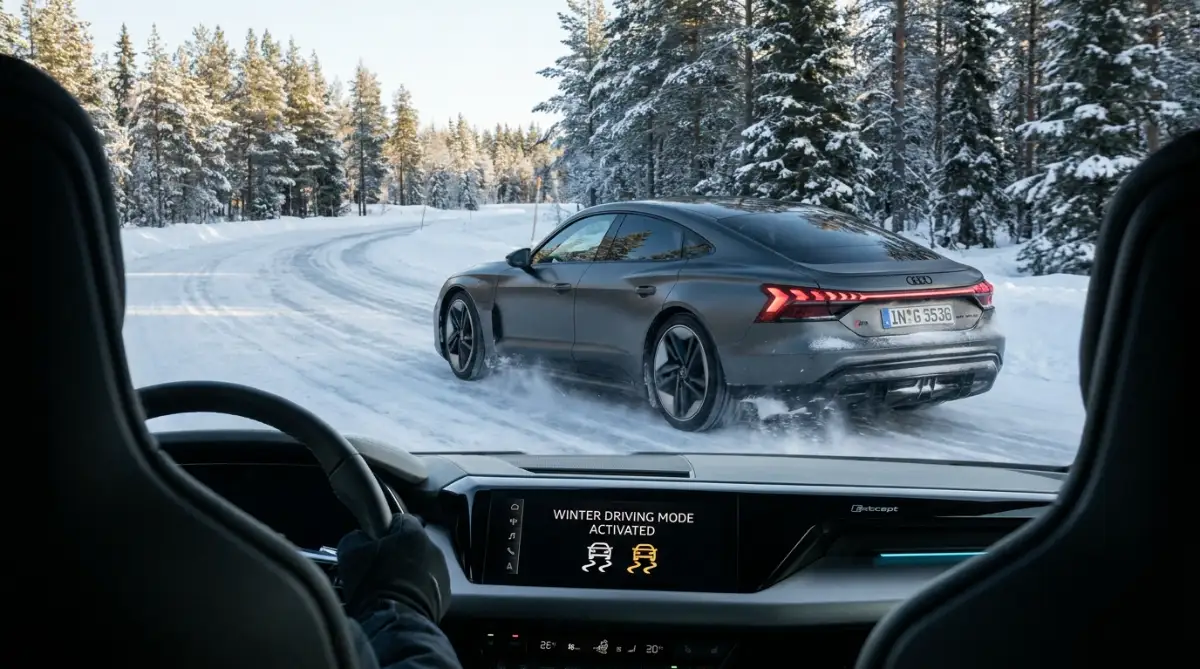
Winter driving requires a massive shift in how you handle your accelerator pedal. If you are driving on a sheet of packed snow or ice, lifting your foot quickly can actually be incredibly dangerous. The sudden stopping force applied to the wheels can easily break your traction.
Unlike traditional anti-lock brakes, heavy motor regeneration can sometimes cause the car to skid sideways before the computer can correct it. I learned this terrifying lesson during my first snowy commute when the back end of my car completely kicked out on a slippery turn.
When the roads are icy, you should always go into your screen settings and turn the regeneration level to its lowest possible option. You want the car to roll freely on snow so you can gently apply the manual brakes yourself. Safety should always come before battery efficiency.
The Dangerous "Panic Stop" Confusion
Muscle memory is a very stubborn thing. If you have spent twenty years moving your foot left to hit the brake in an emergency, your brain is hardwired to repeat that action. But when you drive with one pedal, your foot is always hovering directly over the accelerator.
When a dog runs into the street and you panic, your brain screams "stomp your foot!" If you are not paying attention, you might accidentally stomp the accelerator instead of moving your foot over to the brake. This pedal confusion is a very real issue for distracted drivers.
You must always remain focused on the road ahead. Do not let the convenience of the system make you lazy behind the wheel. When you are pulling up tight against a wall or navigating a tricky guide to EV charging connectors at a tight station, always hover your foot over the actual brake pedal just to be perfectly safe.
Relying Too Much on Auto-Hold Features
Many drivers assume that once the car comes to a complete halt, it will automatically lock the wheels and stay there forever. This is called the "auto-hold" feature, and while many cars have it, they do not all behave the same way.
Some electric models will bring you to a stop but slowly let the car creep forward if you do not physically push the brake pedal down to lock it. If you are sitting at a long red light and get distracted by your phone, your car might silently roll directly into the bumper ahead of you.
Always read your owner's manual to understand exactly how your specific car handles a complete stop. Taking the time to study independent vehicle testing reports can also give you great insight into how different car brands handle these stopping mechanics.
Popular Questions New Owners Ask
Does this feature turn on my rear brake lights?
Yes, absolutely. Your electric car uses advanced sensors to measure exactly how fast you are slowing down. Even if your foot never touches the actual brake pedal, the car will automatically illuminate the bright red lights on your trunk to keep you perfectly safe from rear-end collisions.
Can I permanently turn off this feature if I hate it?
Most major car brands give you complete control over this setting through the main dashboard screen. If you prefer the feeling of a traditional gas-powered car, you can easily turn the regeneration down to zero. The car will then coast naturally, and you will just use the physical brake pedal like you normally would.
Does aggressive energy recovery damage the battery over time?
Not at all. The battery management systems inside modern electric vehicles are incredibly advanced and designed to handle constant streams of incoming power. In fact, following Department of Energy's efficiency recommendations, utilizing this recovery system is one of the best ways to keep the battery chemicals active and healthy during daily use.
Will using one pedal make my passengers car sick?
It definitely can if you are driving with a very jerky, aggressive foot. Whenever you lift off the pedal too quickly, your passengers' heads will suddenly bob forward, causing motion sickness. You can easily fix this by practicing smooth, gradual foot movements to keep the cabin perfectly stable.
How does this work when I need to stop on a steep hill?
Your car's internal computer handles steep inclines beautifully by balancing the motor's resistance against gravity. When you ease off the pedal facing uphill, the car will easily stop and usually lock the brakes automatically to prevent rolling backward. You can then confidently move your foot to press the accelerator when the light turns green.
Can outside temperatures change how the pedal feels?
Yes, extreme weather definitely impacts your stopping power. On a freezing morning, a cold battery simply cannot absorb recovered electricity quickly, so the car will not slow down as aggressively until it warms up. Conversely, if you want to extend your EV range in the summer, the warm battery will happily accept all the braking energy you can give it.
Your Action Plan for Tomorrow Morning
Making the leap into electric vehicle ownership is an incredibly exciting journey. It is completely okay to feel a little bit overwhelmed by all this new technology under your feet. Every single expert on the road today started exactly where you are sitting right now.
Instead of feeling frustrated by the learning curve, I want you to treat it like a fun driving challenge. Tomorrow morning, take the car out for a quiet spin before the heavy traffic starts.
To make your learning process easier, focus entirely on these three simple goals:
- Roll your foot back smoothly instead of lifting it up completely.
- Look far ahead down the road to predict traffic stops early.
- Hover over your physical brake pedal when pulling into tight parking spaces.
Within just a few short days, you will build amazing new muscle memory. You will start noticing your battery range stretching further than you thought possible, and your daily commute will feel surprisingly peaceful. Embrace the technology, trust the engineering, and enjoy the incredibly smooth ride ahead of you.
I honestly used to dread sitting in endless stop-and-go highway traffic on my way home from work. But ever since I mastered my foot control, my daily drive has become a completely relaxing and effortless experience. I know that if you give it a little patience and practice, you will completely fall in love with your electric car all over again.
Disclaimer: The information provided in this guide is for educational and informational purposes only. Driving conditions, weather environments, and vehicle capabilities vary greatly by manufacturer. Always consult your specific vehicle’s owner manual and adhere to local traffic laws and official federal highway traffic safety standards when operating your vehicle.