
The Hidden Struggle Behind Dull and Tired-Looking Skin
Look, I get it. Staring at a dull, tired face in the mirror every morning is beyond frustrating. You buy all these expensive creams, hoping for a miracle, only to end up with an empty wallet and the exact same greyish skin. But here is the good news: you don't need a complicated 10-step routine or a miracle to get your natural glow back. Let me show you what actually works.
Have you ever looked into the mirror and felt that your face just looks… tired? No matter how much sleep you get, your skin seems to lack that vibrant, healthy glow you see in magazines. It is frustrating to wake up, wash your face, and still see those dark spots or uneven tones staring back at you. You might have tried dozens of products, spending your hard-earned money on creams that promise miracles but deliver absolutely nothing. The constant cycle of trial and error is enough to make anyone feel defeated. You are not alone in this search for better skin.
What You Will Learn Today (Quick Takeaways):
- Why throwing away your expensive products might actually fix your dull skin.
- The 60-second morning trick that makes Vitamin C absorb ten times better.
- How to tell the difference between a normal "tingle" and a bad skin reaction.
- The exact percentage of active ingredients you should look for as a beginner.
Why Most Skincare Efforts Fail
The beauty industry is loud, and it is easy to get lost in the noise of marketing campaigns. Many people end up frustrated because they fall into common traps. Here is why your current routine might be hitting a wall:
- Relying on false promises: Many products focus on quick fixes rather than long-term skin health.
- Using incompatible ingredients: Mixing too many active ingredients can lead to irritation instead of radiance.
- Ignoring scientific basics: You might be skipping the foundation—antioxidants—that your skin actually needs to fight off daily damage.
- Giving up too early: Real change in your skin texture takes consistency, not just a one-time application.
Expectation vs. Reality: Vitamin C Timelines
- Day 1: Your skin feels slightly more hydrated, but you won't see magic yet.
- Week 3: That dull, grey tone starts to fade. You might notice your face looks more awake.
- Week 8: Dark spots begin to lighten visibly. This is when your friends start asking what you are doing differently!
The Impact on Your Confidence
When your skin does not reflect how you feel inside, it can take a toll on your day-to-day mindset. You might find yourself avoiding social events or feeling the need to cover up with heavy makeup just to feel presentable. This is not just about vanity; it is about how you perceive yourself.
- Loss of self-assurance: Dealing with persistent dullness makes you feel older and more fatigued than you actually are.
- Mental exhaustion: Constantly worrying about your appearance creates unnecessary stress that shows up on your face.
- The cycle of doubt: When nothing works, you start to doubt every new piece of advice, even if it is legitimate.
Healing your skin is not about changing who you are. It is about giving your body the right tools to reflect your inner health. We will look at how to break this cycle using one simple, evidence-based ingredient.

Getting Started: The Power of Vitamin C
Vitamin C is often called the "gold standard" for brightening skin. It is not a magical fairy dust, but it works like one because of how it reacts with your skin cells. When you use it correctly, it acts as a shield against the world. It protects you from pollution and helps fade those stubborn marks that just won’t go away.
Step 1: Choosing the Right Concentration
You do not need the strongest formula to get the best results. In fact, starting with a lower percentage is often better for your skin's health .
- Start small: Look for serums containing 5% to 10% L-ascorbic acid. This is enough to see a change without causing redness or stinging.
- Check the packaging: Vitamin C is sensitive to light and air. Always buy products in dark, opaque bottles to keep the ingredient active and effective.
- Texture matters: If you have oily skin, a water-based serum is your best bet. If your skin is dry, look for a formula that includes hydrating ingredients like Vitamin E or Ferulic acid.
Step 2: Integrating It Into Your Daily Routine
I used to make the mistake of rushing my morning routine and slapping on moisturizer right after my serum. My biggest realization was that giving the Vitamin C just one minute to breathe on my skin changed everything. Now, I use that sixty seconds to brush my teeth or fix my hair, and the glow I get is ten times better because the product actually has time to sink in.
Consistency is the only thing that matters more than the product itself. You should aim to use your Vitamin C serum in the morning. This is when your skin needs the most protection from the sun and environmental stress .
Watch this quick video to see the perfect way to apply your serum for maximum glow. Seeing it in action will help you get the routine down perfectly before you move on to the next steps below!
- Cleanse your face: Start with a gentle cleanser to remove any residue from the night.
- Apply on damp skin: Some people find that applying the serum while the skin is slightly damp helps with absorption.
- Wait for it to sink in: Give it at least 60 seconds to absorb before applying your moisturizer.
- Never skip SPF: This is the most important part. Vitamin C works best when it is paired with a good sunscreen, as it boosts the effectiveness of your UV protection.
Quick Question: Should I keep my serum in the fridge?
Honestly, yes! Keeping your Vitamin C in the refrigerator helps it stay fresh much longer. The cold temperature stops the active ingredients from breaking down, so you get your money's worth out of every single drop.
Step 3: Understanding the "Tingle" vs. "Irritation"
It is common to feel a slight tingling sensation when you first start using Vitamin C. This usually means the product is working. However, you need to know the difference between a tingle and a bad reaction.
- The Tingle: A mild, short-lived sensation is usually normal for high-potency ingredients. It should fade within a minute or two.
- The Reaction: If your skin turns bright red, starts itching, or feels like it is burning, wash it off immediately. You may need to stop using the product and try a gentler, more stable derivative of Vitamin C.
- Listen to your face: If your skin feels sensitive for more than a few days, take a break. You can always introduce it again once your skin barrier has calmed down.
Why This Works (The Science Made Simple)
Vitamin C helps your skin produce collagen. Collagen is the protein that keeps your face looking firm and smooth. As we age, our natural collagen production slows down, which leads to fine lines. By applying Vitamin C, you are essentially telling your skin to keep working at its best. It also slows down the production of pigment, which is why it is so good at lightening dark spots.
Myth vs. Reality: Does Price Equal Quality?
You might see expensive serums for $100 and wonder if they are better than a $20 option. In many cases, the high price tag is just for the brand name. Look for simple, transparent labels that list the type of Vitamin C used. A well-formulated, affordable serum will almost always beat a luxury product with poor, unstable ingredients. Always prioritize the stability of the formula over the fancy packaging.
Expert Insight: The Layering Rule
If you use other actives like Retinol, do not use them at the same time as Vitamin C. Vitamin C belongs in your morning routine, while Retinol is strictly for the evening. Keeping them apart ensures your skin gets the full benefit of both without the risk of unwanted irritation. Simple, clean, and consistent steps will always lead to the most radiant results.
Step 4: Mastering Advanced Application Techniques
Once your skin is accustomed to the basic application, you can take your routine to a higher level. Not all Vitamin C products behave the same way on every skin type.
To boost your results, consider the "Pinch Method" for absorption. After you apply your serum, gently press your palms into your cheeks and forehead rather than rubbing it in circles. This helps the product settle deeper into the pores instead of just sitting on the surface.
You should also pay close attention to pH levels. Vitamin C, specifically L-ascorbic acid, works best in a low pH environment. If you use a toner, choose one that is pH-balanced or wait a few minutes after cleansing before applying your serum.
Step 5: Strategies for Long-Term Skin Brilliance
Achieving a glow is great, but keeping it requires a steady lifestyle approach. Your skin is a reflection of your internal health, which is just as important as the serums you put on your face.
Stay hydrated by drinking enough water throughout the day. When your body is dehydrated, your skin cells look shriveled and dull, no matter how much Vitamin C you apply. Healthy skin habits depend on a mix of topical care and overall wellness.
Finally, remember that patience is the secret ingredient. Most people see noticeable brightness within six to eight weeks of daily use. Don't let the lack of instant results lead you to abandon your routine.

Pitfalls to Avoid in Your Skincare Journey
Many people start with the best intentions but unintentionally sabotage their progress. Avoid these common traps to keep your skin on the right track.
The Problem of Light Exposure
Vitamin C is notoriously unstable. If you leave your bottle open or keep it on a sunny windowsill, the serum will oxidize. You can tell if this has happened because the clear liquid will turn a dark orange or brown. Once it changes color, it has lost its power and might even irritate your skin.
Over-Exfoliating Alongside Vitamin C
Many users try to speed up their results by using harsh scrubs or chemical peels every single day. This creates tiny tears in your skin and ruins your natural moisture barrier. If your skin is stinging, you are likely exfoliating too much. It is better to focus on gentle cleansing and steady hydration.
Skipping the Sunscreen
Some people mistakenly believe that Vitamin C acts as a sunscreen replacement. This is a dangerous myth. While Vitamin C helps fight free radicals from sun exposure, it does not block UV rays. You must wear a broad-spectrum SPF every single morning to prevent the very damage you are trying to fix.
Using Expired Products
Skincare products have a shelf life for a reason. Using a bottle that has been sitting in your cabinet for over a year is useless. Most serums are best used within three to six months of opening. Keeping an eye on your product lifespan is just as important as keeping your digital assets safe in today's world.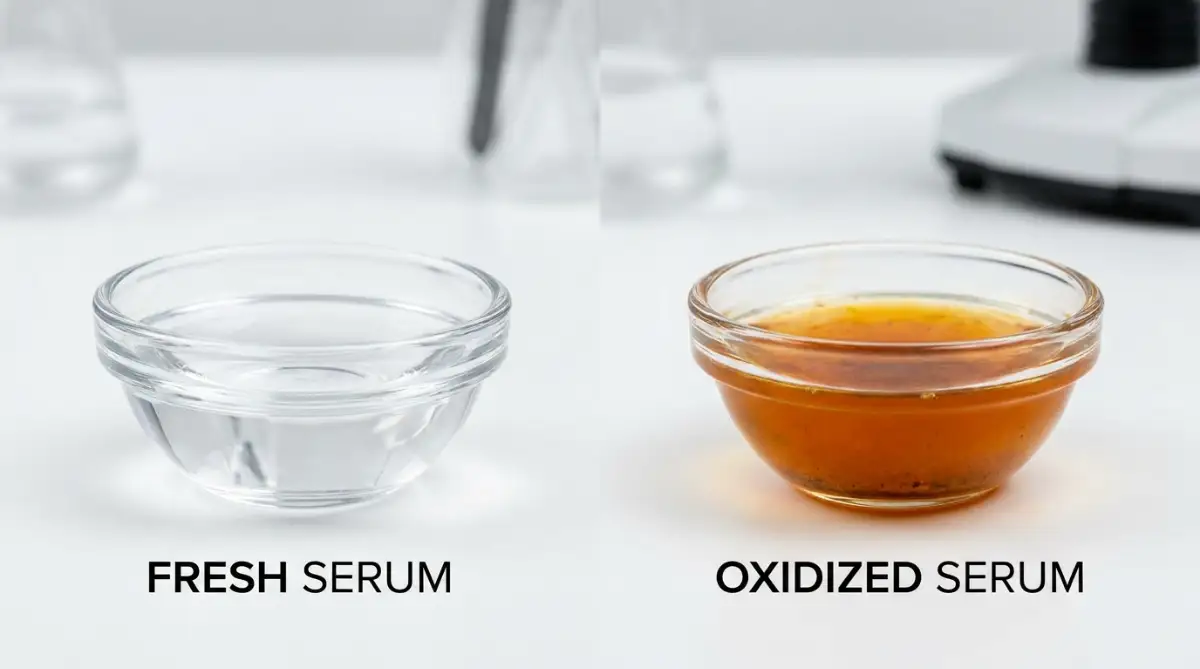
Your Path to a Brighter Future
You don’t need a miracle or a doctor’s appointment; you just need to be kind to your skin every single morning. I promise, once you start seeing that natural light return to your face, your whole mood will shift for the better. Take that first small step tomorrow morning—you really are worth the extra few minutes of care.
Radiant skin is not about luck or expensive procedures. It is about building a simple, honest relationship with your skin through the right ingredients. By choosing a stable Vitamin C serum and staying consistent, you are investing in your appearance for the long haul.
Tomorrow’s Action Plan
Start by auditing your current shelf. Toss out any serums that have turned dark or smell off. If you are new to this, purchase a small bottle with a simple ingredient list.
Tomorrow morning, wash your face, pat it dry, and apply just a few drops of Vitamin C. Follow it with your favorite moisturizer and—most importantly—your sunscreen. That is all you need to do to begin your journey toward a healthier glow.
A Final Thought from the Expert
You have the power to change how you look and feel by making small, informed decisions. Don't worry about being perfect. Just focus on being consistent. Your skin will thank you for the care you provide today.
Disclaimer: This content is for informational purposes only and does not constitute medical advice. Always consult with a dermatologist or a qualified healthcare provider before introducing new active ingredients into your skincare routine, especially if you have sensitive skin, allergies, or underlying medical conditions.
THANK YOU