
The Silent Frustration Behind Your Daily Skincare Routine
Let’s be honest. You are tired of spending half your paycheck on fancy face washes, only to wake up with another angry red pimple on your chin. You follow every skincare rule in the book, yet your face feels tight, dry, and irritated. The crazy part? Your expensive cleanser isn't the cure—it’s probably the exact thing destroying your skin barrier right now.
The truth is, washing your face seems like the easiest thing in the world. But it is actually a highly delicate process. A simple splash of water and a quick scrub might be doing more harm than good.
Every single day, millions of people unknowingly destroy their skin barrier. They think they are cleaning their pores. In reality, they are setting themselves up for a never-ending cycle of irritation.
TL;DR - The Quick Fixes for a Broken Routine
- Hot water melts your natural skin barrier; switch to lukewarm water today.
- That "squeaky clean" feeling actually means you just damaged your skin's acid mantle.
- Never rub your face dry with a rough bath towel—always pat it gently.
- Washing your face 3-4 times a day forces your skin into a panic, making it overproduce oil.
Why Good Intentions Lead to Bad Skin
You might be wondering why nothing seems to work. The problem is not your skin. The problem is the ocean of misinformation out there.
Here is exactly why people fail to get the clear skin they deserve:
- Following viral internet trends blindly: People copy aggressive scrubbing routines they see on social media, completely ignoring their own unique skin type.
- Believing the "tight" feeling means clean: Many of us were taught that if our skin feels tight and squeaky after washing, it is perfectly clean. Science tells us this actually means your skin is stripped and damaged.
- Trusting heavy marketing over basic biology: We buy heavily fragranced, colorful soaps that smell amazing but secretly disrupt our delicate pH levels.
- Using a one-size-fits-all approach: We borrow products from friends or family members, forgetting that what cures oily skin will destroy dry skin.
The Hidden Mental Toll of Skin Struggles
Bad skin does not just stay on your face. It slowly eats away at your mental peace. When you cannot figure out what is wrong with your routine, it starts to affect your daily life in silent ways.
- Loss of confidence in social settings: You find yourself avoiding eye contact because you are worried people are staring at your acne or red patches.
- The heavy makeup trap: You spend extra hours baking your face in heavy foundations just to hide the damage, which only clogs your pores even more.
- Camera shyness: You start hiding in the back of group photos or turning off your camera during online meetings.
- Financial frustration: You waste hundreds of dollars on "miracle" creams to fix the redness, not realizing your basic washing habit is the root cause.
Once you learn the actual science behind cleansing, everything changes. You can easily fix these issues starting tonight.

Mastering the Basics: The Ultimate Guide to Proper Cleansing
We are going to break down the most damaging habits you might be doing right now. You do not need expensive tools to get this right. You just need the right knowledge.
Let's look at the scientific and practical ways to wash your face correctly. We will explore how to protect your skin barrier so you can finally achieve that healthy, natural glow.
Mistake 1: Using the Wrong Water Temperature (The Burn Effect)
Think about how you wash a greasy frying pan. You use boiling hot water to melt the grease away, right? Now, imagine treating your delicate facial skin the exact same way.
This is one of the most common errors I see people making. Taking a steaming hot shower and letting the water blast directly onto your face feels amazing. It relaxes your muscles. But it is a complete disaster for your skin health.
Hot water instantly melts away your natural sebum. Sebum is the protective layer of oil your body produces to keep moisture inside and keep bacteria outside.
When you strip that oil away with hot water, your skin goes into a panic mode.
The Scientific Reality Check:
Your skin needs a specific balance of water and oil. When hot water removes this barrier, dry skin becomes severely flaky and irritated. On the other hand, if you have oily skin, your glands will actually overproduce oil to compensate for the sudden dryness.
This means washing with hot water will make dry skin drier, and oily skin oilier. It is a lose-lose situation.
Your Action Plan for Today:
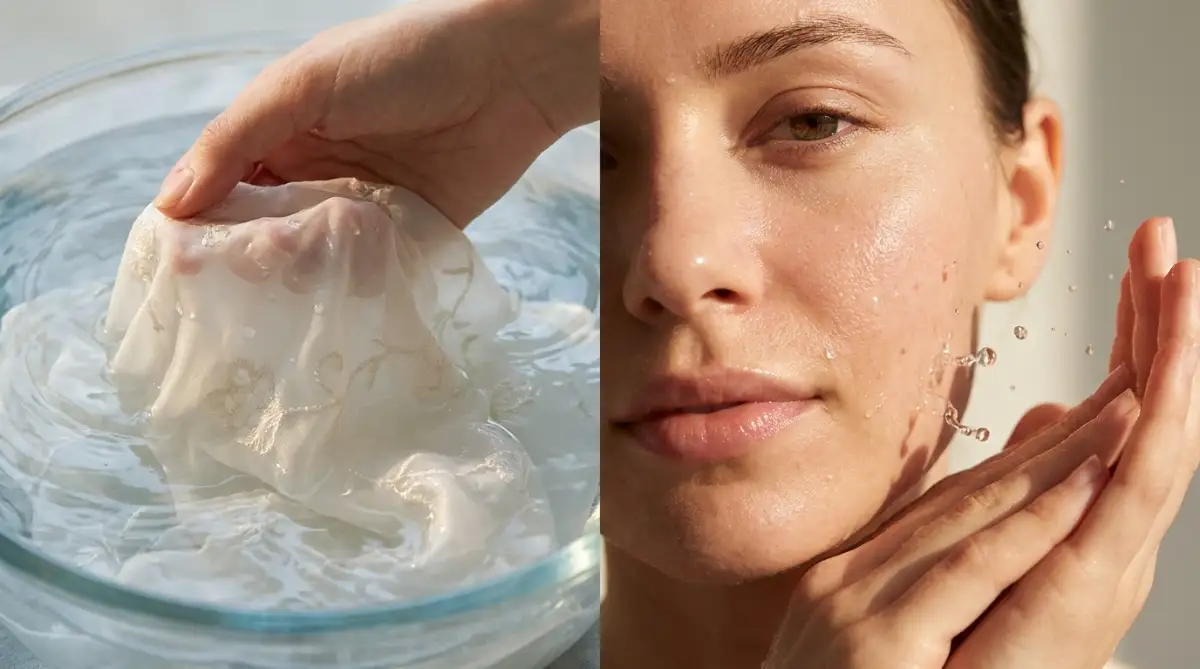
Switch to lukewarm water immediately. Lukewarm water is slightly warm to the touch, almost matching your natural body temperature. It is warm enough to loosen dirt and makeup without melting your protective oils.
Real-Life Scenario: Imagine washing a very expensive, delicate silk shirt. You would never throw it into a boiling hot washing machine cycle. You would use cool or lukewarm water to protect the fabric. Your face is much more delicate than silk. Treat it with the same respect.
Mistake 2: Chasing the "Squeaky Clean" Illusion
Have you ever washed your face, dried it off, and felt your skin pull tightly as you smiled? Many people love this feeling. They think, "Wow, my pores are finally empty!"
Let me be very clear about this. If your skin feels tight, squeaky, or like a stretched rubber band after washing, your cleanser is way too harsh.
Your skin naturally has a slightly acidic pH level, usually sitting around 5.5. This acid mantle keeps acne-causing bacteria away. Many popular foaming cleansers and traditional bar soaps are highly alkaline. Their pH levels can be as high as 9 or 10.
What Happens When You Use Harsh Soaps?
Using a highly alkaline soap on an acidic face is like pouring bleach on a beautiful garden. It wipes out everything. It kills the bad bacteria, but it also destroys the good bacteria that keep your skin healthy.
This creates tiny, invisible cracks in your skin barrier. Moisture escapes through these cracks throughout the day. Environmental pollution and allergens enter through these cracks.
The result? Unexplained redness, sudden allergic reactions to products you used to love, and painful cystic acne.
Skincare Myth vs. Scientific Fact
- The Myth: If a cleanser creates a thick, rich foam, it means it is cleaning your pores better.
- The Fact: Big bubbles usually mean the product contains harsh sulfates (like SLS). These chemical agents completely strip away your natural oils. A low-lather or milky cleanser actually protects your pH balance while doing the exact same job of removing dirt.
How to Choose the Right Cleanser:
You need a cleanser that respects your skin biology. Look for words like "gentle," "pH-balanced," or "hydrating" on the label.
If you have dry skin, try a creamy or milky cleanser. It will wash away daily grime while leaving a soft layer of hydration behind. If you have oily skin, a mild gel cleanser will do the trick without aggressive foaming agents like sulfates.
Pro Tip: Try the 60-Second Rule. Instead of violently scrubbing a harsh soap for 10 seconds, take a mild cleanser and gently massage it into your skin for a full 60 seconds. This gives the gentle ingredients enough time to break down sunscreen and pollution naturally.
Mistake 3: The Aggressive Towel Attack
You have just finished washing your face with lukewarm water and a gentle cleanser. You are doing great. Then, you grab a bath towel and scrub it up and down your face to dry off.
In just three seconds, you have undone all your hard work.
Standard bath towels are rough. Their fibers are designed to absorb heavy water from your body. When you rub them against your delicate facial skin, it acts like physical sandpaper.
This aggressive rubbing causes micro-tears. Micro-tears are microscopic cuts on the surface of your skin. You cannot see them with your naked eye, but your skin definitely feels them.
The Hidden Bacteria Trap:
To make matters worse, most people use the same towel they use for their body to dry their face. Even worse, they leave this damp towel hanging in a warm, humid bathroom for days.
A damp bathroom towel is the ultimate breeding ground for bacteria and mold. When you rub that towel on your fresh, clean pores, you are basically rubbing yesterday's bacteria directly into today's clean skin.
The Proper Drying Technique:
The fix here is incredibly simple and costs almost nothing. Stop rubbing completely. Instead, use a patting motion.
Gently press the towel against your skin to absorb the excess water. You do not even need to dry your face completely. Leaving your skin slightly damp is actually a massive advantage for the next step in your routine. Serums and moisturizers absorb much better on damp skin.
Real-Life Analogy: Think of your skin like a dry sponge. If you put a drop of thick soap on a bone-dry sponge, it just sits on top. But if the sponge is slightly damp, it absorbs the soap immediately. Your skin works the exact same way.

Quick Comparison: Healthy vs. Damaged Skin Barrier
To help you understand if your current washing habits are causing damage, let's look at a quick comparison.
If you relate more to the right side of this table, do not panic. The amazing thing about the human body is that it can heal itself. By simply changing how you wash your face today, your skin barrier can repair itself in just a few weeks.
Mistake 4: Over-Washing Your Face
More is not always better. In our quest for perfect hygiene, many of us develop a habit of washing our faces three or four times a day.
You might wash it in the morning, after a quick walk, after the gym, and again before bed. While hygiene is wonderful, over washing is a silent killer for your complexion.
Every time you wash your face, even with the gentlest cleanser in the world, you reset your skin's natural environment. Your skin has to work hard to re-balance its moisture levels.
If you force it to reset four times a day, it eventually gives up. The skin barrier becomes weak, tired, and easily compromised.
Finding Your Perfect Rhythm:
For the vast majority of people, washing twice a day is the absolute maximum. Once in the morning and once at night.
In fact, many top dermatologists now recommend skipping the morning cleanser entirely if you have dry or sensitive skin. Since you already did a thorough clean before bed, your face only touched a clean pillowcase overnight.
A simple splash of lukewarm water in the morning is often enough to wake you up and prep your skin for sunscreen. Save the actual cleanser for your nighttime routine, when you need to remove the heavy buildup of sweat, sunscreen, and pollution from the day.
Expert Insight: If you go to the gym in the middle of the day, do not do a full skincare routine afterward. Just splash some water on your face or use a very mild micellar water on a cotton pad to remove the sweat. Keep it simple and let your skin rest.
Beyond the Basics: Professional Secrets for Glowing Skin
Now that you know why water temperature and gentle soap matter, let's look at some advanced habits. These are the small changes that make a huge difference in how your skin looks over time.
Most people just splash water and leave. But if you want that celebrity glow, you need to think like a skincare expert.
The Game-Changing Double Cleanse Method
Have you ever noticed that your face still feels a bit dirty even after washing? Or maybe you see foundation stains on your towel?
This happens because standard cleansers cannot always break down heavy sunscreen or waterproof makeup. This is where the "Double Cleanse" comes in.
First, you use an oil-based cleanser or a simple cleansing balm on dry skin. Oil attracts oil. This first step melts away the greasy sunscreen and makeup sitting on your surface.
Once you rinse that off, you follow up with your regular gentle water-based cleanser. This second step actually cleans your skin and pores.
This method ensures nothing is left behind to clog your pores. Before you start this, it is very helpful to spend time discovering your skin type at home so you pick the right oil-based product.
Quick Cheat Sheet: Picking Your First Step (Oil Cleanser)
Not sure which oil matches your face? Keep this simple guide handy:
- Oily or Acne-Prone Skin: Go for Jojoba Oil. It closely matches your natural sebum and tricks your body into producing less oil.
- Dry or Flaky Skin: Look for Squalane or Olive Oil. These are heavy hitters that lock in deep hydration.
- Highly Sensitive Skin: Stick to Sunflower Seed Oil. It has a very low chance of causing redness or allergic reactions.
Why Clean Hands are Your Skin’s Best Friend
This sounds so simple, but almost everyone forgets it. We touch our phones, doorknobs, and keyboards all day long.
Our hands are covered in bacteria that we cannot see. If you jump straight into washing your face, you are just rubbing those germs into your open pores.
Always wash your hands with antibacterial soap for 20 seconds before you touch your face. You want your hands to be a clean tool, not a source of more breakouts.
Think of it like a doctor preparing for surgery. They don't just start working; they clean their tools first. Your hands are your primary tools for skincare.
The 60-Second Massage Secret
Most people spend about 5 to 10 seconds washing their face. That is barely enough time for the ingredients to start working.
Try the 60-second rule. Use your fingertips to massage the cleanser into your skin in small, circular motions for one full minute.
Focus on areas where you get oily, like your nose and forehead. This massage also boosts blood flow to your face.
More blood flow means more oxygen reaching your skin cells. This naturally makes your face look brighter and more alive without needing extra products.
How to Maintain Long-Term Results
Good skin is not about one perfect day of washing. It is about what you do every morning and every night for months.
To keep your skin healthy long-term, you must listen to it. If your skin feels extra dry one day, maybe skip the cleanser and just use water.
If you have been out in the dusty city all day, definitely do a double cleanse. Your routine should be a living thing that changes based on your environment.
Many people find that they see better results when they simplify their mornings with a minimalist guide. Keeping things simple makes it easier to stay consistent every single day.

Hidden Dangers: Mistakes That Are Secretly Aging You
Even with the best intentions, some habits are quietly damaging your skin barrier. Let's look at the pitfalls that can cause long-term redness and wrinkles.
If you avoid these common traps, you will be ahead of 90% of other people.
Using Facial Wipes as a Permanent Solution
Facial wipes are convenient, especially after a long night. But they are not a replacement for washing your face.
Most wipes are full of strong preservatives and alcohol to keep them moist in the package. These chemicals stay on your skin and cause irritation.
Also, wipes don't actually remove dirt. They mostly just smear the dirt and makeup around your face.
If you must use a wipe, always rinse your face with water afterward. Never let that chemical residue sit on your skin all night long.
Over-Exfoliating Your Delicate Surface
We are told that scrubbing away dead skin is good. While that is true, doing it too often is a disaster.
If you use a rough scrub every day, you are creating tiny tears in your skin. This makes your face look red and feel very sensitive to the sun.
According to the American Academy of Dermatology, you should be very gentle and avoid scrubbing too hard. Your skin naturally replaces itself; it just needs a little help, not a heavy sanding.
Try to limit physical scrubs to once or twice a week. Or better yet, switch to very mild chemical exfoliants like lactic acid that dissolve dead cells without rubbing.
Forgetting the Jawline and Hairline
When we wash our face, we usually focus on the cheeks and forehead. But the jawline and hairline are where makeup and sweat often hide.
If you see breakouts along your jaw, it might be because you aren't rinsing that area properly. Soap suds can get trapped there and cause itchy bumps.
Make sure you pull your hair back and wash all the way to the edges. This small step can clear up "mystery" acne that has been bothering you for years.
Using Too Many New Products at Once
When your skin looks bad, it is tempting to buy five new products and use them all at once. This is a huge mistake.
Your skin needs time to adjust to new ingredients. If you have a reaction, you won't know which product caused it.
Introduce one new thing every two weeks. This way, your skin stays calm and you stay in control.
Once your skin is clean and calm, you can start adding targeted treatments. For example, many people love the radiant effects of Vitamin C for brightening, but you should only add it after your basic washing routine is perfect.
Neglecting the Neck and Chest
Your face doesn't end at your chin. The skin on your neck and chest is very thin and shows age quickly.
Always bring your cleanser and your moisturizer down to your neck. Treat this area with the same care you give your face.
If you only wash your face, you will eventually notice a big difference in how the skin on your neck looks compared to your cheeks. Start protecting it now to prevent future sagging or sun spots.
Your New Daily Action Plan for Glowing Skin
You now have all the tools you need to fix your face-washing routine. It doesn't have to be complicated or expensive to be effective.
Remember, the goal is to work with your skin, not against it. Be gentle, be consistent, and be patient.
A Quick Checklist for Tonight:
- Wash your hands first with soap and water.
- Use lukewarm water, never hot or ice cold.
- Massage a gentle, pH-balanced cleanser for 60 seconds.
- Rinse thoroughly, especially around your hairline.
- Gently pat dry with a clean, soft towel.
- Apply moisturizer while your skin is still slightly damp.
This simple routine can change your life. You will notice that your skin feels less tight and looks more even within just a few days.
Don't wait for a special occasion to start taking care of yourself. Your skin is the largest organ in your body, and it deserves your love and attention every single day.
You deserve to look in the mirror and feel proud of the healthy, glowing face looking back at you. Start tonight, and your future self will thank you for the extra care.
Disclaimer: The information provided in this blog post is for educational purposes only and should not be taken as professional medical advice. Always consult with a qualified dermatologist or skin specialist before starting a new skincare routine, especially if you have pre-existing skin conditions or allergies. Every individual's skin is unique, and results may vary based on your specific skin type and environment.
THANK YOIU