The Hidden Financial Shock of Switching to Electric
You finally ditch the gas pump, thinking your wallet is safe forever. I thought the exact same thing when I brought my first electric car home. But right after the new-car smell faded, a weird mix of massive electric bills and hidden repair fees hit me hard. Before you make the jump, let us look at the actual price tag of going electric that dealerships never want to talk about.
Many drivers face this exact same frustrating reality every single day. We get swept up in the excitement of instant torque and zero tailpipe emissions. But when the dust settles, the financial anxiety creeps in.
What You Need to Know Before Buying:
- Home Charging Trap: Setting up a proper wall charger can easily cost over a thousand dollars in unexpected electrician fees.
- The Insurance Jump: EV repair costs are high, meaning your monthly insurance premium will likely go up.
- Hidden Tire Tax: You will replace your tires much faster due to the heavy battery weight and instant power.
- Time Your Charge: Plugging your car in during the day can double your electric bill compared to charging at midnight.
Decoding the True Price Tag of Electric Driving
Figuring out the real cost of owning an electric vehicle does not require an advanced math degree. You just need to know exactly where to look for the hidden expenses that dealerships rarely mention.
Most buyers make the mistake of stopping their budget planning right after negotiating the purchase price. We have to look much deeper into the entire lifecycle of the car. Let's break down the actual financial mechanics of EV ownership so you never get caught off guard.
The Initial Out-of-Pocket Reality
The very first number you deal with is the purchase price, but that is just the tip of the iceberg. Electric vehicles often carry a heavier upfront price tag compared to their gas-powered cousins.
You have to look at the Manufacturer's Suggested Retail Price (MSRP) and add in destination charges, dealership fees, and local taxes. However, you also get to subtract potential government tax incentives and local rebates.
These rebates act as massive financial cushions, but they rarely apply directly at the cash register. You usually have to float that money until tax season rolls around. It is highly recommended to speak with a tax professional to ensure you actually qualify for the full amount based on your income.
Myth vs Reality: The Sticker Price Illusion
Powering Up Your Ride: The Real Cost of Electricity
This is where the math gets genuinely interesting and highly personalized. To figure out your daily "fuel" costs, you need to understand how much you pay for electricity at home.
Grab your latest utility bill and find your exact cost per Kilowatt-hour (kWh). Think of a kWh just like a gallon of gas; it is the standard unit of energy your car consumes.
Most modern EVs can travel about 3 to 4 miles on a single kWh of energy. If you pay 15 cents per kWh, driving 30 miles will roughly cost you about $1.50 in electricity.
When you compare that to paying four dollars for a gallon of gas to go the exact same distance, the savings become very clear. But here is where many new owners make a massive budgeting mistake. They completely forget about Time-of-Use (TOU) rates imposed by utility companies.
If you plug your car in right when you get home from work during peak evening hours, you might be paying double the normal electricity rate. Charging your battery at midnight when demand is low is the secret to maximizing your savings.
I learned this lesson the hard way during my first month of ownership. I kept plugging my car in at 6 PM every evening, completely ignoring the peak pricing window. My electric bill practically doubled, and I felt completely foolish until I simply set my car's internal computer to start charging at 1 AM.
Ready to see a real-world cost breakdown? Watch this insightful visual guide before we move to the next step!
Setting Up Your Home Charging Station
You cannot rely on the standard 120-volt wall outlet in your garage unless you barely drive. Those basic outlets only add about three miles of range per hour of charging.
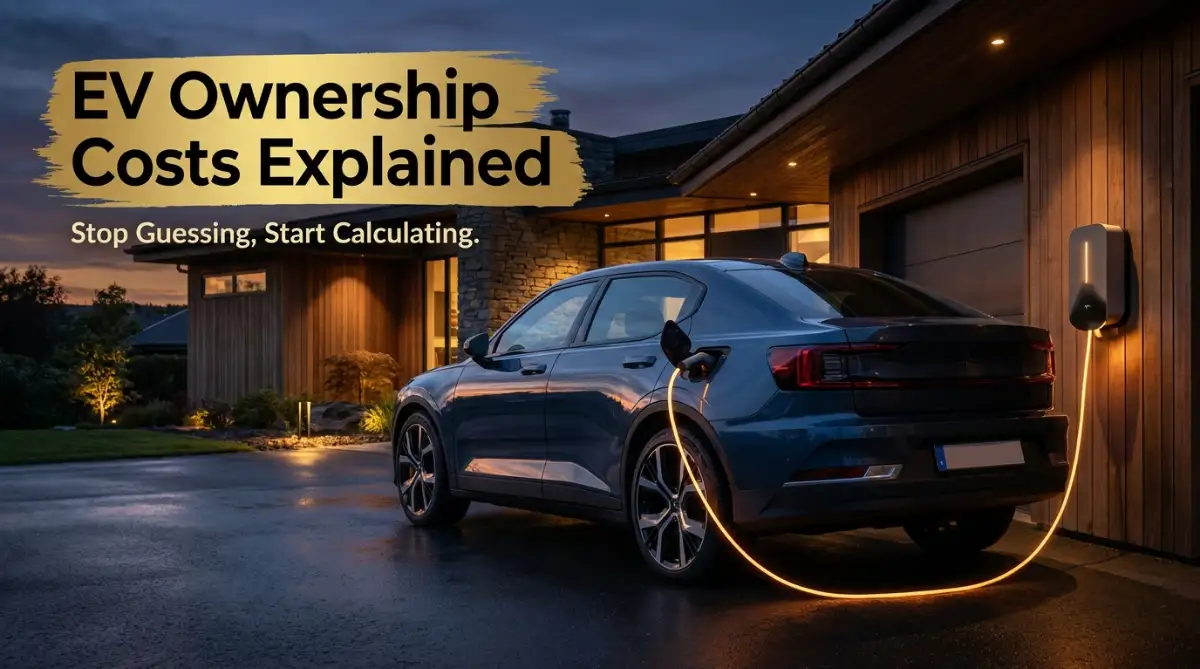
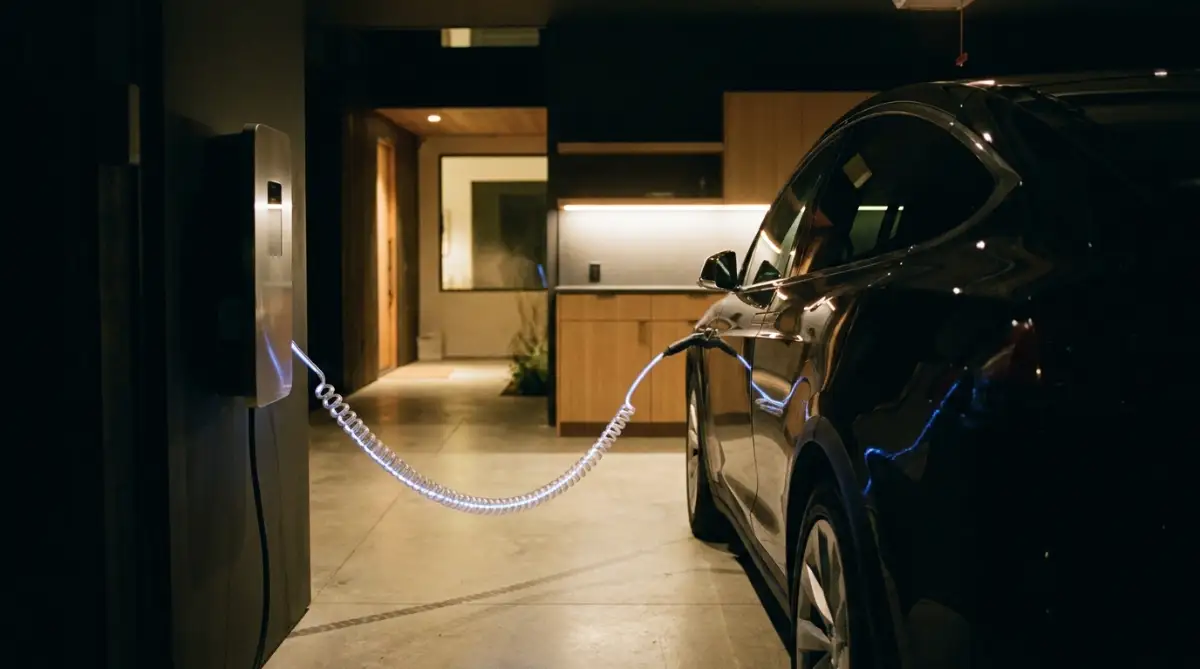
If you want a full battery every morning, you must invest in a Level 2 charging station. This equipment runs on a 240-volt circuit, exactly like your heavy-duty electric clothes dryer.
The charging unit itself usually costs a few hundred dollars, which sounds perfectly reasonable at first. The hidden shock comes when you hire a licensed electrician to run thick copper wiring across your house.
If your home's main electrical panel is old or already maxed out, you might need a complete panel upgrade. A simple charger installation can suddenly turn into a massive home improvement project costing thousands of dollars. You absolutely must get at least three quotes from different electricians before buying the car.
The Hidden Insurance Premium Bump
One of the most surprising elements of the Total Cost of Ownership is your monthly auto insurance premium. Many drivers assume their rates will stay exactly the same when they trade in their old gas car.
In reality, electric vehicles often cost significantly more to insure. The main reason is simply that EVs are incredibly expensive to repair if you get into an accident.
The massive battery pack runs along the entire floor of the vehicle, making it highly vulnerable in side-impact crashes. If that battery gets even slightly dented, insurance companies often total the entire car because a replacement battery is insanely expensive.
Furthermore, you cannot just take a damaged EV to the cheap corner mechanic shop down the street. They require specialized auto body shops with highly trained, high-voltage certified technicians.
These specialized mechanics charge premium labor rates, which directly drives up the cost of insurance claims. To calculate this accurately, you must call your insurance agent with the specific Vehicle Identification Number (VIN) of the EV you want to buy. Do not rely on wild guesses or online average calculators.
Routine Maintenance: Less Oil, More Rubber
Electric cars are famous for having very few moving parts compared to an internal combustion engine. You will never again have to pay for an oil change, a timing belt replacement, or new spark plugs.
This creates a massive reduction in your annual maintenance budget. However, there is one specific consumable item that EVs eat through surprisingly fast: tires.
Electric cars are incredibly heavy due to the massive weight of the lithium-ion battery packs. They also deliver instant torque, which means the tires grip the road violently every time you press the accelerator.
This combination of heavy weight and instant power causes tire tread to wear out about twenty percent faster than normal. When you are planning your total cost of ownership budget, you need to factor in buying a new set of premium tires more frequently.
You also need to account for minor expenses like cabin air filters and windshield wiper fluid. Interestingly, your brake pads will last incredibly long thanks to regenerative braking. The electric motor does most of the stopping for you, saving your physical brakes from regular wear and tear.

Long-Term Battery Health and Depreciation
The biggest dark cloud hanging over any EV budget calculation is the long-term health of the main battery. Like any electronic device, the battery will slowly lose its ability to hold a full charge over many years of use.
Most manufacturers provide a solid warranty covering the battery against extreme degradation for around 100,000 miles. But what happens to the financial value of the car as it approaches the end of that warranty period?
This heavily impacts the depreciation curve, which is a massive chunk of your total ownership cost. As battery technology improves rapidly, older EV models with less range lose their resale value much faster.
If you plan to sell the car after five years, you must research the historical resale value of that specific brand and model. Some popular premium brands hold their value beautifully, while budget-friendly models tend to drop sharply.
Understanding this depreciation helps you calculate exactly how much money you will lose just by holding onto the vehicle. It is a hidden, invisible expense that you only truly feel on the day you try to trade it in.
The Public Charging Network Subscriptions
While home charging is the cheapest option, you will eventually need to use public fast chargers on road trips. Public charging stations operate like independent businesses and they charge a premium for the convenience of speed.
Using a DC Fast Charger on the highway can sometimes cost almost as much as filling up a gas tank. Many charging networks also offer monthly subscription plans that lower the per-minute charging rate.
If you take frequent long road trips, you must calculate these premium public charging fees into your yearly budget. It is not always as cheap as the home electricity math suggests.
Beyond the Basics: Mastering Your Daily Driving Budget
Now that we understand the foundational expenses, it is time to look at the daily habits that quietly drain your wallet. Small changes in how you operate your vehicle can add up to thousands of dollars in savings over a few years. Let us explore some advanced strategies that experienced owners use to keep their budgets completely under control.
One of the smartest things you can do is dive into the advanced settings of your home charging application. You should never just plug your car in and walk away without setting a specific charging limit.
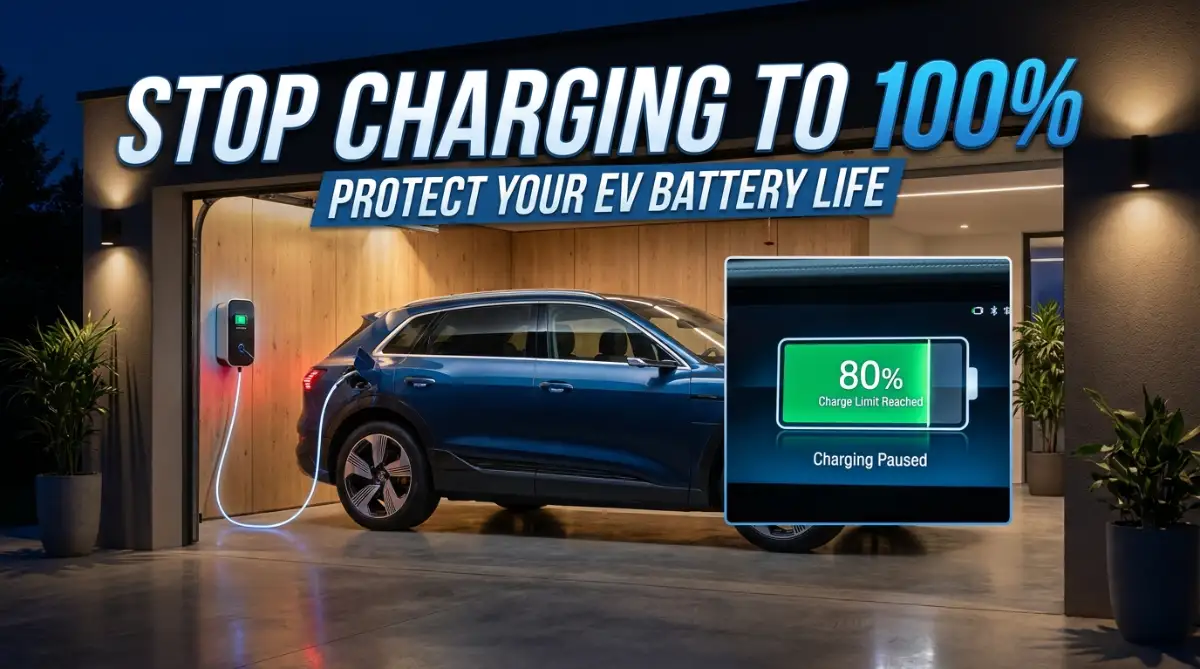
Most experts highly recommend keeping your daily charge capped at eighty percent for regular city driving. Constantly pushing the battery to a full one hundred percent causes unnecessary stress on the internal cells. Understanding this simple trick is essential for managing your long-term battery health and preventing rapid range loss over the lifespan of your car.
You also need to become a master of pre-conditioning your vehicle while it is still plugged into the wall. When you turn on the heater or air conditioning while the car is relying on its own battery, you lose driving range instantly.
Instead, use your smartphone app to warm up or cool down the cabin while the car is still drawing electricity directly from your house. This ensures you start your morning commute with a perfectly comfortable cabin and a fully preserved battery pack.
The Hidden Impact of Your Driving Style
Your right foot has a massive impact on your total cost of ownership, much more than you might think. Electric motors provide instant torque, which makes accelerating away from a green light incredibly fun and addictive.
However, driving aggressively causes your heavy vehicle to chew through expensive tire tread at an alarming rate. It also drastically reduces your overall energy efficiency, forcing you to charge much more frequently. You can easily learn more about calculating precise electric vehicle efficiency metrics by reviewing data from the Department of Energy.
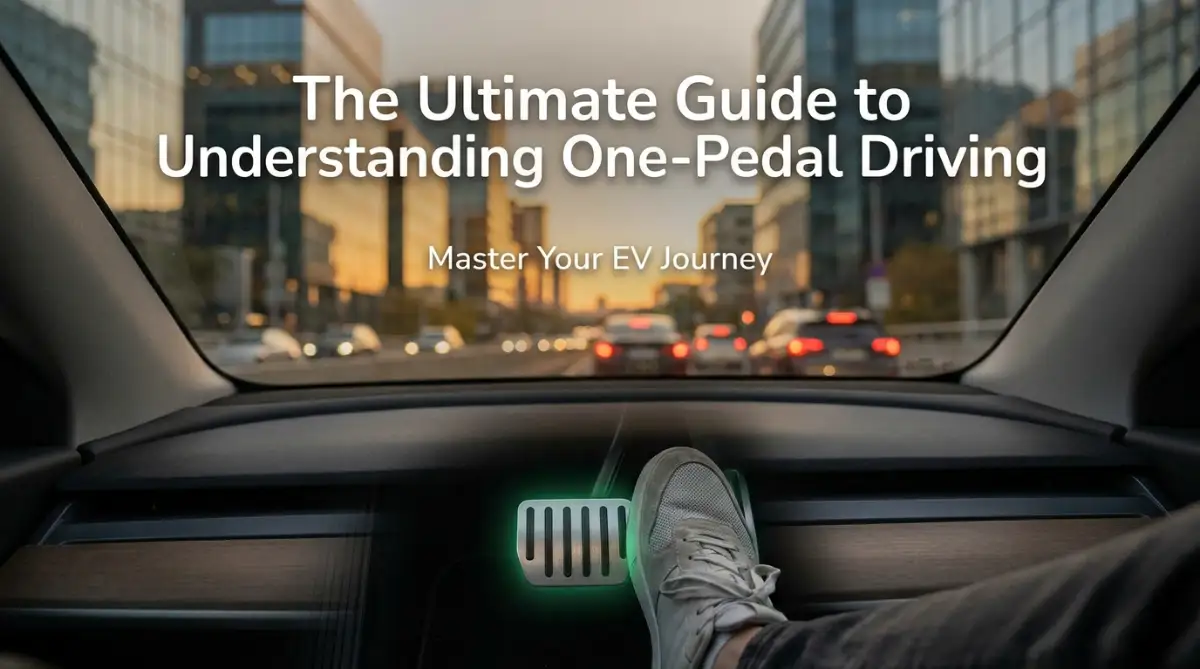
To truly maximize your savings, you must learn to rely heavily on one-pedal driving modes. This system uses the electric motor to slow the car down the moment you lift your foot off the accelerator.
Not only does this capture lost energy and send it back to the battery, but it also saves your physical brake pads from wear. In fact, optimizing how you use regenerative braking is one of the easiest ways to stretch your daily driving budget. I rarely ever touch my brake pedal anymore, which means I might never have to pay for a brake replacement job.
Quick Fact Check: The "EV Tire" Trap
I see so many people buy regular gas-car tires for their EV to save a few bucks. Do not do this. Electric cars need special tires with acoustic foam inside to block road noise, and they must handle a much heavier weight limit. If you use standard tires, your cabin will sound like a wind tunnel and your driving range will drop instantly.
Smart Home Integration and Tariff Hunting
If you are serious about saving money, you cannot ignore your household utility plan. You must proactively call your electricity provider and ask if they offer a specific tariff for electric car owners.
Many progressive energy companies provide massive discounts if you agree to charge your car exclusively during the middle of the night. Some utility providers will even offer you rebates on the hardware if you let them manage your charging times during grid emergencies.
Before you start any electrical work, make sure you know how to properly prepare your garage for an efficient charging setup. Getting the right equipment installed safely is a major part of keeping your home insurance provider happy.
You should also look into smart electric panels that monitor exactly how much power your car is pulling. Having this data right on your smartphone stops you from guessing your monthly fuel costs. It allows you to treat your home electricity like a highly predictable business expense.
Financial Potholes: Where New Owners Lose Their Money
Even with the best intentions, I see eager buyers making the same expensive mistakes over and over again. They get blinded by the shiny new technology and completely forget basic financial logic. Let us walk through the most dangerous pitfalls that can completely ruin your transportation budget.
Paying for Unnecessary Battery Range
This is arguably the most common and most expensive mistake people make at the dealership. Everyone suffers from extreme "range anxiety" when they first consider switching away from gas stations.
Because of this fear, buyers often spend ten thousand dollars extra to get a model with a massive 350-mile battery pack. But when you look at the real data, the average person only drives about forty miles a day. Research clearly shows that understanding actual consumer charging habits reveals how rarely people use their full battery capacity.
You end up paying a massive premium for hundreds of miles of range that you will only use once or twice a year on a road trip. It is actually much cheaper to buy a standard-range car and simply rent a gas-powered SUV for your yearly family vacation.
Do not let your fear of a completely empty battery trick you into financing a much more expensive car than you actually need. Stick to a realistic assessment of your daily commute and weekend errand runs.
Ignoring Local Climate Factors
Your geographical location plays a massive role in how much your car will cost to operate year-round. Electric batteries are extremely sensitive to temperature changes, especially freezing winter conditions.
If you live in a snowy climate, you can expect your daily driving range to drop by as much as thirty percent during the coldest months. This means you will be plugging the car in much more often, driving your winter electricity bills noticeably higher.
Many buyers completely fail to calculate this seasonal drop in efficiency when planning their budget. You will also spend more energy simply keeping the battery pack warm enough to function safely.
Conversely, extreme desert heat forces the car's cooling system to run constantly while parked. This creates a "phantom drain" where your car loses battery percentage just sitting completely idle in your driveway.
The Hidden "Specialty" Tire Trap
I cannot stress enough how much money people lose simply by choosing the wrong replacement tires. Because electric cars are incredibly quiet, they require specially designed tires packed with internal acoustic foam to dampen road noise.
These specialized tires are significantly more expensive than standard rubber meant for gas cars. According to consumer safety groups, replacing specialized electric vehicle tires can sometimes cost nearly double what a regular set costs.
If you try to save money by slapping cheap, standard tires on your heavy battery-powered car, you will ruin your driving experience. The cabin will become incredibly loud on the highway, and your overall range will drop due to poor rolling resistance.
You simply have to accept that premium rubber is a non-negotiable expense in your yearly budget. Always set aside a dedicated tire replacement fund so you are not shocked when the mechanic hands you the bill.
Underestimating the Insurance Hike
I mentioned insurance earlier, but it is a mistake so huge it deserves extra attention here. Many new owners sign their financing paperwork without ever getting a firm quote from their auto insurance provider.
They simply assume their squeaky-clean driving record will guarantee them a low monthly premium. When the actual bill arrives in the mail, they are completely stunned to see their rates jump drastically.
Insurance companies base their rates heavily on the cost of repairing the vehicle after an accident. Because the specialized parts and certified labor are so expensive, the risk is automatically passed down to you.
Always check how different auto insurance variables apply specifically to high-voltage vehicles in your state. A quick ten-minute phone call to your agent before buying the car can save you from a major financial headache. If you are looking for more smart buying guides, you can always browse trusted resources directly on the Digit Shopy homepage for tech and lifestyle advice.
My Personal Pro-Tip for Insurance:
Do not just call your current insurance provider. Call at least three different companies and specifically ask if they offer an "EV Discount" or "Green Vehicle Rate." Some newer insurance companies specialize in electric cars and will quote you a price that is almost fifty percent cheaper than the big traditional companies.

Your Roadmap to Smart Electric Ownership
Navigating the financial side of modern transportation does not have to feel like a high-stakes guessing game. You simply need to shift your mindset away from looking only at the monthly car payment.
A smart buyer maps out the entire journey, from the installation of the home charger to the eventual trade-in day. When you take the time to run the actual numbers, the decision becomes incredibly clear and logical.
Instead of getting frustrated by the hidden fees, you can use this knowledge to negotiate better deals and choose the perfect model. You now hold the power to outsmart the confusing sales tactics and build a budget that actually works for your family.
Take a weekend to sit down with your utility bills, call your insurance agent, and measure your exact daily commute. Once you put all these realistic numbers on a piece of paper, the mystery completely disappears.
I know making this transition can feel incredibly overwhelming at first glance. But taking control of these exact calculations completely changed how I feel every time I get behind the wheel. You absolutely have what it takes to make a confident, financially secure decision for your next car.
Whenever friends ride in my car, they always ask me the same handful of questions about how much it really costs. Let me quickly answer the most common things people wonder about before making the switch.
Common Questions About Electric Car Ownership Costs
Do electric cars actually save you money every month?
Yes, they generally save you a significant amount on daily fuel and routine maintenance compared to a gas vehicle. However, these monthly savings can quickly be wiped out if your initial purchase price and insurance premiums are far too high. You must balance the low running costs against the higher upfront investment.
How much does a home charger add to my electric bill?
This depends entirely on your local utility rates and how many miles you drive each week. For an average driver covering about a thousand miles a month, you might see your home electricity bill rise by thirty to fifty dollars. Charging during off-peak night hours is the best way to keep this number as low as possible.
Are the main batteries really that expensive to replace?
Yes, a full replacement can easily cost anywhere from ten to twenty thousand dollars depending on the brand. Thankfully, modern battery packs are heavily protected by long-term warranties, usually lasting for eight years or 100,000 miles. Very few owners ever actually pay for a full replacement out of their own pockets.
Why do I need to replace my tires so often?
Electric vehicles carry heavy lithium-ion battery packs, making them much heavier than traditional sedans. This extra weight, combined with the instant, powerful acceleration of electric motors, grinds down the tire tread much faster. Rotating your tires frequently is the best way to extend their lifespan.
Can I just use a regular wall plug for my car?
You absolutely can, but it is known as Level 1 charging and it is incredibly slow. A standard wall outlet will only give you about three to five miles of range for every hour it is plugged in. If you drive more than thirty miles a day, you will definitely want to upgrade to a faster 240-volt home charging station.
Disclaimer: The information provided in this article is for educational and informational purposes only and should not be construed as financial, legal, or tax advice. Vehicle prices, insurance rates, utility costs, and government incentives vary significantly by location and individual circumstances. We strongly recommend consulting with certified financial advisors, tax professionals, and local utility providers before making any major automotive purchasing decisions. We do not accept liability for any financial losses or damages incurred based on the use of this content.