Escaping the Never-Ending Cycle of Bills
I remember sitting on my living room floor late one night, surrounded by torn-open credit card statements. My heart was pounding, and my hands were actually shaking as I tried to calculate the minimum payments. I felt completely trapped by my own financial choices. Taking out a personal loan to merge all those messy debts seemed like the perfect magic trick to save me. I honestly thought I had figured out the ultimate secret to financial freedom.
But I was very wrong about how simple the process would be. That single decision almost pulled me deeper into a financial hole because I did not understand the rules of the game. I ended up making some terrible choices out of pure desperation and fear.
Every single day, ordinary people face this exact same nightmare. You wake up, check your bank app, and feel a heavy knot in your stomach. Your hard-earned money seems to disappear before you even get a chance to enjoy it.
You try your best to keep up with four or five different due dates. The mental exhaustion of tracking so many different balances completely drains your energy and steals your peace of mind. It feels like you are running on a treadmill that keeps speeding up while you are barely breathing.
When a bank offers you a shiny new loan to wipe out those smaller debts, it feels like throwing a life preserver to a drowning person. You just want the phone calls from collectors to stop. You just want one simple, predictable bill every month.
But grabbing that life preserver without checking for leaks is a huge risk. Many people end up paying thousands of extra dollars simply because they rush the process. Let us walk through how you can protect your wallet, keep your sanity, and actually break free from the debt trap.
Smart Strategies for a Clean Financial Slate
Merging your multiple bills into one single payment is a highly effective tool. It simplifies your life and can drop your interest rates significantly. However, you must approach this tool with a clear head and a solid game plan.
Many borrowers fall into hidden traps that benefit the banks much more than they benefit the consumer. If you do not know exactly what to look for, you might accidentally extend your financial struggles for years. We need to look closely at the exact errors people make and how you can easily avoid them.
Treating the Symptom Without Fixing the Root Cause
The single biggest error people make is treating the loan like a magic eraser. They use the borrowed money to pay off their credit cards, and suddenly their card balances show zero. This creates a highly dangerous illusion of sudden wealth and financial safety.
If you do not change the spending habits that created the debt in the first place, you are doomed to repeat the cycle. It is exactly like putting a bucket under a leaking roof without ever patching the actual hole. Eventually, the bucket will overflow again.
Before you even apply for the paperwork, sit down and have an honest conversation with yourself. Track your spending for just two weeks to see where your cash is really going. You will probably find that late-night online shopping or daily expensive coffees are secretly draining your budget.
If you do not fix the overspending, you will soon end up with a large loan payment plus brand-new credit card balances. This double-debt scenario is terrifying and incredibly hard to escape.
My Personal Pro Tip: I learned the hard way that a zero balance on a credit card is an invitation to spend. After I consolidated my debt, I physically froze my favorite credit card in a block of ice in my freezer. It sounds silly, but it forced me to pause and think for hours before making any impulse purchases!
Falling for the "Lower Monthly Payment" Illusion
When you talk to a lender, they will always highlight how low your new monthly payment will be. They know that a low monthly number sounds incredibly comforting to someone who is struggling. But this is a classic psychological trick used in the financial industry.
A lower monthly payment usually means they have stretched the life of the loan out over many years. You might feel relieved right now, but you are quietly agreeing to pay much more over the long haul.
Let us look at a practical, real-life scenario to understand the math. Imagine you owe $10,000 on various cards. You currently pay around $400 a month to clear it in a reasonable time.
A bank offers you a shiny new loan with a payment of just $200 a month! It sounds amazing, right? But what they do not highlight is that you will be paying this $200 for seven years instead of three.
By the time you finally finish paying off that extended balance, you will have handed the bank thousands of dollars in extra interest. Always look at the Total Cost of the Loan, not just the monthly minimum. Do not let temporary monthly relief blind you to massive long-term costs.
Watch This Expert Breakdown on Loan Math
If you want to truly understand how banks calculate these hidden interest charges, you absolutely need to watch this quick video explanation. It will completely change how you view monthly payments!
Closing Old Credit Accounts Immediately
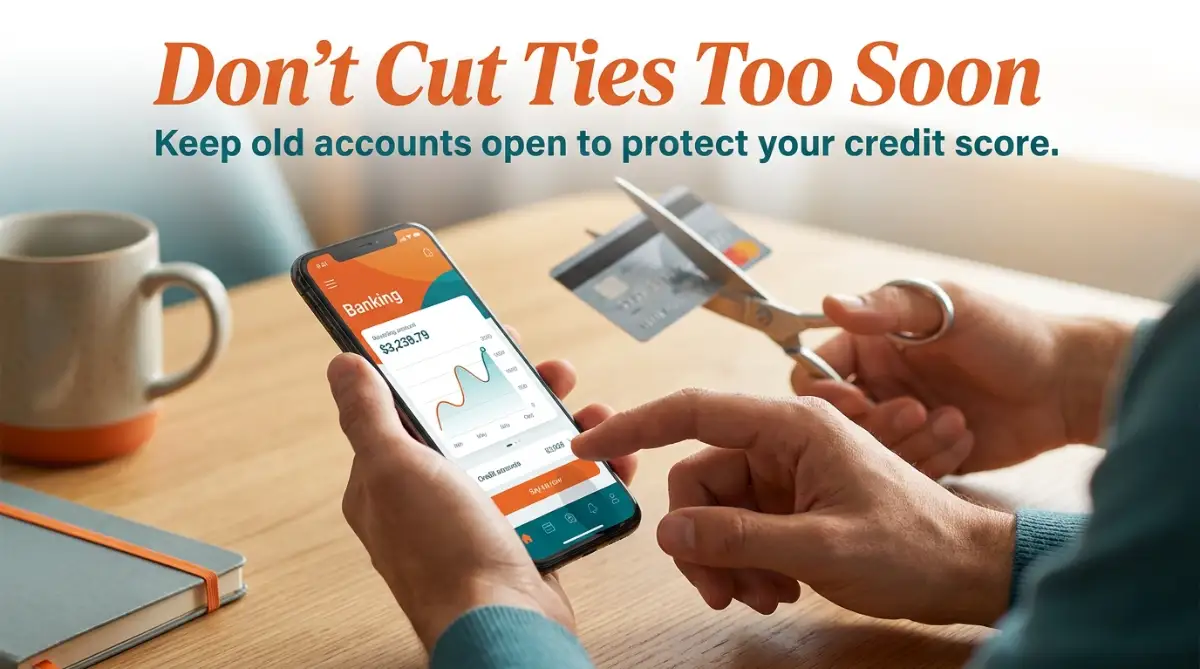
It is totally natural to feel angry at the credit cards that caused you so much stress. The moment the consolidation loan pays them off, you might want to call the bank and cancel those cards forever. You want to cut them up with scissors and be done with them.
Please stop right there and put the scissors down! Closing those old accounts can actually cause severe damage to your credit score.
A massive part of your credit score is based on something called your Credit Utilization Ratio. This simply means how much debt you owe compared to how much total credit you have available. When you have a zero balance on a card but leave the account open, your ratio looks fantastic to lenders.
If you close that account, you suddenly wipe out a huge chunk of your available credit limit. Your ratio spikes upward immediately. This sudden change signals to credit bureaus that you might be a risky borrower.
Another big factor is the age of your credit history. Lenders love to see old, well-managed accounts. If you close your oldest credit card, you are erasing a valuable piece of your financial track record. Instead of closing them, cut up the physical plastic if you must, but leave the actual account open and active.
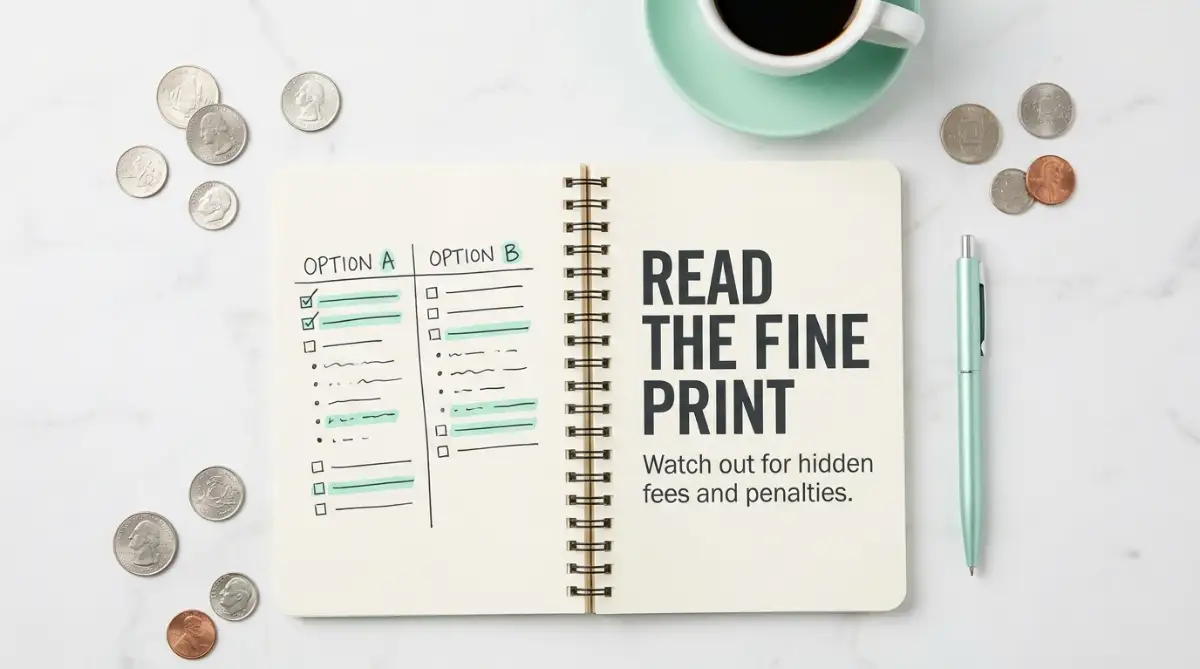
Ignoring Hidden Fees and Penalties
Not all loans are created equal, and the bold print on the advertisement rarely tells the whole story. Many people get so excited about getting approved that they blindly sign the digital paperwork. They completely skip reading the terms and conditions.
This is where banks hide things like Origination Fees. An origination fee is a charge the lender takes simply for processing your application. This fee is often taken directly out of your loan amount before you even see the money.
For example, if you borrow $15,000 to cover your exact debts, an origination fee might be 5%. The bank will quietly deduct $750 and only deposit $14,250 into your account. Suddenly, you are short on the cash you need to pay off your final credit card.
You must ask the lender upfront if there are any processing fees and how they are collected. You might need to borrow a slightly higher amount just to cover the fees.
Another massive trap is the Prepayment Penalty. Let us say you get a bonus at work or a tax refund, and you want to pay off your loan early. Some greedy lenders will actually charge you a hefty fee for paying them back too fast!
They do this because they want to guarantee they collect years of interest from you. Always verify that your contract clearly states there are zero penalties for early repayment.
Failing to Compare Multiple Offers
When you are feeling desperate, the very first approval you get feels like a massive victory. You might accept an offer from the bank you currently use just because it is convenient. You might jump at an offer you got in the mail without a second thought.
This is a terrible mistake that can cost you dearly. The financial market is highly competitive, and different institutions have vastly different rules.
You should always shop around as if you are buying a car. Check with your local credit unions, because they are non-profit and often offer significantly better rates than big commercial banks. Look into reputable online lenders who have lower overhead costs and can pass the savings to you.
Many people worry that checking different lenders will ruin their credit score. This is a common myth that keeps people locked into bad deals.
Most modern lenders use a "soft pull" to show you your estimated rates. A soft pull does not affect your credit score at all. You can literally check your rates with five different companies in one afternoon without any negative impact.
Borrowing More Than You Actually Need
Lenders are salespeople, and their main product is debt. When you apply for a specific amount, they will often try to upsell you. They might say, "Good news! You qualify for $25,000 instead of the $15,000 you asked for."
They will suggest you use the extra cash for a fun vacation or some home repairs. It sounds incredibly tempting when the money is dangling right in front of you.
You must stay disciplined and stick strictly to your original plan. Every extra dollar you borrow is a dollar you have to pay back with interest. Taking extra money completely defeats the purpose of trying to get out of debt.
Write down the exact payoff amounts for your current debts before you start applying. Calculate the total down to the very last penny. Ask for that specific number, plus any small amount needed for known origination fees.
If the lender pushes you to take more, firmly decline the offer. Your future self will be incredibly thankful that you did not add unnecessary baggage to your financial journey.
Forgetting to Set Up Automatic Payments
Once the loan is finalized and the old debts are cleared, you might feel a huge sense of relief. You take a deep breath and finally relax for the first time in months. But the journey is not over yet.
You now have a new, very important payment to make every single month. If you are used to juggling multiple due dates, your brain might easily forget this new schedule. Missing a payment on a brand-new consolidation loan is a massive disaster.
A single late payment can severely damage your credit score. It can also trigger nasty late fees that eat into your monthly budget. Some loan contracts even have clauses that increase your interest rate if you default on a payment.
The smartest thing you can do is set up automatic payments on the exact day you sign the paperwork. Sync the payment date with the days you normally receive your paycheck from work. This ensures the money leaves your account before you ever have a chance to spend it.
The Danger of Secured Consolidation Loans
Sometimes, if your credit score is struggling, lenders will offer you a "secured" loan. This means you have to promise them an asset to guarantee you will pay them back. Often, they will ask you to use your car or even your house as collateral.
They will promise you a wonderfully low interest rate in exchange for this security. While the lower rate is tempting, the risk you are taking is astronomically high.
Credit card debt is known as "unsecured" debt. If you fail to pay a credit card, your credit score tanks and you get sent to collections. It is terrible, but you still have a roof over your head.
If you use your home as collateral for a secured loan and lose your job, the bank can legally take your house. You are effectively trading a manageable problem for a potentially life-ruining catastrophe. Never risk your home or primary transportation just to pay off credit card bills. Always stick to unsecured personal loans, even if the interest rate is slightly higher.
Protecting your most valuable assets should always be your number one priority in any financial strategy. Your peace of mind is worth far more than a slightly cheaper monthly payment.
Advanced Financial Blueprints for Long-Term Success
Getting approved for a new loan is not the finish line of your financial journey. It is actually just the starting line of a completely new chapter in your life. If you want to stay out of the debt trap forever, you have to completely upgrade how you handle your daily cash.
The most powerful secret to keeping your balances at zero is understanding your own mind. We often spend money because of emotional triggers, not because we actually need things. According to highly trusted psychological studies on spending habits, people often swipe their credit cards simply because they feel stressed, tired, or bored.
You need to identify what exactly pushes you to spend blindly. Are you shopping online late at night because you had a bad day at work? Are you buying expensive lunches because you are too exhausted to cook? Once you figure out your personal triggers, you can build a solid defense against them.
One of the smartest moves you can make today is switching to a strict cash-only diet for your daily expenses. Leave your debit and credit cards safely hidden in a drawer at home. When you go to the grocery store, only take the exact amount of physical cash you plan to spend.
Handing over physical paper money actually registers as a "loss" in the human brain. This simple physical act naturally forces you to spend less and think harder about every single purchase. It is a highly effective way to retrain your brain after years of mindless plastic swiping.
Another massive secret of successful people is building a tiny financial safety net immediately. You might think you should put every single spare penny toward your new monthly loan payment. However, having absolutely zero cash in your bank account is incredibly dangerous.
If your car suddenly gets a flat tire or your phone screen shatters, how will you pay for the repair? Without a cash buffer, you will be forced to pull out those old credit cards again. This completely ruins the entire purpose of merging your debts in the first place.
You should aim to save a small emergency fund of just $500 to $1,000 as quickly as humanly possible. Keep this money in a completely separate savings account so you are not tempted to touch it. This small cash buffer acts as a sturdy shield between your daily life and new credit card debt.
You also need to become obsessed with tracking your exact financial numbers. You cannot fix a problem if you refuse to look at it honestly. Taking the time for calculating your exact debt to income limits will open your eyes to what you can realistically afford.
Instead of waiting for a monthly statement, check your bank balance every single morning while you drink your coffee. Make it a normal, boring part of your daily routine. This simple five-minute habit takes away the fear and puts you in total control of your money.
The Hidden Traps That Will Wreck Your Progress
Even with the best intentions, borrowers constantly fall into hidden emotional and logical traps. The most devastating mistake is what experts call the "False Sense of Wealth." When the bank finally clears your credit card balances, your credit limits suddenly become available again.
You log into your banking app and see $10,000 of available credit staring back at you. Suddenly, you feel incredibly rich and completely invincible. You start thinking that treating yourself to a nice dinner or a new pair of shoes will not hurt anything.
This is exactly how the double-debt nightmare begins. You slowly start using the old cards while simultaneously trying to pay off the massive new loan. Within six months, you will find yourself drowning in twice as much debt as you originally started with.
To stop this from happening, you must remember that available credit is not your actual money. It is simply a trap waiting for you to make a mistake. If you struggle with temptation, you might want to review government consumer protection advice to keep yourself grounded in reality.
Another dangerous pitfall is failing to understand the exact type of contract you are signing. Many folks blindly sign the paperwork without knowing if their interest rate can randomly change. You need to spend time deciding between a fixed or shifting interest rate before you accept any money.
If you choose a variable rate, your cheap monthly payment could suddenly skyrocket if the national economy shifts. Always demand a fixed-rate agreement so your payment stays exactly the same every single month. Predictability is your absolute best friend when you are trying to recover financially.
Do's and Don'ts of Your New Financial Life
To make things perfectly clear, let us break down a quick survival guide. Following these simple rules can save you thousands of dollars and endless headaches.
DO: Read every single line of the fine print on your contract.
DON'T: Sign any document if you do not understand the fees or penalties.
DO: Leave your old credit card accounts open to protect your credit score.
DON'T: Carry those cards in your wallet where you can easily use them.
DO: Review federal guidelines on managing multiple debts to know your rights as a borrower.
DON'T: Trust aggressive loan officers who pressure you into borrowing more money than you need.
The Danger of Lifestyle Inflation
Let us talk about a very sneaky trap called lifestyle creep. When you successfully combine your bills, your new single payment is usually much lower than the old payments combined. This means you suddenly have extra cash left over in your checking account at the end of the month.
Instead of using this extra money wisely, many people immediately upgrade their lifestyle. They start buying nicer groceries, paying for more streaming services, or taking expensive weekend trips. They completely waste the breathing room they fought so hard to create.
That extra money should not be used to buy a newer car or fancy clothes. You must aggressively redirect that spare cash toward your emergency savings or retirement accounts. If you do not give that money a strict job, it will simply vanish into thin air.
Another frequent mistake is applying for the wrong type of financial product entirely. Before you risk your family's future, spend time learning how an unsecured personal loan functions. You never want to accidentally pledge your car or house to the bank just to get a lower rate.
If you apply for multiple loans rapidly out of panic, lenders will see you as a huge risk. They will assume you are desperate for cash and they will deny your applications instantly. You can easily avoid this embarrassment by sidestepping normal borrowing errors from the very beginning.
Patience is incredibly important during this highly stressful transition period. It took you months or even years to build up this mountain of bills. You cannot expect to completely fix the problem in a single weekend.
Your Roadmap to Becoming Completely Debt-Free
Taking control of your finances is honestly one of the bravest things you can ever do. It requires looking at your past mistakes and refusing to let them define your future. By carefully navigating these common banking traps, you are setting yourself up for incredible peace of mind.
The key is to combine a smart mathematical strategy with a strong change in your daily habits. Remember that the loan itself is merely a tool, not a magical cure for bad spending. You are the only person who can actually change the direction of your financial life.
You need to actively focus on improving your overall personal finance knowledge every single week. Read books, listen to podcasts, and surround yourself with positive information about building wealth. Education is the absolute best armor against predatory banks and sneaky hidden fees.
If you are ever denied a loan, do not panic or feel ashamed. Take a deep breath and research the main reasons financial institutions reject applications. Use that information to clean up your credit report and try again when you are in a stronger position.
Make a promise to yourself today that you will read every contract, question every fee, and protect your credit score. If you stay disciplined and stick to a realistic budget, you will eventually make that final glorious payment.
My Personal Promise to You: I know exactly how scary and overwhelming this process feels right now, but I promise you that it gets better. My own financial mess felt impossible to clean up, but taking things one small step at a time truly changed my life. You have the power to turn this situation around, so take a deep breath and start making smart moves today!
Common Questions About Managing Consolidated Debt
Will combining my debts hurt my credit score immediately?
When a lender pulls your credit report for the application, you will likely see a very tiny drop of a few points. However, this small dip is completely normal and usually temporary. Once you start making consistent, on-time payments, your score will actually grow much stronger over time.
Can I consolidate my debts if my credit score is already very poor?
Yes, you definitely can, but you will probably be offered much higher interest rates. It is highly recommended to check independent banking education resources to find specialized lenders who work with bad credit. Sometimes, joining a local credit union is your best chance for a fair approval.
Should I close all my old accounts once they are completely paid off?
Absolutely not, because closing old accounts actually harms your credit score. Leaving those old credit cards open with a zero balance shows future lenders that you are highly responsible. Just cut up the physical plastic cards so you cannot accidentally use them at the store.
What happens if I miss a payment on my new consolidation loan?
Missing a payment is incredibly dangerous and can trigger expensive late fees instantly. It will also put a severe negative mark on your credit report that lasts for years. Always set up automatic withdrawals from your checking account so you never forget a due date.
Is it better to use a balance transfer credit card instead of a personal loan?
A balance transfer card is wonderful if you can confidently pay off the entire amount before the promotional period ends. However, if the promo period expires, the interest rate usually skyrockets to a massive percentage. A fixed personal loan is generally much safer for long-term, predictable repayment.
Disclaimer: The information provided in this blog post is for educational and informational purposes only and does not constitute professional financial advice. Everyone's financial situation is entirely unique and unpredictable. Please consult with a certified financial advisor or a licensed banking professional before making any major decisions regarding loans, debts, or credit agreements.
THANK YOU