
The Silent Struggle Behind Closed Financial Doors
Have you ever stared at a bank statement and wondered why your balance barely moved despite making all your monthly payments? You are definitely not alone. The way lenders structure our debt is intentionally confusing, often keeping hardworking people stuck in a loop of endless bills. Let's cut through the complicated banking terms today and figure out exactly how your money is being handled, so you can finally stop paying unnecessary interest and take back control of your paycheck.
So many of us walk around carrying this heavy, invisible burden of debt every single day. We swipe our cards for groceries, sign paperwork for a new car, and make our minimum payments, hoping everything will magically work out. But deep down, there is a constant, nagging anxiety that keeps us awake when the house goes quiet.
You might feel a sudden knot in your stomach every time your phone buzzes with a new bank notification. The mental peace you deserve gets replaced by a quiet panic about upcoming due dates and confusing interest charges. This lack of clear understanding traps completely normal, hardworking people in a cycle of endless payments.
But I want you to take a deep breath right now. You are not bad with money, and you are certainly not alone in this fight. The entire banking system is designed to be confusing so you keep paying more than you should.
What You Will Take Away From This Guide:
- How to easily tell the difference between fixed installment loans and flexible revolving credit.
- Why making only the minimum payment on your credit cards secretly drains your wealth.
- Simple, everyday habits to lower your credit utilization and boost your score naturally.
- The most dangerous debt traps to avoid before signing any new bank paperwork.
Breaking Down the Financial Matrix: Your Roadmap to Clarity
To actually beat the system and reclaim your peace of mind, we have to pull back the curtain on how borrowing actually works. The lending industry loves to use complicated jargon to make you feel intimidated. We are going to strip all of that away today and look at the raw truth.
There are basically two main categories of borrowing that control your financial life. Once you understand the DNA of these two systems, you will suddenly see exactly where your money is going. Let's look closely at how these different money machines operate behind the scenes.
The Predictable Path of Closed-End Borrowing
Think of an installment loan like booking a direct flight to a specific destination. You know exactly when you will leave, exactly when you will arrive, and exactly how much the ticket costs. This type of borrowing is structured, predictable, and highly disciplined.
When you take out an installment loan, the bank hands you a single, lump sum of cash upfront. From that very first day, your finish line is clearly drawn in the sand. You agree to pay back that exact amount, plus interest, over a set number of months.
Real-Life Scenario: The Reliable Family Car
Let's imagine you need a safe vehicle to get your kids to school. You borrow $15,000 from your local credit union with a five-year repayment plan. The bank calculates your interest right then and there.
They divide the total amount by 60 months, giving you a fixed monthly payment of maybe $300. Rain or shine, good economy or bad economy, your payment stays exactly at $300. You never have to guess how much is leaving your bank account on the 5th of every month.
This predictability is incredibly helpful for building a stable monthly budget. It removes the stress of surprise bills and allows you to plan your family's future with confidence. Common examples include auto loans, student loans, mortgages, and personal loans used for home renovations.
The Psychological Benefit of a Finish Line
There is a massive mental health benefit to this type of borrowing. Every single time you make that monthly payment, you can literally watch your debt shrink. You are moving closer to total freedom every 30 days.
Because the terms are strictly set, you cannot simply dip back into the loan to get more cash. Once you pay off a portion of the car, you cannot magically use that paid-off amount to buy groceries. The door is closed, which naturally forces you to be disciplined.
Quick Rule of Thumb: When to Lock in an Installment Loan
- Big Ticket Items: Cars, homes, or major medical bills.
- Predictability Needed: If you get easily stressed by changing bills, the fixed monthly payment keeps your budget perfectly safe.
- Debt Consolidation: Paying off three messy credit cards with one fixed personal loan is a massive stress relief.
Flexibility and Danger: The Open-Ended Money Trap
Now, let's look at revolving credit, which operates in a completely different universe. If an installment loan is a direct flight, revolving credit is like having an all-access pass to an expensive amusement park. You can come and go as you please, but every time you go on a ride, it costs you.
With revolving credit, the bank does not hand you a pile of cash upfront. Instead, they give you a spending limit, let's say $5,000. You can spend $50 today, $200 tomorrow, or absolutely nothing for three months straight.
As long as you do not cross that $5,000 boundary, you are free to borrow and repay over and over again. As you pay back what you borrowed, your available limit goes right back up. This constant cycle of spending and replenishing is exactly why it is called "revolving."
I Learned This The Hard Way
I remember when I got my very first credit card, I treated it like free money just sitting in my pocket. I completely ignored the interest rates and just focused on making the tiny minimum payment each month. My big realization came when I saw that my balance wasn't shrinking at all, even though I was paying them every 30 days. That mistake cost me hundreds of extra dollars and taught me that flexible credit requires iron-clad self-control.
Are You Paying The Minimum Payment Trap?
Before we continue, watch this short, eye-opening breakdown that perfectly explains how banks use minimum payments to keep you in debt for decades.
The most common examples of revolving credit are the credit cards sitting in your wallet right now. Home equity lines of credit (HELOCs) and personal lines of credit also fall into this category. They offer incredible convenience for booking hotels, shopping online, or handling sudden emergencies.
However, this extreme flexibility comes with a very dark side if you are not careful. Because there is no fixed finish line, you can technically stay in debt forever. The interest rates on these accounts are usually much higher than standard loans, and they can change at any time.
Side-by-Side: Spotting the True Differences
To make this perfectly clear, we need to compare these two systems side by side. Seeing the contrast will help you make a much smarter choice the next time you need funding. I created this simple breakdown so you can easily spot the differences.
When you look at this table, the choice between the two becomes a matter of purpose. You should never use a credit card to finance a $10,000 kitchen remodel if you plan to pay it off over three years. The high, variable interest rate of the credit card would eat you alive.
Conversely, you would not take out a rigid, five-year personal loan just to buy a new laptop and some groceries. You need to match the tool to the specific job you are trying to accomplish. Using the wrong financial tool is like trying to hammer a nail with a screwdriver; it just creates an absolute mess.
The Hidden Impact on Your Credit Score
Your credit score is essentially your adult report card, and these two types of borrowing affect it differently. Credit bureaus look closely at how you handle both structured debt and flexible debt. Having a mix of both actually shows lenders that you are a well-rounded, responsible borrower.
With installment loans, the magic word is consistency. Making that fixed payment on time, month after month, builds a rock-solid foundation for your credit history. Lenders love seeing that you can commit to a long-term plan and actually see it through to the end.
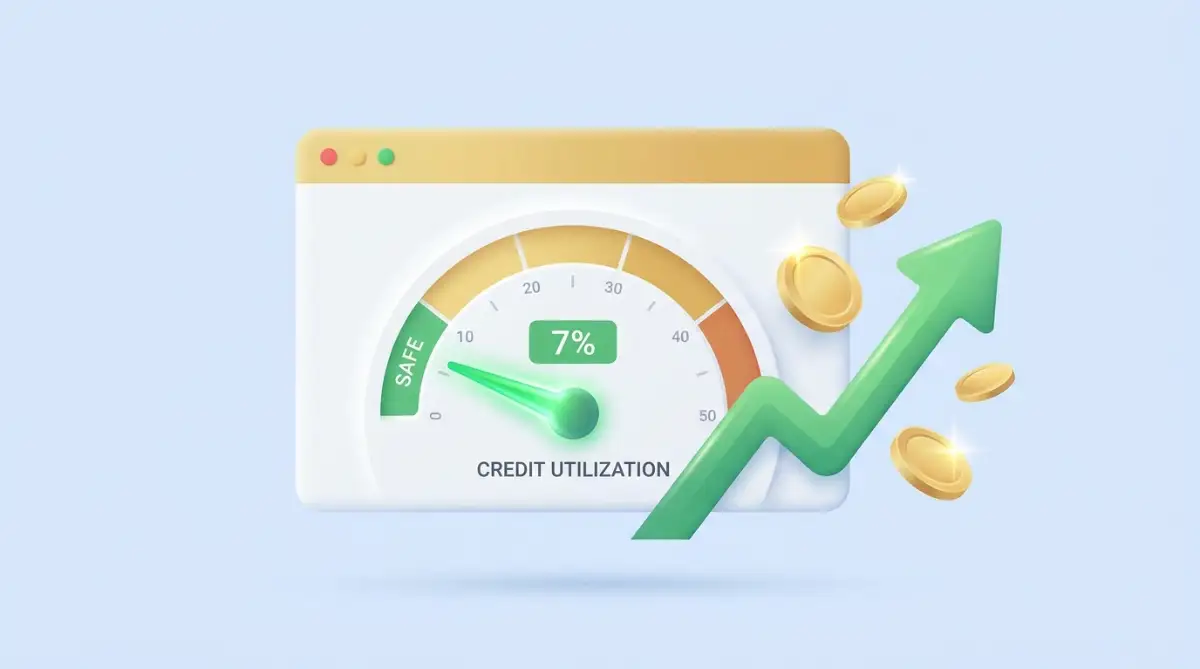
Revolving credit, however, is highly sensitive and impacts your score much faster. The credit bureaus constantly monitor your "credit utilization ratio," which is how much debt you have compared to your limit. If you have a $10,000 limit and you owe $9,000, your score will drop rapidly because you look desperate for cash.
Keeping your revolving balances very low, ideally under 30% of your total limit, acts like rocket fuel for your credit score. If you can pay your credit card off completely at the end of every single month, you get all the benefits of the credit score boost without paying a single penny in interest.
Myth vs Reality: Debunking Common Credit Lies
There is a lot of terrible advice floating around the internet and breakroom tables. People love to share financial myths that sound smart but are actually destroying your wealth. Let's clear the air on a few of the most dangerous lies.
The Myth: You should carry a small balance on your credit card to build your credit score.
The Reality: This is entirely false. Leaving a balance only ensures that you pay unnecessary interest to the bank. You get the exact same positive credit reporting if you pay the balance down to zero every month.
The Myth: Paying off an installment loan early will skyrocket your credit score overnight.
The Reality: Strangely enough, paying off a large loan early might temporarily drop your score by a few points. This happens because an active, positive account is suddenly marked as "closed." However, saving money on interest is always mathematically better than worrying about a tiny, temporary drop in points.
The Myth: Having too many credit cards means you are irresponsible.
The Reality: The number of cards does not matter nearly as much as how you use them. Having multiple cards with zero balances actually lowers your overall utilization ratio, which makes you look highly responsible to future lenders.
How to Choose Your Next Financial Move
Right now, you might be facing a big purchase and wondering which path to take. The decision always comes down to the exact nature of your expense. Ask yourself a few simple questions before you sign any paperwork.
Is this a massive, one-time expense like buying a house, replacing a roof, or consolidating old debt? If the answer is yes, you want the safety and predictability of an installment loan. You want to lock in a low rate and know exactly when the nightmare will end.
Is this an ongoing daily expense, a travel booking, or a small purchase you can pay off in two weeks? Then revolving credit is your best friend. It offers fraud protection, travel points, and incredible convenience, provided you respect the boundaries.
When you align your borrowing strategy with your actual life goals, the heavy anxiety simply melts away. You stop guessing and start directing your money with clear intention. You become the master of your financial house, rather than a stressed-out tenant.
Next-Level Strategies to Master Your Borrowing Habits
Understanding the basic differences between your accounts is a great start. However, if you want to truly master your personal finances, you need to know how to play the game like an insider. I spent years simply guessing my way through my monthly payments.
Once I started applying a few specific, high-level strategies, my credit score jumped, and my financial anxiety completely disappeared. The secret is not just making your payments on time. It is about understanding the timing, the algorithms, and the psychology behind your money.
Let me share a few advanced tactics that completely transformed my relationship with the banks. These are practical steps you can start implementing this exact weekend.
The 15/3 Payment Hack for Flexible Accounts
Most people wait until their official due date to pay their credit card bill. This is actually a missed opportunity to manipulate how lenders see you. Credit card companies usually report your balance to the bureaus a few days before your actual bill is due.
If you wait until the last minute, the system reports a high balance, which hurts your score. Instead, try making half of your payment exactly 15 days before your statement closes. Then, pay the remaining balance about three days before the final deadline.
This simple timing trick keeps your daily reported balance incredibly low throughout the month. It shows the algorithms that you are actively managing your debt, rather than scrambling at the last minute. It is a highly effective way to naturally boost your score without changing how much money you spend.
Strategic Debt Conversion
Sometimes, you might find yourself trapped under a mountain of high-interest revolving debt. This happens to the best of us, especially after unexpected medical emergencies or sudden car repairs. When your credit card interest reaches completely unreasonable levels, you need to change your strategy immediately.
One powerful move is to convert that dangerous flexible debt into a safe, predictable structured payment. You can do this by taking out a personal loan to pay off your credit cards completely. If you are understanding what an unsecured loan really is, you will see that it gives you a solid end date.
By doing this, you instantly stop the compound interest from eating your paycheck. You replace five different, stressful due dates with one simple, fixed monthly payment. Just make sure you do not start using those empty credit cards again, or you will double your problems.
Knowing Your Perfect Utilization Sweet Spot
You have probably heard that you should keep your credit card balances under 30% of your total limit. While 30% is a decent rule of thumb, it is actually not the best target if you want a perfect credit profile. Experts who study consumer debt guidelines know that the top tier of borrowers keep their usage much lower.
If you want to look incredibly safe to lenders, you should aim to keep your flexible debt usage between 1% and 9%. Leaving just a tiny bit of activity shows that you use the card responsibly, but you are not desperate for borrowed cash.
To achieve this without starving yourself, you can simply request a credit limit increase on your existing cards. If your limit goes up but your spending stays the exact same, your utilization ratio mathematically drops overnight. It is a brilliant, zero-cost way to improve your financial standing.
Automate the Predictable, Manually Attack the Flexible
Handling different types of debt requires different physical actions from you. Because installment loans never change, they belong on absolute autopilot. You should set up automatic transfers from your checking account for your car payment or personal loan.
This guarantees you never miss a deadline and protects your credit history from silly human errors. However, you should never fully automate your flexible credit card payments. Your balance changes every single month, so setting a fixed automatic payment might lead to an overdraft if you are not paying close attention.
Instead, sit down once a week for just ten minutes to manually review your flexible spending. This simple habit forces you to look directly at where your money is going. It keeps you accountable and stops mindless overspending dead in its tracks.
Monitor Your Ratios Like a Bank Insider
Before you apply for any new funding, you need to view your profile exactly how a bank underwriter does. They do not just look at your credit score; they look closely at how much of your monthly income goes toward existing debts. If you know how to calculate your debt to income ratio, you hold all the power.
You want to keep this overall ratio as low as humanly possible before asking for new money. If a bank sees that 45% of your paycheck is already promised to car loans and credit cards, they will easily deny you. They view you as a high-risk borrower who is living too close to the edge.
By aggressively paying down your flexible accounts first, you instantly lower your monthly obligations. This makes you look incredibly attractive when you eventually apply for a mortgage or a business loan.
The Debt Traps: Warning Signs You Must Never Ignore
Knowing what to do is only half the battle when it comes to personal finance. Knowing what behaviors to avoid is equally important, if not more so. I have seen incredibly smart, hardworking people destroy their financial peace because they fell for a few common traps.
The banking system is built on the hope that you will make mistakes. When you slip up, they collect massive fees and extra interest payments. Let's look closely at the most dangerous pitfalls you need to dodge entirely.
Treating Flexible Limits as Personal Savings
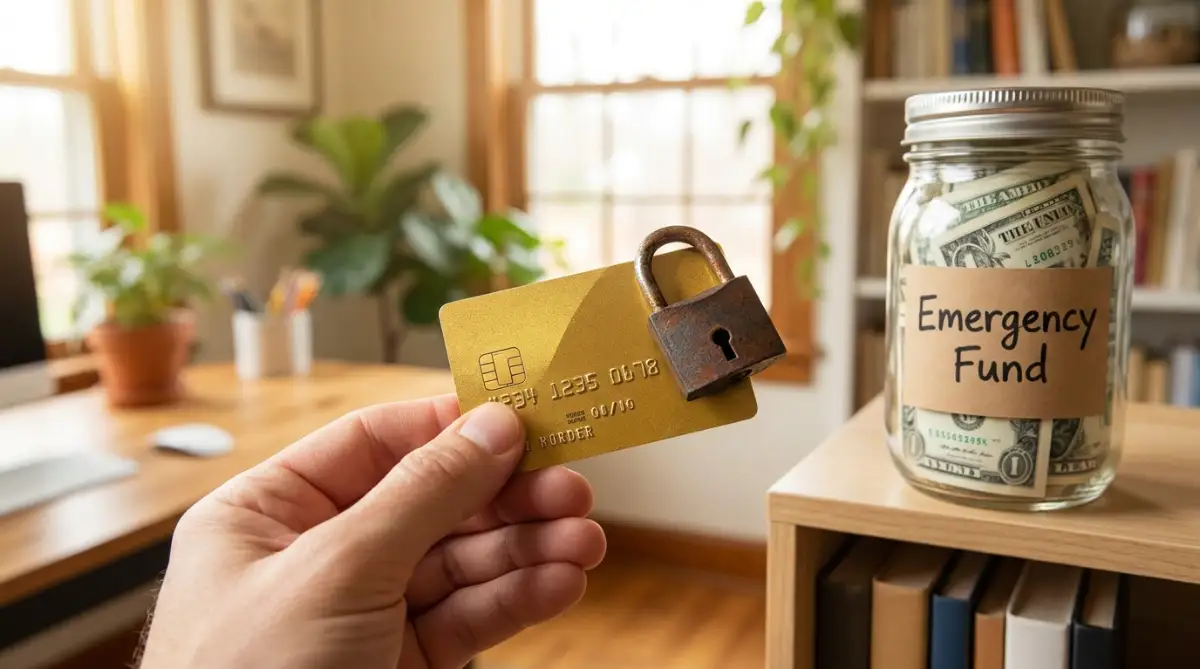
This is arguably the most dangerous mistake a person can make with their money. When you see a $10,000 limit on a piece of plastic, it is highly tempting to view that as your emergency safety net. You might think, "If my roof leaks or my dog gets sick, I will just swipe the card."
The problem is that you are replacing a crisis with a long-term financial burden. If you put a $3,000 emergency on a high-interest card, that emergency continues to haunt you for years. The compounding interest makes that initial problem twice as expensive over time.
You must remember that a credit limit is not cash in your bank account; it is a highly expensive rental agreement. Always build a separate, cash-based emergency fund so you do not have to borrow under pressure.
Financing Long-Term Assets with Short-Term Debt
I once had a friend who wanted to remodel his kitchen to increase the value of his home. Instead of researching options, he just put $15,000 worth of materials on two different credit cards. He thought he would easily pay it off in a few months, but life happened, and he got stuck with the balances.
He used a flexible, high-interest tool for a permanent, long-term project. This is a massive mistake that completely erodes your wealth. If you are funding a major life event or buying a valuable asset, you need to choose smart borrowing between fixed and variable rates.
Always use structured, predictable installment loans for things like home repairs, vehicles, or education. Save your flexible cards for daily expenses like gas, groceries, and travel bookings that you can pay off immediately.
Closing Old Accounts Out of Frustration
There is a highly satisfying feeling that comes with paying off a stressful debt. Often, people want to completely cut up the card and close the account forever to prevent future temptation. While this sounds like a smart behavioral move, it can actually cause serious damage to your credit profile.
When you look at how credit histories are tracked, you will see that the length of your account history matters immensely. If you close your oldest credit card, you instantly wipe out years of good behavior from your record. Your average age of accounts drops, and your score takes a noticeable hit.
Instead of closing the account, simply cut up the physical card if you lack self-control. Leave the account open with a zero balance. This keeps your total credit limit high and preserves your long, positive history.
My Personal Insider Tip: Instead of fully cutting up the card, I keep my oldest credit card linked to just one small, recurring monthly subscription—like my $10 Spotify account. I set it to autopay from my checking account and then lock the physical card in a drawer. This keeps the account "active" for my credit score without giving me the temptation to carry it around in my wallet.
Misunderstanding How Interest Actually Accumulates
People often look at the interest rate on their statements without actually understanding how the math works against them. With structured loans, the math is fairly straightforward and simple. But with flexible accounts, lenders use compound interest, meaning you pay interest on your interest.
If you do not fully grasp how interest rate calculations multiply your balances, you will stay trapped forever. You might make a $100 payment, but $85 of that goes straight to the bank's profit, leaving your actual debt almost untouched.
You must always look past the minimum payment requirement. Read the small print on your statement that shows how many years it will take to pay off the balance making only minimum payments. That shocking number is usually enough to wake anyone up.
Applying for Too Much at Once
When people decide they want to fix their financial situation, they sometimes act too aggressively. They might apply for a new balance transfer card, a debt consolidation loan, and a personal line of credit all in the same week. This triggers multiple "hard inquiries" on their credit report.
To a lending institution, this sudden burst of activity looks like sheer panic. It sends a strong signal that you are desperate for cash and might be on the verge of bankruptcy. To protect yourself, you should avoid common loan application mistakes by spacing out your requests.
Never apply for new funding unless you are absolutely sure you meet the criteria. If you get rejected multiple times, it only damages your profile further. Learn the common reasons banks say no to your loan request before you ever fill out a form.
The Hidden Mental Health Tax
We rarely talk about the psychological damage that comes from managing messy debts. When your money is out of control, the stress bleeds into every other area of your life. You might find yourself snapping at your kids, losing sleep, or fighting constantly with your spouse.
Taking control of your borrowing habits is not just about saving a few dollars on interest. It is about reclaiming your mental energy and protecting your peace. When you organize your accounts, you literally buy back your happiness.
Your Personal Roadmap to Total Financial Freedom
You have now uncovered the deep mechanics of how the lending industry actually operates. You know exactly how a fixed, structured loan differs from a flexible, revolving line of credit. More importantly, you now understand how to manipulate these systems to work entirely in your favor.
The days of blindly making minimum payments and hoping for the best are officially over. You are now equipped to make strategic, highly intentional choices every time you need to fund a purchase. You can confidently look at any financial product and immediately spot whether it is a help