The Hidden Nightmare of Setting Up Your Electric Car
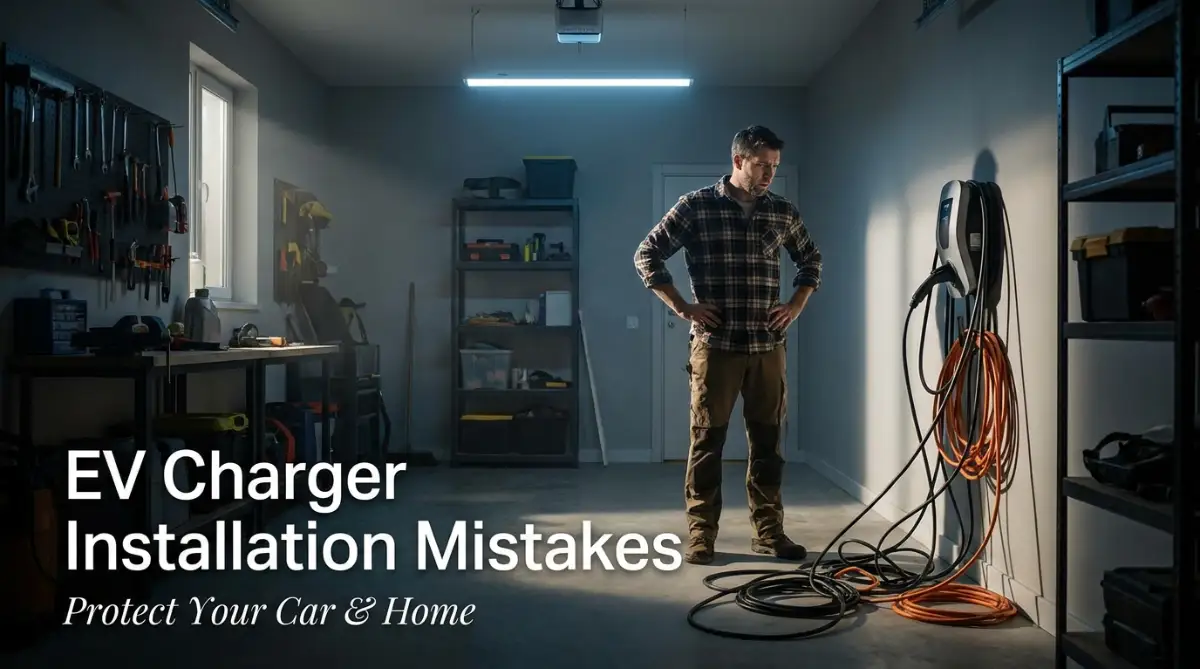
Bringing home a new electric car is an amazing feeling—until you stare at that massive charging box and realize you have no idea where to put it. I thought setting up my home station would be a quick weekend project. Instead, it almost cost me thousands in electrical repairs. If you want to wake up to a full battery without worrying about melting wires or denied insurance claims, you need to avoid the common traps most beginners fall into. Let me walk you through exactly how to set up your home charger the right way, without the headaches.
In a Rush? Here is Your Quick Setup Cheat Sheet:
- Check the Panel First: Do a proper math load calculation to see if your home can actually handle 40+ continuous amps.
- Hardwire Over Outlets: Skip the basic wall plugs and hardwire your unit directly into the breaker to prevent melted connections.
- Say No to Aluminum: Always demand pure copper wiring from your electrician to keep your system safe and cool.
- Buy the Long Cord: Spend the extra money on a 24-foot cable to avoid the annoying daily "car shuffle" in a tight garage.
Understanding Your Home's True Electrical Limits
Before you even think about buying a piece of hardware, you have to understand how your house breathes. Think of your home’s electrical system like a series of water pipes.
If your main pipe is already pushing water to your heavy appliances, adding a massive new hose might cause the whole system to lose pressure. This is exactly what happens when you add heavy electrical loads without checking your capacity first.
Most modern homes have a 200-amp electrical panel, which is generally fine for standard living. However, older homes often run on 100-amp or even 60-amp panels.
When you add a heavy-duty device that pulls 40 to 50 continuous amps for several hours, you are putting incredible stress on your system. If your central air conditioner, electric dryer, oven, and car all run at the exact same time, you will trip the main breaker.
Myth vs. Reality: Electrical Panels
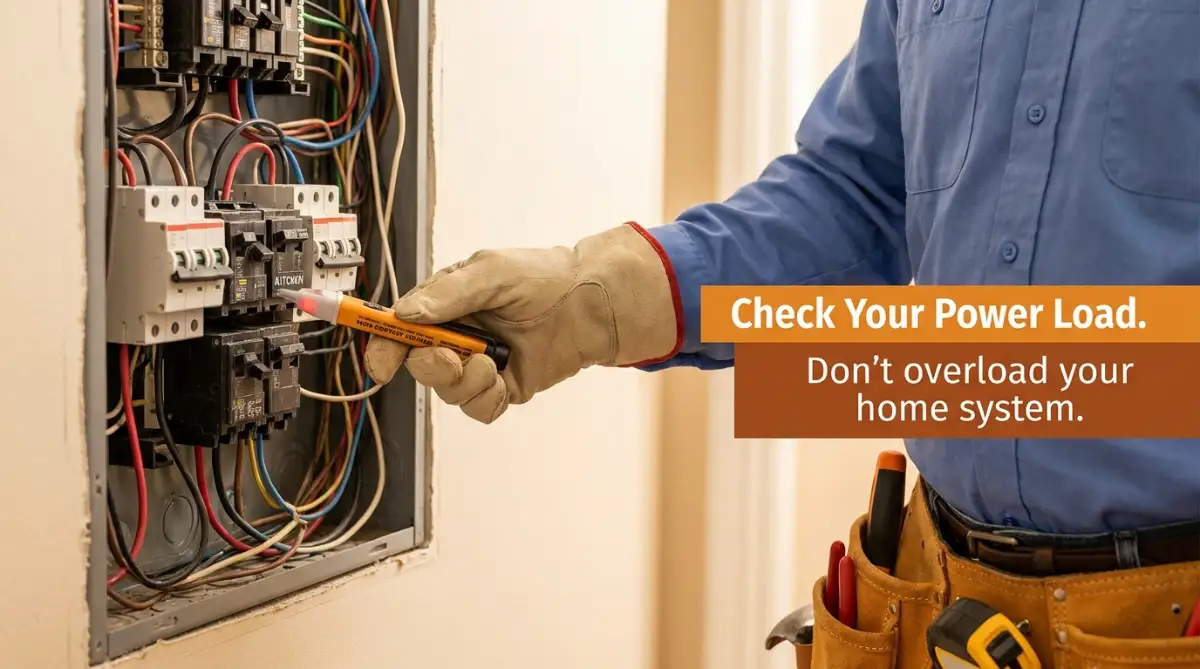
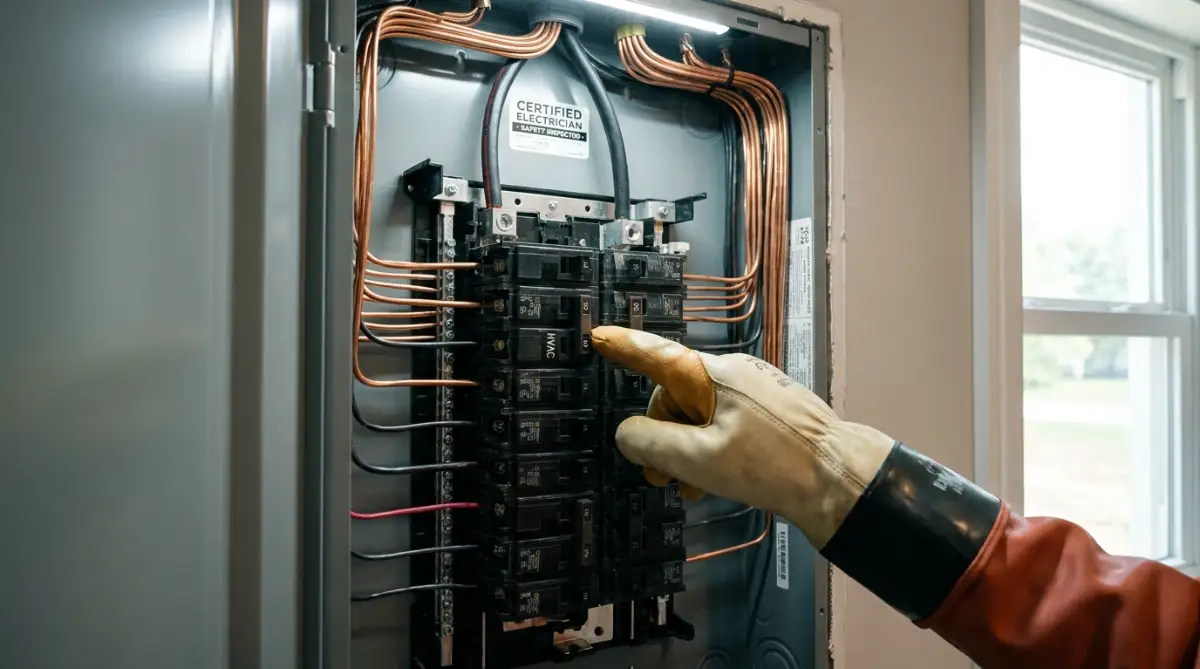
You need to perform a formal load calculation before making any purchases. This mathematical formula looks at the square footage of your home and the total wattage of your built-in appliances.
By calculating this correctly, you know exactly how much spare power you have left for your vehicle. If you skip this step, you risk overloading the neutral wires, which creates extreme heat inside your walls.
Many homeowners try to solve this by simply swapping a small breaker for a bigger one. This is a terrifying mistake that causes wires to melt and catch fire long before the system ever trips. Always match the wire gauge directly to the specific size of the breaker you are using.
Planning the Perfect Placement and Cord Route
Where you put the equipment matters just as much as how it is wired. I see so many people mount their expensive boxes right next to the breaker panel simply because it saves a few dollars on copper wiring.
Then they realize their vehicle's charge port is located on the opposite side of the bumper. This forces them to stretch a thick, heavy, dirty cable across the middle of their walking path every single night.
Pro Tip: I learned this the hard way when I mounted my box on the far left wall, totally forgetting my car's charge port is on the rear right. I had to drag a heavy, wet cord across the dirty garage floor every single day, which eventually damaged the expensive connector head. Always park your car in its usual, everyday spot before you even think about drilling a single hole in the wall!
When choosing a location, consider how you naturally move around your space. You want the device close enough to the car port so the cord hangs loosely, without any tension.
If you have to pull the cord tight, you will eventually break the internal copper strands. You also need to think about daily hazards, like children running past, bicycles falling over, or lawnmowers bumping into the casing.
If you are mounting the unit outside, you face entirely different challenges. You cannot just use standard indoor equipment and hope for the best.
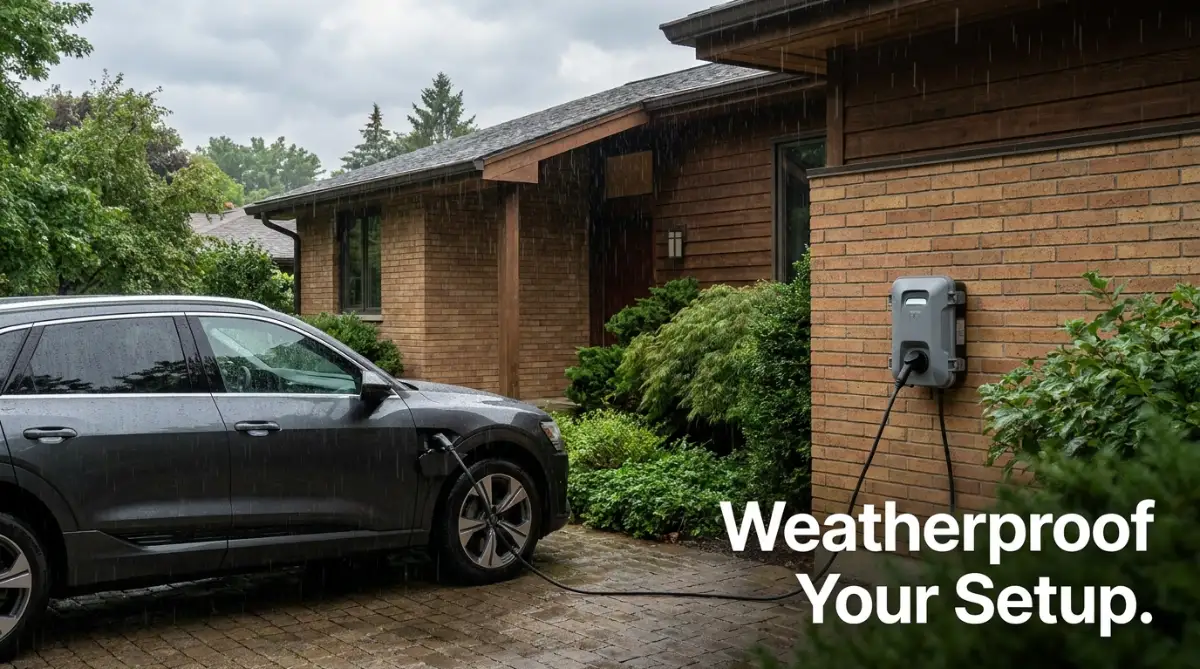
You must verify that the device carries a proper NEMA 4 or NEMA 4X weather resistance rating. This ensures rain, heavy snow, and blowing dust will not get inside the sensitive electronic circuit boards.
Furthermore, outdoor installations require special waterproof conduits and sealed junction boxes to protect the heavy power wires from the weather. Direct sunlight is another silent killer of electronics.
Try to place the unit on a shaded wall, or build a small protective roof over it. Excessive heat from the summer sun will actually cause the device to lower its power output to protect itself, meaning your car will take much longer to charge.
Why Hiring Certified Professionals Matters
Working with 240 volts of alternating current is incredibly dangerous and entirely different from changing a simple light switch. A small loose connection on a heavy-duty circuit will generate intense heat over time, silently melting the plastic housing.
The Reality of DIY Danger
Think about a standard wall outlet. You plug in a vacuum cleaner, run it for ten minutes, and turn it off.
Charging a vehicle is entirely different. You are running maximum electrical current through a wire for six, eight, or even ten hours straight.
This continuous, heavy load exposes any tiny weakness in the wiring, loose screws, or cheap materials. Certified electricians use specific tools, like torque screwdrivers, to ensure every single wire is tightened to the exact factory specification.
They also know local building codes, which dictate how high the box must be off the ground and what type of safety disconnect switches are required.
Before You Hire Someone, Watch This
Finding a trustworthy electrician who actually understands electric vehicles can be stressful. This helpful video breaks down exactly what questions you need to ask a contractor before letting them touch your home's wiring.
🎬 Watch Now: 5 Questions You MUST Ask Your Electrician Before Installing an EV Charger
Skipping the official permit and inspection process is another massive mistake. Many people skip this to save a few hundred dollars or avoid dealing with the city inspector.
However, if an unpermitted electrical job causes a fire, your home insurance company can legally deny your entire claim. You could lose your entire house just because you wanted to save a tiny bit of money on a permit fee.
Moreover, when it comes time to sell your home, a smart buyer will ask to see the permits for the charging station. If you cannot provide them, you might be forced to rip the whole system out or pay a huge fine. Always pull the right permits and always get the final city inspection.
Hardwired Connections vs. Plug-In Outlets
One of the most confusing decisions you will make is choosing how the equipment actually connects to your house. You generally have two choices: a plug-in model or a hardwired installation.
Many people choose the plug-in method because it seems easier. They ask an electrician to install a heavy-duty NEMA 14-50 outlet, and then they simply plug the device into the wall.
While this sounds convenient, it actually introduces several potential points of failure. The physical outlet is a weak link, especially if you buy a cheap, residential-grade receptacle from a basic hardware store.
Standard outlets are designed for electric ovens, which turn off and on in short cycles to maintain heat. They are not designed for the punishing, continuous hours of power flow required by large batteries.
If you choose to use an outlet, you absolutely must purchase an industrial-grade, heavy-duty receptacle. These cost significantly more, but they are built with thicker metal contacts that will not melt under extreme stress.
Additionally, plug-in models usually require a Ground Fault Circuit Interrupter (GFCI) breaker in the main panel to meet safety codes. The problem is, many modern charging stations already have built-in GFCI protection.
When you have two GFCI systems on the exact same line, they often confuse each other and trip randomly. You might wake up in the morning to find your car did not get any power at all because of a nuisance trip.
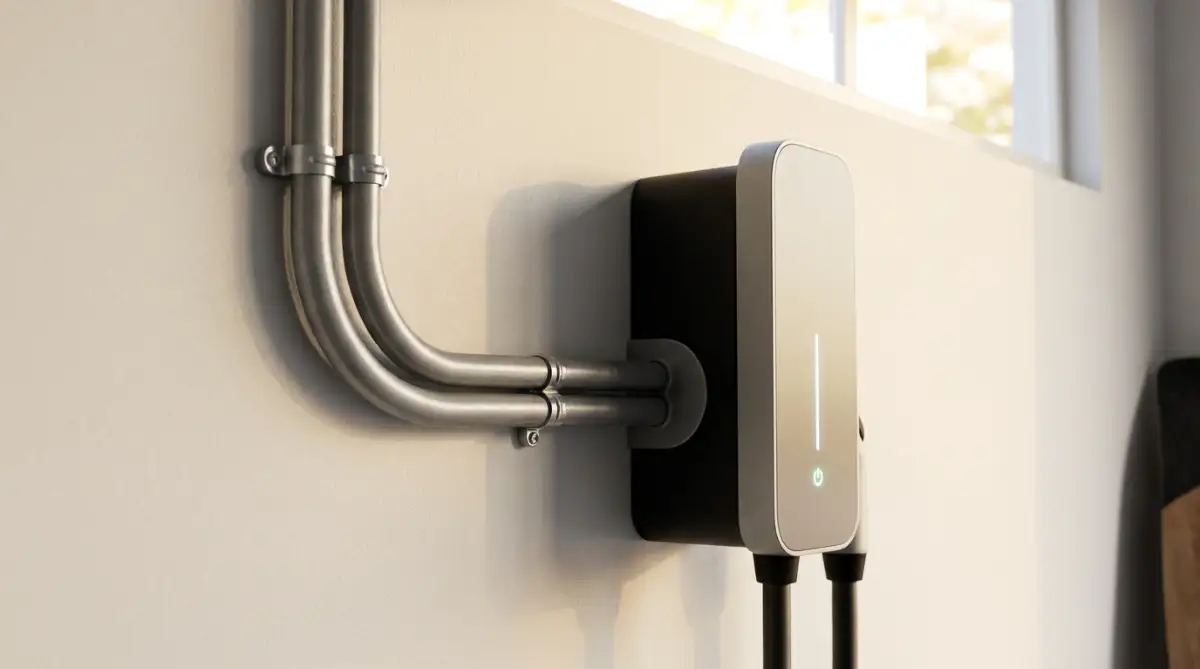
Hardwiring the unit directly into the electrical system eliminates almost all of these problems. In a hardwired setup, the copper wires go straight from your breaker panel into the back of the charging device.
There is no outlet, no plug, and no extra connection points to generate heat or fail. Hardwired units also allow you to push more power safely.
Most plug-in models are legally limited to 40 amps of power delivery. If you hardwire the system with properly sized cables, you can safely push 48 amps or more, resulting in much faster charging times.
Here is a quick breakdown to help you decide between plugging in and hardwiring:
Overlooking Wi-Fi Strength and Smart Features
We live in an era where everything connects to the internet, and your vehicle is no different. Almost all premium units come with smart features controlled by a mobile app.
You can track your energy usage, monitor exactly how much money you spend, and start or stop the charging session from your couch. However, many buyers completely forget to check their internet signal inside the garage.
Garages are often built with thick concrete walls, heavy fire-rated doors, and lots of metal framing. This creates a barrier that completely blocks your home router's signal.
If the device cannot connect to your home network, you lose all those expensive smart features you paid extra money for. The unit will simply act as a "dumb" charger, providing power but offering no data or control.
This becomes a massive financial mistake if your local utility company offers specific time-of-use rates. Many power companies charge very high prices for electricity during the early evening but offer incredibly cheap rates after midnight.
A smart app allows you to plug the car in at 6 PM, but tells the system to wait until exactly 12:01 AM to actually start pulling power. If your internet connection drops, the schedule might fail, forcing you to pay the most expensive electricity rates possible.
Before you mount anything to the wall, take your smartphone into the garage, stand exactly where the box will go, and check your wireless signal bars. If the signal is weak or dropping out, you have two simple solutions.
You can either install a wireless range extender inside the garage, or run a hardwired ethernet cable directly to the unit. Spending a few extra dollars to ensure a solid internet connection will save you thousands of dollars in electricity bills over the lifespan of your vehicle.
Choosing the Wrong Cord Length
It sounds like a ridiculously simple detail, but the physical length of the cable attached to your unit is incredibly important. Manufacturers typically sell units with cable lengths ranging from 12 feet up to 25 feet.
Many buyers choose the shorter cable to save a little bit of money or to keep their walls looking slightly cleaner. This is almost always a decision they regret deeply within the first month.
A 12-foot cord limits your options entirely. It means you must park your vehicle in exactly the same precise spot, facing the exact same direction, every single time.
If you ever need to park backwards, or if a guest needs to park in your spot, the short cord becomes completely useless. A short cord also floats in the air, creating a trip line that can seriously injure someone walking past in the dark.
Always spend the extra money to purchase a unit with a 24-foot or 25-foot cable. This longer reach gives you incredible flexibility.
You can park forward or backward without stressing the connection. You can even route the cable safely along the floor, out of the way of walking paths, before plugging it into the car.
Yes, a longer cable requires a bit more effort to coil up neatly when you are done. But that tiny inconvenience is nothing compared to the frustration of not being able to reach your car on a cold, rainy night.
Real-Life Scenario: The Two-Car Garage Trap
My friend Mark bought a short 14-foot cord because it looked much cleaner on his wall. Three months later, his wife bought an EV too. Because his cord was so short, they had to start doing a ridiculously annoying "car shuffle" every single night, constantly swapping parking spots in the freezing cold just to reach the plug. Do yourself a massive favor and buy the 24-foot cable.
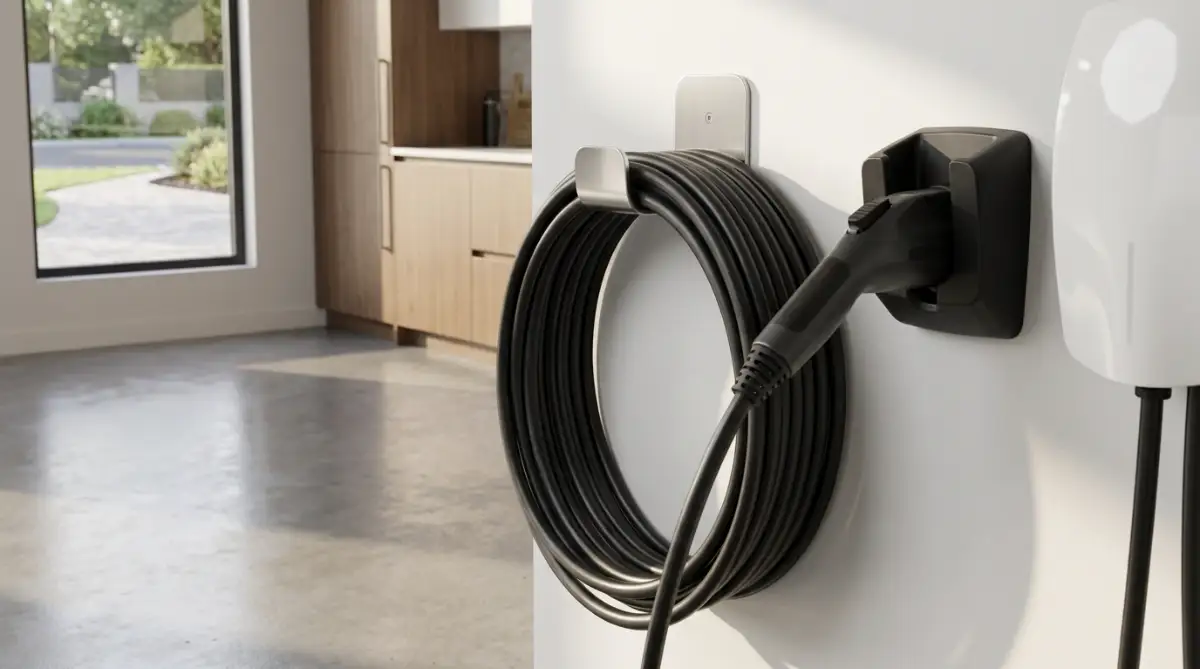
To manage a long cord properly, invest in a good quality mounting hook or cable holster. Keeping the cord looped neatly off the dirty floor prevents damage, keeps your hands clean, and ensures the system lasts for many years without failure.
Mastering the Long-Term Health of Your Charging Setup
Once you successfully install your new equipment, the journey does not stop there. Many people think a high-voltage wall box is a "set it and forget it" appliance, much like a living room television.
However, running massive amounts of electricity through a wire every single night puts intense physical stress on the components. Over time, this daily wear and tear can silently degrade your system if you do not know exactly what to look for.
I want to share some pro-level secrets that experienced drivers use to keep their equipment running perfectly for years. The first hidden secret involves a physical phenomenon called thermal expansion.
When you push high electrical current through copper wires for several hours, those wires get surprisingly hot. As they heat up, the metal physically expands, and when the session ends, the metal cools down and shrinks.
This constant expanding and shrinking acts like a tiny, invisible hand slowly loosening the screws inside your electrical box. Even if your contractor tightened everything perfectly on day one, those connections can easily become loose after several months of heavy use.
A loose wire creates electrical resistance, and resistance instantly generates dangerous levels of heat. This is exactly how plastic housings melt and start unexpected wall fires in the middle of the night.
To prevent this nightmare, you should ask a professional to open the box and re-torque the terminal screws to the manufacturer's exact specifications once every twelve months. This simple maintenance task aligns perfectly with basic national electrical safety standards for high-load residential equipment.
Another massive secret involves the physical charging handle itself, which takes a surprising amount of daily abuse. Think about how many times you drop it, drag it across the floor, or leave it exposed to blowing dust.
Dirt, dead bugs, and moisture eventually build up inside the tiny metal pins of the connector head. When you plug a dirty connector into your shiny new car, that trapped dirt creates a physical barrier that restricts the flow of energy.
This dirt also acts like a tiny heater, slowly damaging the expensive charging port on your vehicle. I highly recommend using a dedicated electronics contact cleaner spray and a small soft brush to gently clean those connector pins every few weeks.
Taking five minutes to clean your equipment ensures maximum energy transfer and actively protects your EV battery health and range loss over the long run. Keeping things clean is a very simple habit that saves you from replacing a broken handle that costs hundreds of dollars.
You also need to pay close attention to your smart software updates. Just like your smartphone, connected wall boxes receive periodic software patches directly from the manufacturer via Wi-Fi.
These updates are not just for fun new features; they often contain essential safety patches that fix known overheating bugs. I once ignored an update prompt for months, only to realize the new software actually optimized the energy flow and reduced my monthly electric bill.
Make it a solid habit to check the companion app at least once a month to ensure your firmware is totally up to date. If you take the time to prepare your garage for an electric car with a strong internet signal, these updates will happen automatically while you sleep.
Finally, managing the temperature inside your garage makes a massive difference in how well your equipment performs. Electronic circuit boards absolutely hate extreme heat, and a sweltering summer garage can easily push the internal sensors past their safe limits.
If the box gets too hot, it will automatically throttle the power output to protect itself, meaning your vehicle might only get half a charge by morning. You can solve this easily by adding some basic ventilation to your garage or installing a small fan to keep the air moving around the equipment.
Quick Fix: The $15 Garage Cooling Hack
If your garage turns into an oven during the summer, grab a cheap, small USB desk fan. Mount it directly above your charging box pointing downward, and plug it into a smart outlet. Set the smart outlet to turn the fan on automatically every day at 3 PM. This constant airflow stops the charger's internal sensors from overheating and keeps your charging speeds at maximum all summer long.
Following these residential electric vehicle charging guidelines ensures your setup stays healthy, safe, and highly efficient for as long as you own the vehicle.
Dangerous Shortcuts That Will Cost You Thousands
Even with the best intentions, I see smart people make terrifying mistakes simply because they want to save a little bit of time or money. The most dangerous trap you can fall into is accepting the absolute lowest bid from an unverified handyman.
When you get a quote that is magically hundreds of dollars cheaper than a licensed electrician, you need to understand exactly what you are sacrificing. These cheap contractors almost always cut corners by using inferior, residential-grade materials that simply cannot handle a massive, continuous electrical load.
One of the most common and scary shortcuts involves using aluminum wiring instead of pure copper wiring. Aluminum wire is incredibly cheap, which is why budget contractors love to suggest it for long runs across a large house.
The main problem is that aluminum expands and contracts much more violently than copper when it gets hot. It also oxidizes very quickly when exposed to air, creating a powdery rust that severely blocks electrical current.
Most modern wall boxes are specifically designed to only accept pure copper wire for this exact reason. If a handyman forces aluminum wire into copper-only terminals, it is practically a guaranteed recipe for a dangerous wall fire.
You should always verify in writing that your installer is using correctly sized, pure copper wire from the main panel all the way to the unit. The total cost of ownership for an electric vehicle goes up dramatically if you have to rebuild a burnt-down garage simply because you wanted to save fifty bucks on wire.
Here is a quick look at how trying to save money upfront usually ends up costing you way more:
Another massive mistake is ignoring proper cord management and letting the thick cable lay randomly across the garage floor. It seems harmless at first, until you accidentally run over the plastic connector head with your heavy car tire.
Crushing the handle instantly shatters the internal plastic dividers, leaving live, high-voltage metal pins completely exposed. If you try to use a cracked handle, you run a very real risk of receiving a massive electric shock or permanently short-circuiting your car's internal computer.
Always mount a sturdy metal hook directly next to your unit and train yourself to loop the cord up neatly every single time you unplug. Just as you want to avoid electric car charging mistakes in public, you must build disciplined, safe habits inside your own home.
Many homeowners also make the mistake of installing their equipment directly next to flammable materials. I have walked into garages where the high-voltage box was mounted right above open cans of paint thinner, oily rags, and spare gasoline cans for the lawnmower.
Even normal electronics can occasionally produce tiny, microscopic sparks inside their internal relays when switching heavy power on and off. If those normal sparks meet concentrated chemical fumes in a closed garage, the results are absolutely devastating.
Keep a strict, clean safety zone of at least three feet around your electrical equipment at all times. Treat this area with the exact same respect you would give to a blazing indoor fireplace or an open kitchen stove.
Finally, people constantly ignore the importance of weather sealing when mounting units on an exterior wall. They buy cheap, indoor-only units online and bolt them directly to their outside brick walls, assuming a little rain will not hurt.
Water always finds a way inside cheap plastic seams, and once moisture touches those high-voltage circuit boards, the entire unit is completely destroyed. If you must mount the system outdoors, you have to verify it carries the correct proper enclosure safety ratings specifically designed to block driving rain and heavy snow.
Failing to properly seal the electrical conduit pipes behind the box also allows morning condensation to slowly drip down directly into your main house panel. This hidden water damage rusts out your main home breakers, creating a repair bill that will easily run into the thousands.
Your Game Plan for a Safe and Stress-Free Garage
Getting your home charging situation sorted out correctly is the single most rewarding part of owning a modern electric car. When you stop worrying about tripped breakers and melted wires, you finally get to enjoy the incredible convenience this amazing technology offers.
To make sure you get this exact experience, I want you to remember a few key takeaways from everything we just discussed.
Your Final Action Plan:
Before you spend a single dollar, get that mathematical load calculation done for your electrical panel. Demand pure copper wiring from your installer, hardwire the unit directly to the wall for maximum safety, and make sure you buy a long enough cable so you never have to play musical cars in your driveway. Taking these few extra steps early on guarantees a stress-free experience every single morning.
By following these practical steps, you actively protect your expensive vehicle and keep your family completely safe from electrical hazards. You also ensure that you have plenty of energy, especially since your electric car loses power in winter and needs a reliable home connection to warm up the battery before you drive.
You can even take advantage of smart features to maximize how regenerative braking saves your battery during your daily commute. Everything works perfectly together when your home base is set up the right way.
Stick to electrical engineering best practices and never let anyone rush you into a dangerous shortcut. You deserve a setup that works beautifully, quietly, and safely in the background of your busy life.
I finally got my own garage completely sorted out after my initial disaster, and my mornings are now completely stress-free. Take charge of your installation project today, follow these safety steps, and I promise you will absolutely love the everyday convenience of waking up to a full battery!
Common Questions Homeowners Always Ask
Do I absolutely need to upgrade my electrical panel for a home charger?
Not always, but you must have a licensed professional calculate your current total energy load first. If your home already pulls close to its maximum limit with your oven, dryer, and air conditioner, you will definitely need a panel upgrade. However, if you have plenty of spare capacity, you can usually add a new breaker without replacing the whole system.
Can I install my new charging station completely outside in the rain?
Yes, you can install it outside, but you must buy a unit specifically rated for severe weather conditions, like a NEMA 4 or 4X rating. You also need to ensure the electrician uses sealed, waterproof conduit pipes so moisture cannot travel down the wires into your house. A basic indoor unit will fail very quickly if left outside in the rain or snow.
How long does a home charging box actually last before breaking?
A high-quality, properly installed unit from a reputable brand easily lasts between five to ten years with normal daily use. The lifespan heavily depends on how well you treat the physical cable and whether you protect the main box from extreme heat and direct sunlight. Keeping the connector pins clean also prevents heat damage, which significantly extends the life of the entire machine.
Will a hardwired station actually charge my vehicle faster than a plug?
Yes, a hardwired connection almost always delivers faster speeds because it can safely handle more electrical current. Plug-in outlets are legally limited by safety codes, usually restricting you to 40 amps of continuous power. When you hardwire the system with thick copper cables, you can safely push 48 amps or more, cutting hours off your total wait time.
Why does my smart charger keep dropping its internet connection?
Garages naturally have very weak internet signals because of thick concrete walls and heavy metal doors blocking your home router. If your unit keeps disconnecting, it will lose access to software updates and cheap off-peak energy scheduling. The easiest fix is to plug a simple Wi-Fi range extender into a regular outlet inside your garage to boost the signal directly to the box.
Disclaimer: The information provided in this blog post is for educational and informational purposes only and does not constitute professional electrical or engineering advice. Always consult with a licensed, certified electrician and obtain the necessary local permits before attempting any high-voltage electrical work or installing a home charging station.