
The Hidden Nightmare of Unorganized Paperwork
Did you know the average person spends roughly 2.5 days a year just looking for misplaced items? When those missing items are your auto loan contracts or tax receipts, that lost time directly translates into lost money. We often shove unopened bank mail into a random drawer, hoping to deal with it later because we are simply too tired after work. But ignoring that growing pile of paper doesn't make the stress go away—it just leads to missed payment deadlines, high interest penalties, and completely avoidable panic attacks. Let's fix this right now. I am going to show you a completely foolproof filing system that takes almost zero effort to maintain and instantly puts you back in charge of your own money.
Quick Summary: Your Action Plan
-
Gather every random financial paper in your house into one single box before you start sorting.
-
Sort your stack into strictly three categories: Keep, Shred, and Recycle.
-
Keep only the original loan contracts and the absolute final payoff letters; shred most old monthly statements.
-
Build a hybrid system by keeping physical copies in simple folders and scanning backups into a secure cloud drive.
-
Spend just 10 minutes every Sunday morning filing new mail to keep the clutter away forever.
How to Actually Fix Your Paper Chaos (Without Losing Your Mind)
Taking control of your scattered papers does not require a special degree or hours of boring work. You just need a simple, practical system that works smoothly with your everyday habits. Let us break down exactly how you can turn that messy drawer into a beautiful, stress-free filing system today.
Why We Naturally Hide From Bank Statements
Before you start throwing papers away, it helps to understand why we let them pile up in the first place. Human brains naturally want to avoid tasks that seem boring, complicated, or emotionally draining. Looking at a bank contract often brings up feelings of debt anxiety, so our brain tells us to just hide it in a drawer and forget about it.
Start with the "Everything in One Place" Method
The very first step to fixing this problem is finding every single financial paper hiding in your home. Grab a large laundry basket or a big cardboard box, and walk through every room. Check your bedside tables, your kitchen counters, the glove box in your car, and those random bags sitting in the closet.
Do not try to read or organize anything during this gathering phase. Your only goal right now is to put every piece of paper into this one single box. This action alone gives you a huge sense of control because you finally have the enemy surrounded.
Sorting the Gold from the Garbage
Now that you have your giant box of papers, grab a cup of coffee and sit down in a comfortable spot. You are going to create three very distinct piles: Keep, Shred, and Recycle. This is where the magic happens and your physical space starts to clear up.
The "Keep" pile is strictly for active agreements, title deeds, original signatures, and current payoff statements. The "Shred" pile is for anything that has your account numbers, old passwords, or personal identity details that you no longer need. Everything else, like junk mail and generic promotional flyers, goes straight into the "Recycle" pile.
A Pro Tip From My Own Mistakes
When I first started sorting my papers, I made the terrible mistake of keeping absolutely every single monthly statement for over five years. I quickly realized my folders were exploding, and I could never find the most important original agreements. My personal rule now is to only keep the original contract and the very last closing statement of the account; everything else gets safely shredded.
Setting Up Your Action-Oriented Folders
Now that you have your final "Keep" pile, you need a home for these important documents. Buying a massive, complicated filing cabinet might seem like a good idea, but it often becomes just another place to hide junk. Keep things incredibly simple by using brightly colored folders or a portable expanding file organizer.
Create broad, easy-to-understand categories for your folders. Do not overcomplicate your labels. Simple names like "Car Payments," "Home Mortgage," and "Personal Debts" work much better than complicated accounting terms. The easier your system is to read, the more likely you are to actually use it.
Why You Need to Keep All Your Loan Documents Organized Today
The Power of the Hybrid Storage System
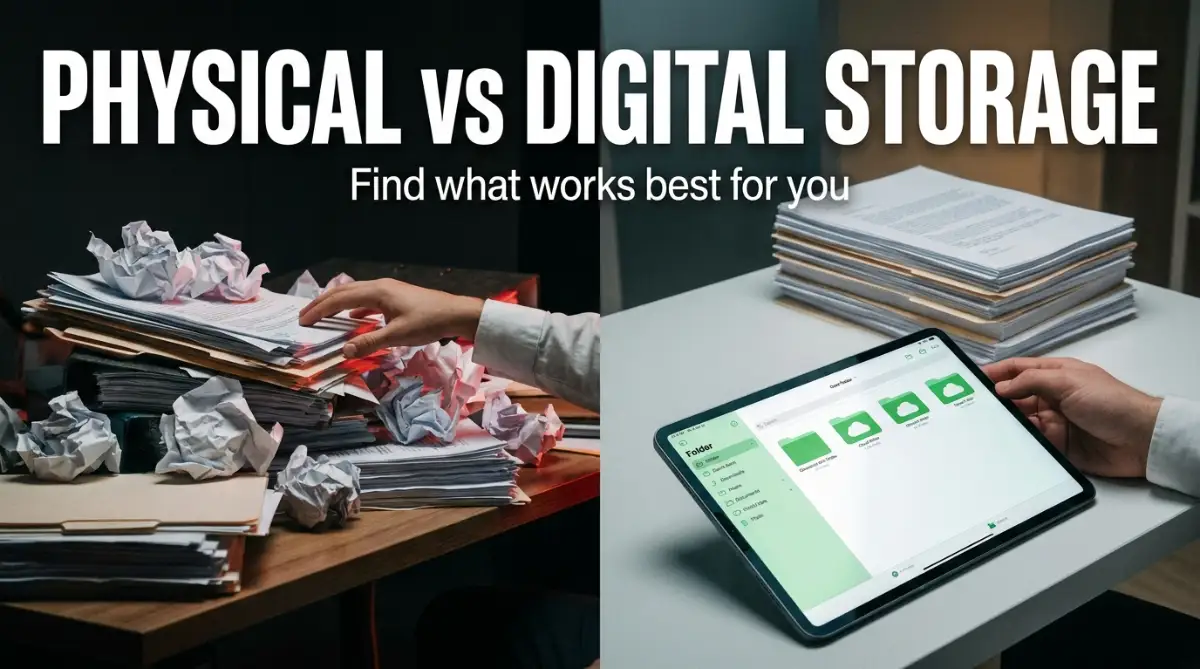
While having physical folders is great, keeping a backup is absolutely necessary for true peace of mind. Disasters like floods, fires, or even a spilled cup of coffee can destroy an original paper in seconds. This is why building a hybrid system—using both physical folders and digital backups—is the smartest move you can make.
You do not need an expensive scanner to create digital backups anymore. Most modern smartphones have incredible document scanning features built right into their default camera apps. Simply snap a picture of your most important contracts and upload them to a secure, password-protected cloud storage folder.
If you are wondering which tools actually work best, skip the paid subscriptions and use what you probably already have. If you use an iPhone, the built-in Apple Notes app has a fantastic document scanner right inside the camera icon. For Android users, the Google Drive app has a tiny "+" button that scans and turns papers into crisp PDFs instantly. Another great free option is Adobe Scan, which automatically detects the edges of your paper and removes annoying shadows.
Naming Your Digital Files Correctly
A digital file is completely useless if you cannot find it when you search for it on your computer. Many people just scan a paper and leave the file name as a random string of numbers, like "IMG_9942.jpg." You must rename your files immediately after you scan them.
A great naming habit includes the date, the bank name, and what the paper actually is. For example, naming a file "June-Mortgage-Closing-Statement.pdf" means you can find it in two seconds just by typing "Mortgage" into your search bar. This tiny habit saves hours of endless clicking and frustration later on.
Understanding What Each Document Actually Does
To fully appreciate why you are doing this work, you need to know the hidden power inside these papers. A standard financial agreement is not just a receipt; it is a legally binding shield that protects you from unfair charges. If a lender ever claims you missed a payment, your organized records are your only reliable defense.
The Promissory Note
This is the heart of your entire agreement. It outlines exactly how much money you borrowed, the interest rate you agreed to, and the strict timeline for paying it back. If a bank suddenly changes your interest rate, holding onto your original promissory note proves exactly what you originally signed.
The Amortization Schedule
This fancy term just means a table showing how every single payment is split between the main balance and the interest fees. Having this schedule handy lets you see exactly how much money you can save if you decide to pay off your debt early. It completely removes the mystery of where your hard-earned money is going every month.
Monthly Statements and Payoff Letters
While you do not need to keep every single monthly paper, keeping recent statements helps you spot errors quickly. However, the most important paper you will ever receive is the final payoff letter. This letter is your ultimate proof that you owe nothing more, and you should guard it like absolute gold for the rest of your life.
How Missing Papers Can Ruin Your Plans
Let us look at a real-life scenario to see why organization matters so much. Imagine you finally found a buyer for your old car, and they are ready to hand you the cash today. But when you go to transfer the ownership, you realize you lost the paper proving you paid off the car years ago.
The buyer gets nervous and walks away, leaving you scrambling to contact your old bank to mail you a new release document. A process that should have taken ten minutes now takes three weeks, all because one single piece of paper was missing. This kind of completely avoidable disaster is exactly what a good filing system prevents.
Myth vs Reality: The Paperwork Trap
There are so many misconceptions about how long you should hold onto your files. Let us clear up some common confusion right now so you can stop hoarding unnecessary trash.
| The Paperwork Myth | The Actual Reality |
| Keep everything for 7 years. | That 7-year rule is mostly for business taxes. For everyday personal debt, just keep the final payoff letter and toss the old monthly bills. |
| Banks keep perfect digital records. | Banks merge, change software, and make human errors all the time. If they lose your history, you are on your own. You must keep your own copies. |
Here is a quick cheat sheet to help you decide exactly what to keep and what to toss: