
The Hidden Struggle of Running on Empty
You hit the snooze button for the third time, but that heavy, fuzzy feeling in your head just won't quit. Sound familiar? I used to blame my busy job and tried surviving on three large coffees a day just to function. It took endless headaches and nasty afternoon crashes for me to realize the ugly truth: my body wasn't overworked, it was literally crying out for a plain glass of water. Let's talk about the sneaky warning signs your body sends when it runs completely dry, and how fixing this one habit can give you your daily energy back.
Why do so many people fail to fix this simple problem? Mostly because the internet is packed with confusing and often completely wrong advice. Here is why bad information keeps you trapped in a cycle of thirst and extreme fatigue:
- The "eight glasses" myth: People force themselves to drink a random, fixed amount of water every day. They do not realize their body might need much more based on their body weight, local weather, and daily physical activity level.
- Replacing water with caffeine: Many adults believe a large iced coffee, sugary soda, or an energy drink counts as proper hydration. In reality, these specific drinks often act as diuretics, pushing more liquid out of your internal system than they put in.
- Waiting for extreme thirst: If you only reach for a cup when your mouth feels like dry sandpaper, you are already too late. Feeling physically thirsty is a late-stage alarm, not an early warning sign.
- Ignoring hidden water loss: We easily forget that simply breathing, sweating lightly in a cool air-conditioned office, and digesting heavy meals all consume massive amounts of our body's internal water supply.
Quick Reality Check: Hydration Myths vs. Facts
- The Myth: If you aren't sweating, you aren't really losing water.
- The Fact: You naturally lose up to 400ml of internal water every single day just by breathing out air!
- The Myth: Coffee dries you out so badly that it doesn't count toward your daily fluid intake.
- The Fact: While caffeine is a mild diuretic, a regular cup of morning coffee still adds a little bit to your net hydration. Just don't let it be the only thing you drink today.
This constant state of being under-watered does much more than just hurt your physical body. It slowly and silently chips away at your mental peace and self-confidence in ways you might not even realize:
- Unpredictable mood swings: You might find yourself snapping angrily at your loved ones over tiny mistakes. This happens simply because your brain lacks the fluid needed to process stressful emotions calmly.
- Lost focus at work: Staring at a computer screen becomes nearly impossible when poor hydration causes intense brain fog. This constant lack of focus makes you doubt your own professional abilities and intelligence.
- Anxiety over random pains: Sudden, sharp muscle cramps or heavy tension headaches can trigger intense health anxiety. You might start worrying about serious illnesses when, in fact, your body just needs a large glass of plain water.
- Ruined self-esteem: Dry, flaky skin, deep under-eye bags, and constant stomach bloating can make you feel incredibly uncomfortable in your own body. This physical discomfort drops your daily confidence levels straight to zero.

Fast Facts: What You Will Learn Today
Why your tired brain constantly mistakes being thirsty for feeling hungry (and a quick 15-minute test to prove it).
How a tiny 2% drop in internal water causes massive afternoon brain fog and sharp headaches.
The exact reason you get those scary, painful midnight leg cramps.
Simple, everyday tricks to "eat" your water instead of just chugging plain bottles all day long.
Decoding Your Body's Silent Dashboard Lights
If you are more of a visual learner, watch this quick video below where I break down exactly how your body secretly asks for water every single day. Once you finish watching, keep reading to discover my top everyday tricks for staying perfectly hydrated without even trying!
We need to learn how to actively read these specific dashboard lights before the engine completely overheats. I am going to walk you through the most common, yet deeply misunderstood, physical signs of poor hydration.
These are not your average textbook medical symptoms. We are looking at real-life, practical scenarios that happen to you every single day without you even noticing.
Warning Sign 1: The "Fake Hunger" Illusion
Have you ever eaten a huge, heavy lunch, only to find yourself digging aggressively through the snack drawer just an hour later? You are certainly not alone in this habit.
Most folks automatically assume their metabolism is just running incredibly fast today. However, human biology tells a completely different story.
Your brain very often confuses the internal signals for hunger and thirst. Both of these powerful signals come from the exact same region in your brain, called the hypothalamus.
When your internal water levels drop, the hypothalamus sends out a generic "I need something right now" message to your body. Because modern humans are so used to eating for comfort, we immediately grab a bag of salty chips instead of pouring a glass of water.
Real-Life Scenario: You are sitting quietly at your office desk at 3 PM. Your stomach rumbles loudly. You eat a sweet chocolate bar, but that empty feeling still remains. You eat some dry crackers, yet you still feel unsatisfied.
This is the classic fake hunger illusion. Your body is actually begging for hydration, but you are responding by giving it solid, dry food. This mistake not only leaves you deeply dehydrated but also frequently leads to unwanted weight gain over time.
How to fix this today: The very next time you feel a sudden, strange food craving between your normal meals, try a simple physical test. Drink one full glass of plain, room-temperature water.
Wait exactly fifteen minutes while focusing on a different task. If the nagging hunger completely disappears, your body was just thirsty. If you are still truly hungry after those fifteen minutes pass, go ahead and grab a healthy, balanced snack.
Expert Insight Box:
Did you know that aggressively chewing on ice cubes or suddenly craving highly salty foods can also be a hidden cry for hydration? When you lose body water through sweat, you also lose valuable electrolytes. This imbalance makes your body strongly crave salty items to try and balance the internal scales.
Warning Sign 2: The Mid-Day Brain Drain
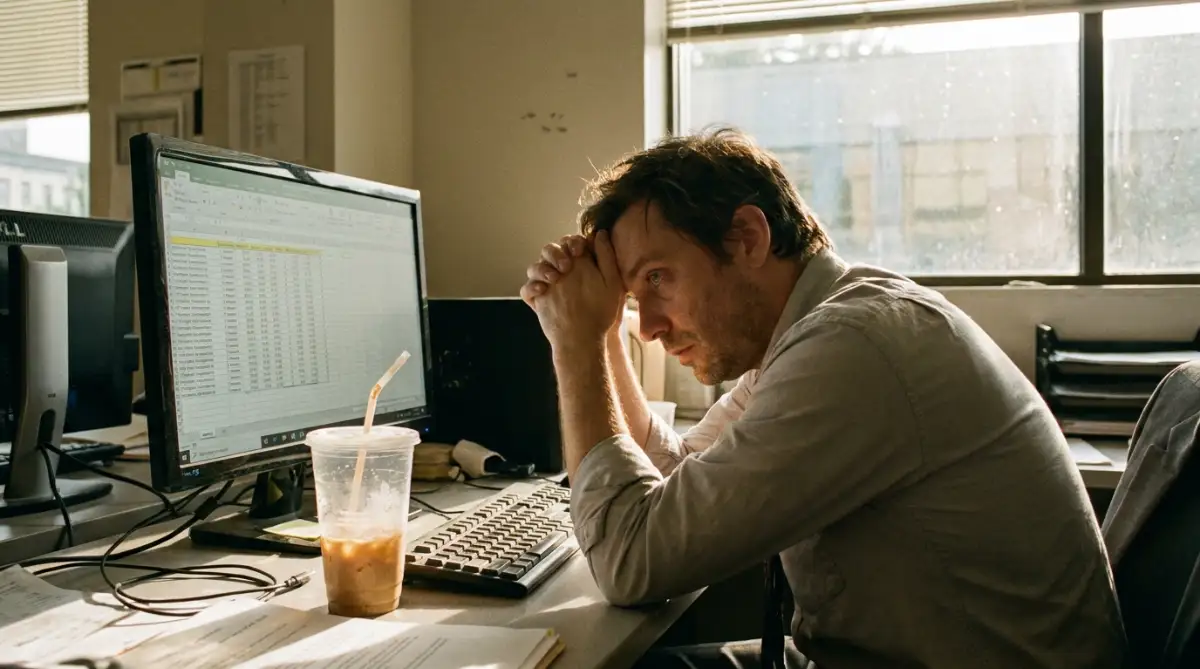
We have all experienced the dreaded, heavy afternoon slump at work. Your eyelids suddenly feel heavy, your thoughts get muddy, and you cannot seem to finish typing a simple email.
Most people immediately reach for a strong cup of dark coffee to power through the rest of the day. But adding more caffeine might be the exact opposite of what your tired brain actually needs.
Think of your human brain just like a household kitchen sponge. When a sponge is completely wet, it is plump, highly flexible, and absorbs things very easily. When that same sponge completely dries out, it becomes stiff, hard, and mostly useless.
Your brain is composed of roughly 73% water. Even a tiny, seemingly harmless drop in your overall hydration—as little as a 2% decrease—can cause very noticeable cognitive problems.
This slight drop actually shrinks the soft brain tissue slightly, pulling it gently away from your hard skull. This exact shrinking process is why you get those annoying, throbbing tension headaches when you forget to drink water for hours.
The Analogy: Imagine trying to run a high-end, heavy video game on a very old computer that is currently overheating. Everything lags, the screen stutters, and eventually, the system just crashes. Your dehydrated brain operates the exact same way under pressure.
Actionable Advice: Instead of relying on a third cup of strong coffee, try a natural hydration reset. Keep a large, clear bottle of fresh water right next to your computer screen or workspace.
Seeing the physical water sitting there acts as a powerful psychological trigger for your brain. Make it a hard, unbreakable rule: before you open a new browser tab or start a brand new task, you must take three large sips of water.
Myth vs Reality:
- The Myth: You need expensive, sugary energy drinks to instantly cure afternoon brain fog and fatigue.
- The Reality: Drinking a glass of cold water paired with a quick physical stretch gets fresh oxygen and fluid back to your brain much faster. Plus, you avoid the terrible sugar crash later in the evening.
Warning Sign 3: The Bathroom Color Check
Your body always leaves physical, undeniable clues when it is running dry. You just need to know exactly where to look. One of the most obvious and accurate indicators is the actual color of your bodily output.
Let us discuss something most people usually avoid talking about in public: your daily bathroom habits. Your natural urine color is the most accurate, real-time hydration tracker you currently possess.
You do not need an expensive smartwatch or a fancy mobile app to track your health. You just need to look down into the bowl before you flush.
Real-Life Example: A busy young professional named Sarah kept spending hundreds of dollars every month on expensive facial moisturizers. Her face always felt incredibly tight, dry, and uncomfortable.
She honestly thought she just had "bad skin genetics" passed down from her parents. After a health expert pointed out her chronic daily dehydration, she finally started drinking adequate water every single day.
Within just a few weeks, her skin completely transformed and glowed naturally. The expensive, chemical-filled creams were never the real solution; her internal body simply needed pure moisture.
Actionable Advice: Make checking your personal hydration status a completely automatic daily habit. Every single time you use the restroom, force yourself to do a quick visual color check.
If things are looking a bit too dark or cloudy, immediately drink a tall glass of water right after washing your hands. Do not delay this action, or you will easily forget to do it.
Warning Sign 4: The Nighttime Muscle Mutiny
There is honestly nothing quite as terrifying as being violently jolted awake in the middle of the night by a sudden, intense pain in your lower leg.
These brutal midnight charley horses are very often blamed on a lack of dietary potassium or just sleeping in a weird, awkward position. While those can sometimes be factors, the main offender is usually poor daytime hydration.
Your muscles work super hard all day just to keep you moving. To do this smoothly, they need a steady flow of water and natural minerals.
When you sweat, you lose a lot of sodium and water through your skin. If you don't replace those lost fluids before you go to sleep, your leg muscles start to panic in the middle of the night.
The Science Behind It: Your overall blood volume drops significantly when you lack internal water. To protect your most important core organs, your smart body naturally restricts blood flow to your arms and legs.
This sudden lack of oxygen-rich blood in your extremities causes your delicate muscle nerves to become hyper-sensitive. They begin to misfire rapidly, leading straight to those agonizing, muscle-tearing cramps.
How to protect yourself: Do not chug a massive, heavy bottle of water right before jumping into bed. Doing that will just completely ruin your sleep schedule with constant, annoying bathroom trips.
Instead, focus entirely on steady, slow hydration throughout your early afternoon and evening hours. Have just one small, calming glass of water about an hour before you finally go to sleep.
If you had a very heavy workout that specific day, consider eating a small slice of fresh watermelon or a cool cucumber with your evening dinner. These specific water-rich foods release their trapped moisture very slowly overnight, keeping your muscles perfectly happy.
Mastering Your Daily Fluid Balance Like a Pro
My biggest mistake used to be forcing myself to chug a huge bottle of plain water all at once, which just made me feel terribly bloated and sick. I finally realized that adding a tiny pinch of real sea salt or snacking on a cold slice of watermelon makes a huge difference in how my body actually absorbs the moisture
Many folks think fixing this problem means simply carrying around a massive plastic jug everywhere they go. I used to believe this exact same myth a few years ago. But true cellular hydration goes way beyond forcing yourself to gulp down plain water all day long.
Let us look at some expert-level secrets that top nutritionists use to keep their clients consistently energized. These simple, everyday adjustments will help you easily lock in internal moisture for the long term.
The Secret of "Eating" Your Water
You do not actually have to drink every single drop of your daily fluid limit. Mother Nature already packaged some of the absolute best hydration sources naturally inside fresh, raw produce. Fruits and vegetables are heavily loaded with structured water, which your dry body absorbs very easily.
Think about a fresh, crunchy cucumber or a thick slice of cold watermelon on a warm afternoon. These amazing foods are packed with essential vitamins and natural salts that actively pull moisture directly into your dry cells.
You can easily boost your overall fluid levels by simply practicing smart nutrition and maintaining a balanced diet. The natural, healthy fiber in these foods drastically slows down the human digestion process.
Sneaky Water Sources: Top Foods to Keep You Hydrated