My First Public Charging Disaster (And How It Almost Ruined My Trip)
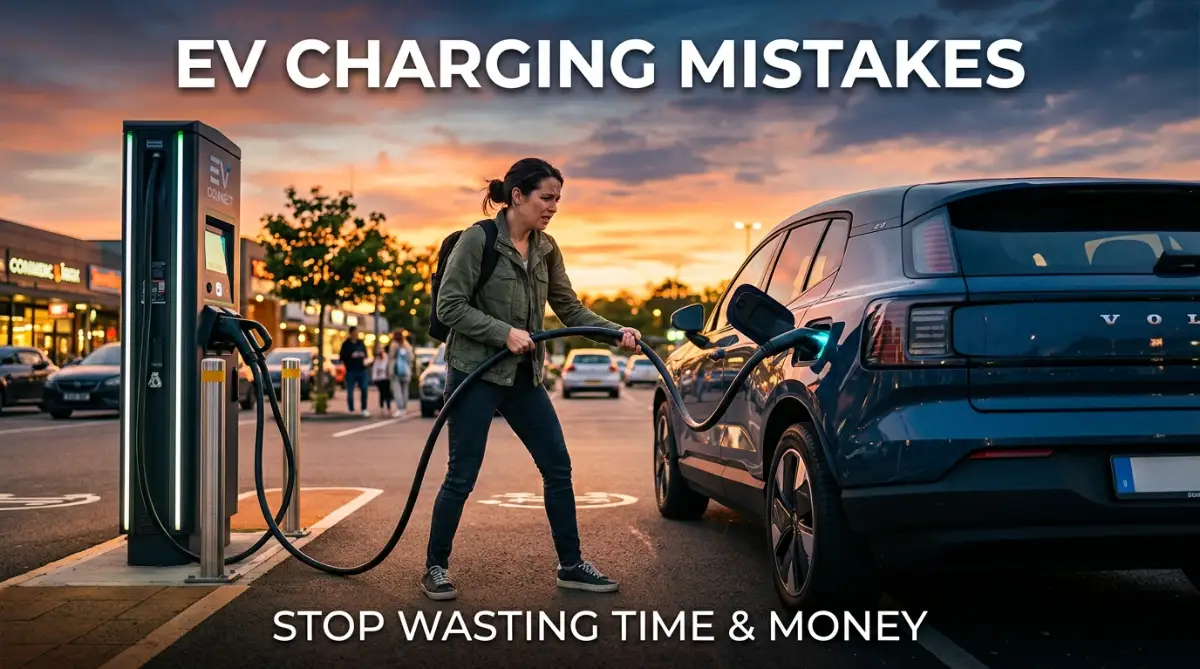
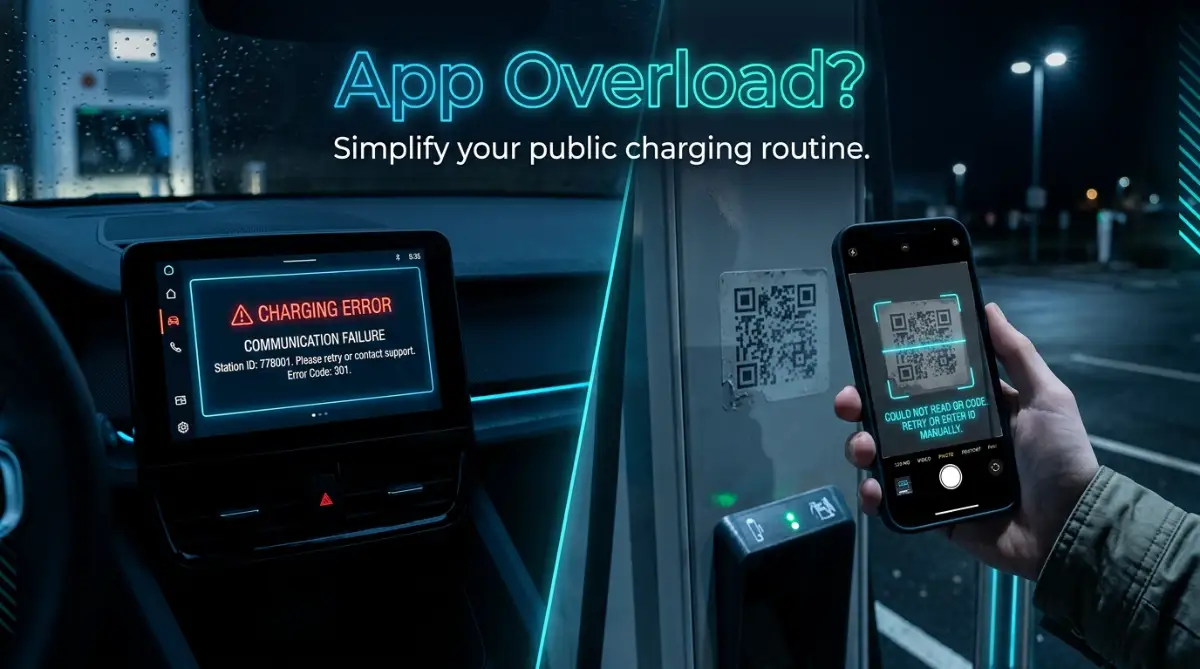
I was standing in the freezing rain, fighting with a charging cable that weighed as much as a small dog. My phone was on 2%, my brand-new EV was flashing a terrifying red battery warning, and I felt completely clueless. Buying an electric car feels like stepping into a smooth, quiet future—until you try to charge it in public for the very first time. Let me show you how to skip the headache, avoid the hidden fees, and actually enjoy your next road trip.
I grabbed the heavy, thick cable, wrestling it toward my car in the pouring rain. My hands were freezing, and I had absolutely no idea which plug was the right one for my vehicle. To make matters worse, the machine demanded a specific mobile app that I had not downloaded. I stood there shivering, watching my phone battery die while trying to set up a new account just to get some electricity.
This is the harsh reality for so many new electric vehicle owners today. You buy this amazing, quiet, futuristic machine hoping for a smooth and eco-friendly ride. But the moment you step out of your local driving bubble, public charging can feel like a complicated puzzle.
People are missing important meetings, sitting in freezing cars with their families, and paying ridiculously high fees simply because they do not know the unwritten rules of public stations. It completely drains the joy out of driving. The constant worry about where to charge, how to pay, and whether the machine will actually work is causing immense stress.
I learned things the hard way so you do not have to. Let me walk you through the hidden traps of public stations and how you can easily master them starting today.
What You Will Learn in This Guide:
- Why waiting for a 100% charge is wasting your time and money.
- How to match the exact right charger to your travel schedule.
- The secret to avoiding massive "idle fees" while you eat lunch.
- Why treating 20% as your new "empty" will save you from a tow truck.
The 80% Rule: Why Pushing for a Full Battery is a Huge Error
One of the biggest misunderstandings happens right at the charging screen. Most new drivers assume that filling up an electric car is exactly like filling up a gas tank. You just plug it in and wait until the dial hits one hundred percent, right?
This is actually a terrible habit that costs you money and wastes everyone's time. Electric car batteries operate on a very specific chemical curve. When your battery is low, it can accept energy at lightning speed.
Think of your battery like a movie theater that just opened its doors. The first crowd of people rushes in and fills the empty seats instantly. But as the theater gets packed, it takes much longer for the remaining people to find those last few hidden seats.
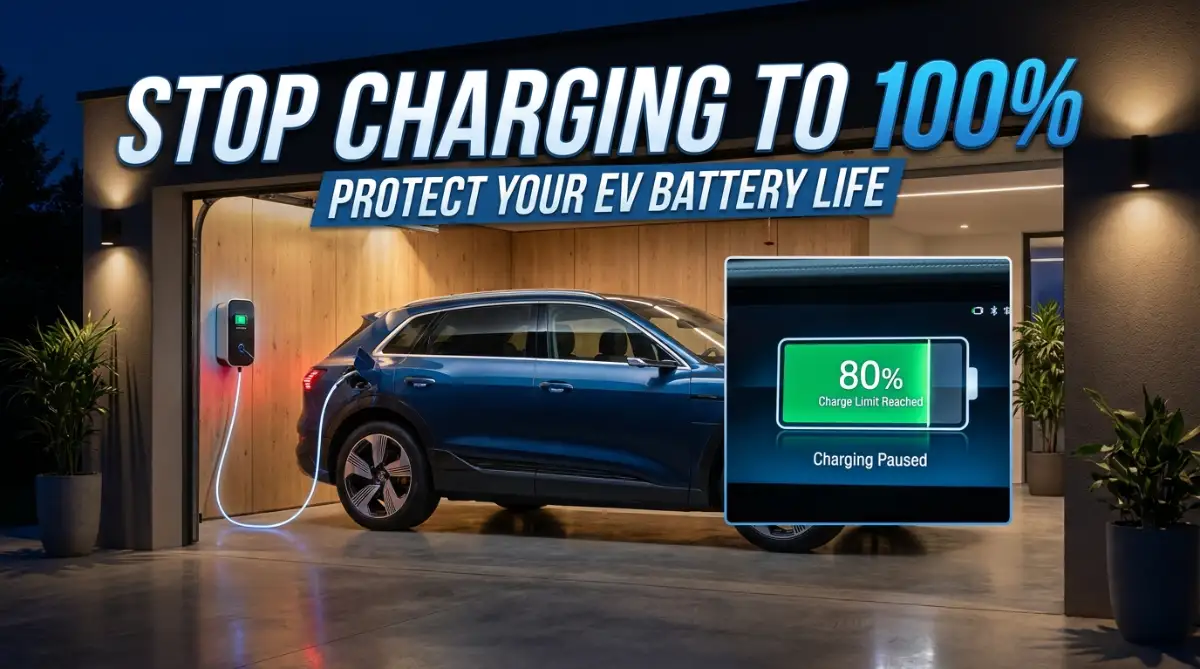
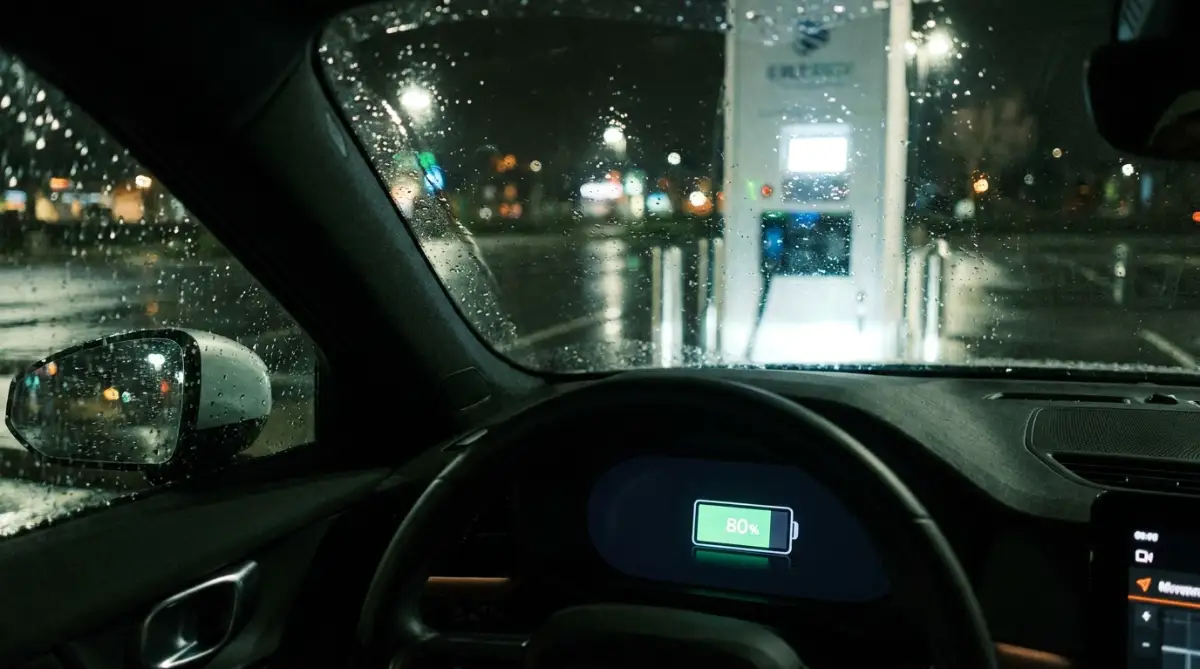
Your battery does the exact same thing once it hits the 80% mark. The vehicle's computer intentionally slows down the charging speed to protect the battery cells from overheating and getting damaged. This means getting from 10% to 80% might take just thirty minutes.
However, getting from 80% to 100% could take an entire hour. If you sit at a busy fast charger waiting for that last tiny bit of range, you are paying for time rather than actual electricity. You are also blocking other desperate drivers who might be running on empty.
Unless you are heading into a massive desert with absolutely no stations for miles, unplug when you reach 80%. It keeps your battery healthy, saves you money, and makes the whole trip much faster.
Matching the Right Charger to Your Current Needs
Another massive headache is pulling up to a station and realizing you picked the wrong type of equipment. Not all public chargers are created equal. In fact, they serve completely different purposes depending on your daily schedule.
There are generally two types of public chargers you will encounter: Level 2 chargers and DC Fast Chargers. A Level 2 charger provides a slow, steady stream of power. It is perfect if you are parking at a hotel overnight, working at the office all day, or spending three hours watching a movie at the mall.
DC Fast Chargers, on the other hand, are the massive machines you find along major highways. They pump a massive amount of power directly into your battery in a very short time. The mistake happens when people mix these two up.
I often see drivers plug into a slow Level 2 charger at a grocery store, expecting their nearly empty battery to be full by the time they buy milk. They come back out ten minutes later and are shocked to see they only gained three miles of range.
If you are in a rush and need to get back on the highway, you must locate a DC Fast Charger. If you have hours to kill, save some money and use a Level 2 plug. Understanding this simple difference will instantly remove half the stress from your road trips.
Quick Cheat Sheet: Which Charger Do You Need?
The App Trap: Arriving Unprepared
Let us talk about the payment situation, because it is easily the most frustrating part of the whole experience. Unlike normal gas stations, you cannot just swipe your credit card at the pump and start charging at most locations.
The public charging network is owned by a dozen different companies. Every single one of them wants you to download their specific app, create a profile, and load a digital wallet with money.
If you wait until you arrive at the station to figure this out, you are going to have a bad time. You might have poor cell service, or your bank might block the sudden digital transaction because it looks suspicious.
The smartest thing you can do is set up your digital tool kit before you ever leave your house. Download the top three or four charging networks in your country on your Wi-Fi at home. Create your accounts, add your payment methods, and order their physical RFID cards if they offer them.
Having a physical tap-card for the charging network is a lifesaver when your phone screen refuses to scan in the bright sunlight. You just tap the little plastic card on the machine, and the electricity starts flowing instantly.
I learned this the hard way during a family vacation. I spent thirty minutes fighting with a broken app while my kids cried in the back seat. My Pro Tip is to always carry a physical network card in your glovebox; it completely bypasses cell service issues and app glitches.
My "Rule of Three" App Strategy:
Do not fill your phone with twenty different apps. I keep exactly three on my phone to survive any trip: PlugShare (to find working stations and read honest user reviews), Electrify America (or your biggest local highway network), and ChargePoint (for city and hotel stops). Set up the billing for these three before you leave your driveway, and you will instantly skip 90% of the charging drama.
The "Idle Fee" Trap That Drains Your Wallet
Did you know that many charging networks will heavily fine you if you leave your car plugged in after it finishes charging? This is called an idle fee, and it catches thousands of new drivers completely off guard.
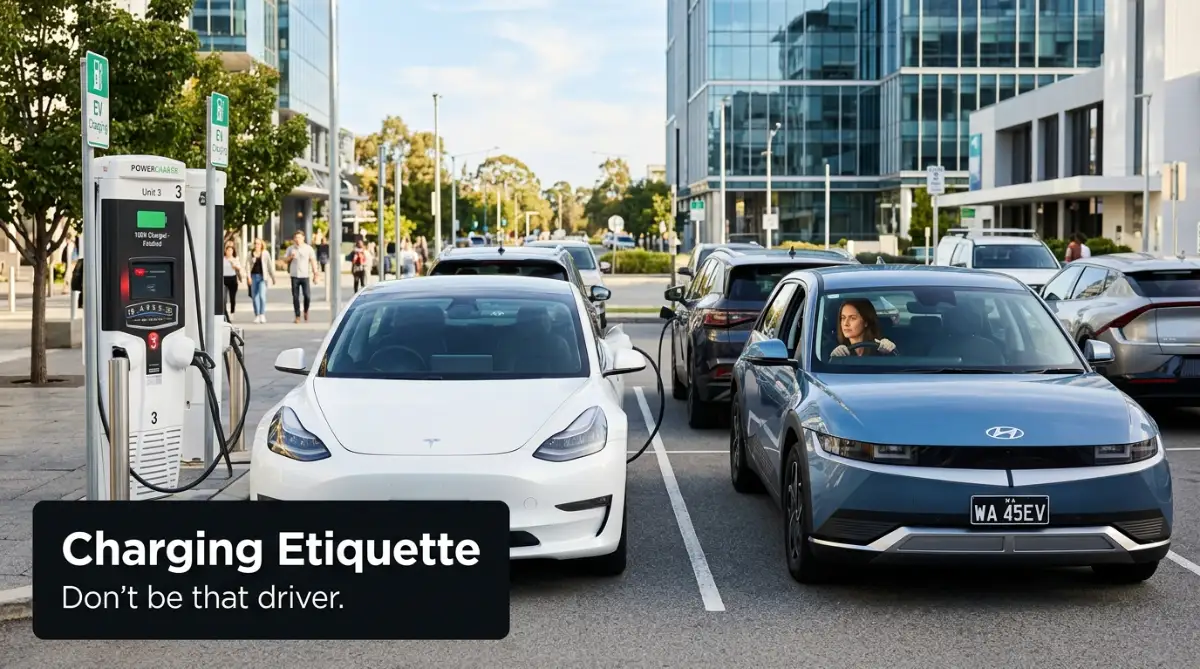
The logic behind it makes total sense. Public stations are meant to be shared resources. If your car is fully charged but still taking up the parking spot, you are preventing another driver from getting home.
To discourage this, companies will start charging you per minute the moment your battery hits your target limit. These fees can add up incredibly fast. I have heard horror stories of people leaving their cars plugged in while having a long dinner, only to return to a massive bill.
If you think I am exaggerating, just look at the official idle fee policies from major networks like Tesla or Electrify America . They do not mess around, and those per-minute charges will ruin your travel budget in a heartbeat.
Your car's companion app will always send you a notification when your session is nearly complete. Do not ignore these alerts. When you see that you have ten minutes left, wrap up your meal or shopping and head back to the parking lot.
Moving your car promptly is not just about saving your hard-earned money. It is simply good manners. The electric vehicle community thrives on mutual respect, and freeing up a stall quickly is the best way to show it.
Watch This Before Your Next Road Trip!
Are you worried about mapping out your route and finding working stations? Check out this incredible breakdown of how to plan the perfect electric road trip without any stress.
Weather Conditions and Unrealistic Expectations
One of the most surprising things about owning an electric car is how much the weather impacts your daily routine. Many drivers make the mistake of trusting their dashboard range estimate blindly, no matter the season.
Batteries are a lot like humans. They like to be comfortable. If it is freezing cold outside, your battery has to work twice as hard just to keep itself warm. This means your driving range will drop significantly during the winter months.
In fact, a well-known study by AAA found that freezing temperatures can cut your driving range by over 40% if you are running the car's heater. It is a harsh reality you need to plan for.
When you plug into a public fast charger in freezing temperatures, the car will also charge much slower than usual. The battery management system restricts the power flow to prevent freezing damage to the internal cells.
If you usually spend twenty minutes at a station in the summer, you might need to plan for forty minutes during a snowstorm. Getting angry at the machine will not make the electrons flow any faster.
To counter this, many modern cars have a feature called "pre-conditioning." If you use your car's built-in navigation to route to a charger, the car will automatically start warming up the battery while you drive.
By the time you arrive at the plug, the battery is at the perfect temperature to accept maximum power. If you are not using your built-in navigation to find stations, you are missing out on this incredible time-saving feature.
Myth vs Reality: The "Topping Off" Habit
Let us clear up a very common myth that carries over from the gas car days. With a traditional car, you might stop at a gas station just to top off the tank before a long drive, even if it is mostly full.
Myth: You should plug your electric car in every single time you see an empty public charger, just to keep it at 100%.
Reality: Constantly plugging in to public fast chargers when you already have a 70% charge is harmful to the battery and terrible for your schedule.
Fast charging generates a lot of heat. Pushing extreme amounts of power into a battery that is almost full causes unnecessary wear and tear on the internal components over the long term.
You should treat public fast chargers like public restrooms. You only use them when you actually need to go. If you have enough range to get to your destination and plug in at home, just keep driving.
Home charging is always cheaper, safer for the battery, and much more convenient. Do not let the sight of an empty station trick you into wasting time.
The Cable Heavy Lifting and Port Care
Have you ever looked closely at the cables connected to public fast chargers? They are incredibly thick, heavy, and awkward to handle. This is because they have internal liquid cooling systems to stop them from melting under extreme power loads.
A very common physical mistake drivers make is bending these cables at sharp angles or dropping the connector directly onto the concrete. The plug at the end of that cable is full of highly sensitive electronic communication pins.
If those pins get bent, dirty, or filled with snow, the charger will refuse to talk to your car. You will get a frustrating "communication error" on the screen, and the session will not start.
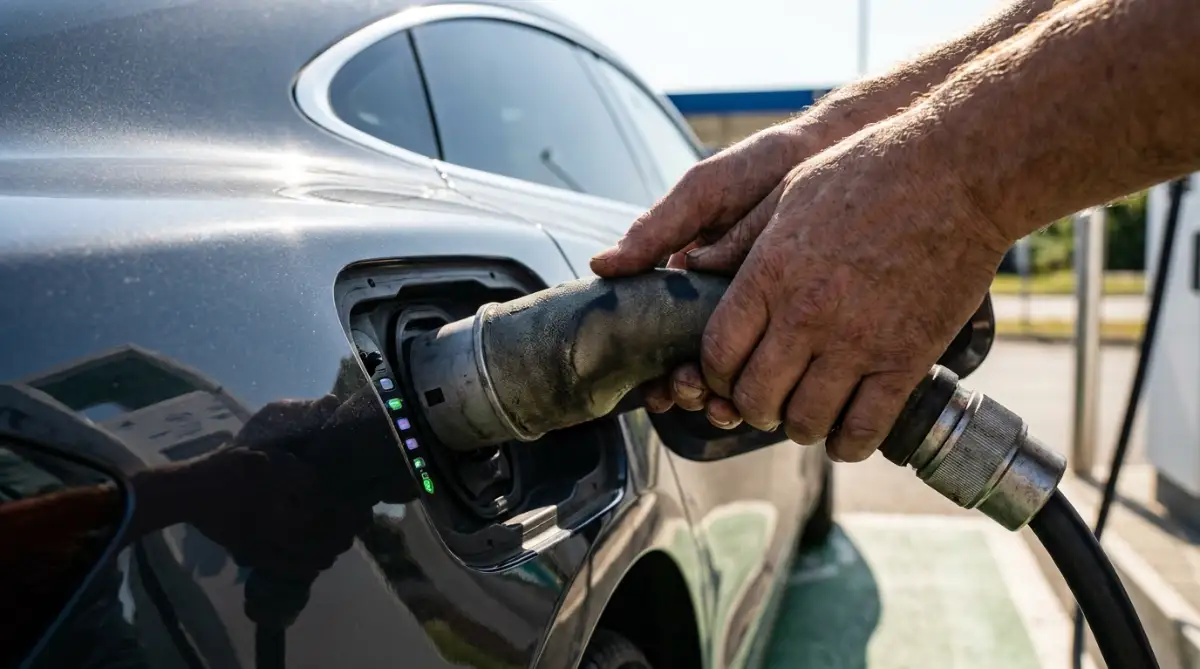
When you remove the plug from the holster, hold it firmly with both hands. Guide it gently into your car's port until you hear a solid click. Do not force it or wiggle it aggressively.
When you are finished, always return the plug to its proper holster on the machine. Never leave it dangling or lying on the ground where another car could easily run over it. Taking care of the equipment ensures the next driver will actually be able to get home.
Mastering the Public Grid: Advanced Tactics for Stress-Free Travel
Once you understand the basic rules of the road, it is time to upgrade your charging strategy. Many new electric vehicle owners just follow the car's default navigation system blindly. This often leads them to the most crowded, frustrating charging stations available.
If you want to truly enjoy your road trips, you need to think a few steps ahead. The first major secret I learned is understanding how power cabinets actually distribute their energy. Have you ever pulled up to a massive fast charger, plugged in, and noticed your charging speed is incredibly slow?
You might assume the machine is broken, but you are likely a victim of shared power. Many public stations use paired power cabinets to save money on installation. If you park directly next to another car that is already charging, the machine might split the electricity right down the middle.
Always look at the numbers on the charging stalls before you park. If you see stalls labeled 1A, 1B, 2A, and 2B, this is a huge clue. If a car is already charging at 1A, you should absolutely avoid parking in 1B.
Instead, pull into 2A to ensure you get the maximum amount of dedicated power from a completely separate internal cabinet. This one simple trick can easily cut your wait time in half. It is a game-changer for busy holiday travel weekends.
Another powerful habit is reading the maximum output numbers printed on the side of the machine. You will usually see stickers saying 50kW, 150kW, or 350kW. These numbers indicate how fast the machine can push electricity into your car.
If your specific car model can only accept a maximum of 100kW, there is absolutely no reason for you to take up a 350kW ultra-fast stall. You will not charge any faster, but you will definitely block a newer, high-performance vehicle from getting back on the highway.
Matching your car's true capability to the right station is the mark of a seasoned driver. For more technical details on how these speed ratings work, I highly recommend checking out this Department of Energy guide on charging equipment to understand the national infrastructure better.
I also completely changed how I plan my travel routes. Instead of trusting my dashboard screen, I now use third-party smartphone apps designed specifically for electric road trips. These advanced apps let you factor in the extra weight in your trunk, the current weather, and even the steepness of the hills you will climb.
By taking these physical factors into account, you get a much more accurate picture of your actual driving range. It completely removes the guesswork and panic from your journey. You will always know exactly how much energy you will have when you arrive at your destination.
You can also maximize your daily driving range simply by changing how you drive. A great technique is letting the car slow itself down using the electric motor instead of the brake pedal. You can learn more about this by reading my guide on unlocking EV efficiency through regenerative braking to stretch every single mile.
Finally, never underestimate the power of carrying a portable emergency cable in your trunk. A simple Level 1 mobile connector can plug right into a standard household wall outlet. It will charge your car extremely slowly, but it is a massive safety net.
If you arrive at an Airbnb or a remote cabin with no public stations nearby, that standard wall plug will slowly drip electricity into your battery overnight. It provides absolute peace of mind when you travel far away from the major city centers.
Dangerous Habits That Can Ruin Your Battery and Your Day
Even with all the best planning in the world, human error can quickly turn a fun drive into a massive headache. The most terrifying mistake I see drivers make is treating their battery percentage exactly like a gas gauge. People will confidently drive past a perfectly good charging station because their screen says they still have ten percent left.
They plan to roll into the very last available station on their route with just one or two percent remaining. This is an incredibly dangerous gamble that you will eventually lose. What happens if you arrive at that final station and the power is out?
What if every single screen is broken, or a gas-powered truck is illegally parked in the only available spot? If you pull in with an empty battery, you have zero backup options left. You cannot just walk to the nearest station and bring back a plastic jug of electricity.
You will be forced to sit in a cold car and wait hours for a flatbed tow truck to come rescue you. Towing an electric vehicle is also much more complicated than a standard car, requiring specific safety protocols to avoid destroying the motors.
I always tell my friends to treat twenty percent as the new zero. When your battery hits that twenty percent mark, start looking for a place to plug in immediately. This comfortable buffer gives you plenty of range to drive to a completely different town if your first choice is broken.
Draining your battery down to zero is also terrible for the internal chemistry of the car. When the massive lithium pack dies, it also stops feeding power to the smaller 12-volt battery under the hood. That small battery controls the computers, the doors, and the safety systems.
If that small battery dies, your entire car turns into a heavy, useless brick. You might not even be able to open the doors or put the car into neutral for the tow truck. It is a cascading failure that happens simply because someone tried to push their luck.
If you want to dive deeper into why extreme charging habits cause permanent damage, read my deep dive on the secret science behind EV battery health and range loss to protect your investment. The long-term savings are massive when you treat the system with respect.
Another incredibly frustrating mistake is relying completely on the public network for your daily commute. I meet so many people who buy these amazing cars without having a solid plan for home charging. They spend hours every week sitting in grocery store parking lots waiting for their battery to fill up.
Public stations are meant for long road trips and emergencies, not for your daily energy needs. Constantly paying premium public charging prices completely wipes out the financial savings of owning an electric car. You end up paying nearly as much as you would for traditional gasoline.
The absolute best way to experience an electric vehicle is waking up every single morning with a completely full battery. Setting up your house for success is easier than you might think. You can easily start by checking out my beginner guide on how to prepare your garage for an electric car to build your own personal fuel station.
Finally, let us talk about the trap of brand loyalty. Some drivers find one charging app they like and refuse to use anything else. They will drive miles out of their way just to use a specific company's machine.
The public grid is constantly changing, with new companies building faster, more reliable stations every month. If you refuse to download new apps or try different networks, you are artificiality limiting your travel freedom. Stay flexible, keep multiple network accounts active, and always choose the station that is most convenient for your current route.
For safety guidelines and official tips on handling heavy electrical equipment safely in wet conditions, I highly advise reading the Consumer Reports guide on electric vehicle charging before your next major trip. It is always better to be safe than sorry when handling high-voltage cables.
Your Action Plan for Electric Freedom
Transitioning to a new way of driving is naturally going to come with a few growing pains. But the moment everything clicks into place, you will wonder why you did not make the switch sooner. You are no longer tied to dirty gas stations, fluctuating oil prices, or loud engines.
The key to a completely stress-free experience is simply changing your mindset. Stop thinking about "filling up" and start thinking about "topping off" whenever it is convenient. Treat your car battery exactly like your smartphone battery.
You probably plug your phone in while you sleep, while you work at your desk, or while you are watching television. Do the exact same thing with your vehicle. Take advantage of the slow chargers at movie theaters, shopping malls, and office buildings.
If you plan your major road trips with a healthy buffer, respect the sharing rules of the public network, and protect your battery from extreme conditions, your travels will be incredibly smooth. The infrastructure is getting better and faster every single day.
You are a pioneer in a massive transportation shift. Yes, there are broken screens and confusing apps right now, but you have the knowledge to navigate around them effortlessly. Take a deep breath, trust your trip planning tools, and enjoy the incredibly quiet, smooth ride.
My Personal Takeaway: I used to let range anxiety completely control my road trips, constantly staring at the battery meter in pure panic. Now, I just plug in, grab a good cup of coffee, and stretch my legs while the car does all the hard work. You have the power to make every single drive an absolute joy, so get out there and explore the open road with complete confidence!
Common Questions About Public Charging
Will using public fast chargers constantly damage my car?
Yes, relying exclusively on DC fast chargers can degrade your battery chemistry over a long period. The extreme heat generated by rapid power delivery puts unnecessary stress on the internal cells. For everyday driving, you should always try to use slower Level 2 chargers or your home wall setup.
Can I safely plug in my car while it is raining heavily?
Absolutely. Modern electric vehicles and public charging stations are rigorously tested and designed to be entirely weatherproof. The heavy charging cables and the car's port have built-in safety sensors that prevent electricity from flowing until a completely secure, watertight connection is confirmed.
What should I do if a gas car is parked in the EV charging spot?
This annoying situation is known as "ICE-ing" within the community. Never start an argument or damage the other person's vehicle. Simply report the blocked spot to the parking lot management or use an app like PlugShare to warn other electric drivers about the blocked location.
Why is my car charging so much slower than the machine's rating?
Your car's internal computer actually controls the charging speed, not the machine. If your battery is already past 80% full, or if the battery is extremely cold from winter weather, the car will intentionally slow down the power intake to protect itself from permanent damage.
Is it safe to leave my car plugged in and walk away to eat?
Yes, it is perfectly safe and encouraged to leave your car while it charges. However, you must monitor your smartphone app closely. The moment your car finishes charging, you need to return immediately to move it, otherwise you will be hit with expensive idle fees and block other waiting drivers.
Disclaimer: The information provided in this article is for educational and informational purposes only. Automotive technologies, charging network policies, and hardware specifications change frequently. Always consult your vehicle's official owner's manual and follow all safety instructions provided by public charging station operators. We are not responsible for any damage, fees, or issues arising from the use of third-party charging equipment.