
The Hidden Struggle: Why Losing Weight Feels Like an Impossible Battle
You are probably tired of reading the same old weight loss advice. Eat less, move more, right? But what if I told you the secret is not about what goes on your plate, but when you actually eat it? Let me share exactly how I stopped fighting my body and let my biological clock do the heavy lifting.
We have all been there at some point in our lives. You look in the mirror, feel a heavy sense of exhaustion, and wonder why nothing seems to work. You cut down your meals, you sweat for hours, yet the scale barely moves.
This endless cycle of trying and failing creates a deep sense of frustration. You are simply trying to get healthier, but your own body feels like it is fighting against you.
Quick Takeaways for Busy Readers
- Fasting is simply about when you eat, not starving yourself.
- Your body switches to burning stored belly fat around the 12-hour mark.
- Adding a tiny pinch of salt to your morning water stops those annoying headaches.
- Breaking your fast with heavy carbs will make you instantly tired and sleepy.
One of the biggest reasons you might be struggling is the sheer amount of confusing advice scattered across the internet. When you search for answers, you often end up more lost than when you started.
- Contradictory Diet Rules: One expert tells you to eat six small meals a day, while another says you should only eat once. This leaves you paralyzed and unsure of what to actually do.
- Fake Miracle Cures: The internet is flooded with magic detox teas and quick-fix pills that promise overnight results but only empty your wallet.
- Complicated Science: Many health blogs use heavy medical terms that are almost impossible for a normal person to understand and apply.
- Ignoring Body Chemistry: Most generic diets treat every human body exactly the same, completely ignoring how your unique hormones respond to different stages of eating.
Let's Keep the Science Super Simple:
Question: Will taking a break from eating slow down my metabolism?
Answer: Nope! Short fasts actually push your metabolism up just a tiny bit. Your body naturally pumps out a little adrenaline to keep you active and alert while it looks for energy.
The Heavy Toll on Your Mental Peace and Confidence
When you constantly battle with your diet and see no real progress, the damage goes far beyond just your physical appearance. The emotional weight is often much heavier than the physical weight.
- Loss of Self-Belief: Every time a new diet fails, you silently blame yourself, thinking you just lack willpower or discipline.
- Social Anxiety: You might start avoiding dinners with friends or family gatherings because you are afraid of being judged for what is on your plate.
- Constant Food Guilt: Eating a simple slice of cake turns into a massive mental punishment, ruining your mood for the entire day.
- Brain Fog and Irritability: The stress of strict dieting combined with poor nutrition leaves you feeling snappy, tired, and unable to focus on your daily work.
Your Body on a Clock: A Simple Breakdown of Fasting
To truly fix this problem, we need to stop looking at random diet rules and start looking at biology. Your body is basically a highly advanced machine. When you understand how it operates hour by hour, everything changes.
Let us walk through the exact timeline of what happens inside you when you stop eating.
Watch this simple video to see exactly how your body switches into fat-burning mode during a fast. It makes the whole process so much easier to understand before you dive into the hour-by-hour stages below!
Myth vs. Reality: The Fasting Truth
Before we break down the exact stages, let us clear up some massive misunderstandings that stop people from trying this amazing lifestyle.
Let's Bust Some Common Fasting Myths:
Now that we have cleared the air, let us look at the beautiful process your body goes through when you take a break from eating.
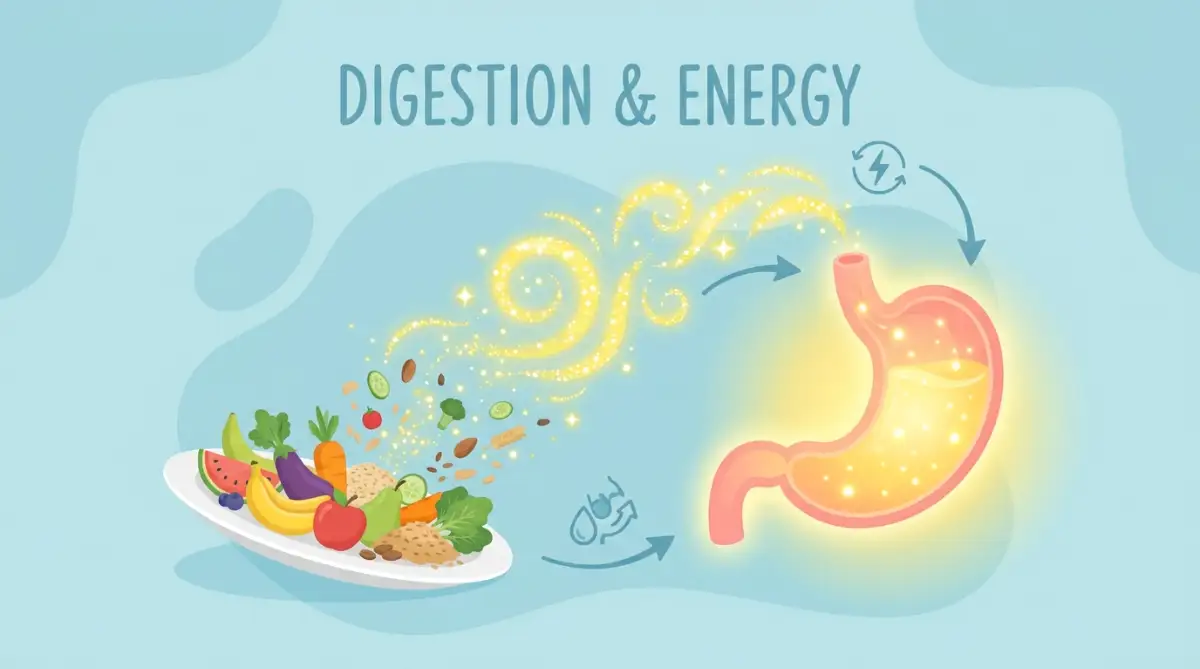
Stage 1: The Digestion Phase (0 to 4 Hours)
Think of your body as a busy factory. When you eat a meal, the factory doors open, and a massive shipment of supplies comes in. For the first few hours after your last bite, your body is working hard to process these supplies.
During this time, your blood sugar levels rise naturally. In response, your pancreas releases a hormone called insulin. Insulin acts like a key, opening up your cells so they can absorb the energy from the food you just ate.
At this stage, your body is completely focused on digestion and storage. It is using the immediate energy from your meal to keep your brain and muscles working. Any extra energy that you do not need right away gets packed up and stored in your liver as glycogen.
Real-Life Scenario:
Imagine you just ate a heavy plate of pasta for lunch. You might feel a sudden spike in energy, followed by a slight dip an hour later. This is simply your body pushing all its resources toward your stomach to break down those carbohydrates. You are heavily relying on external food for fuel.
Expert Pro Tip:
If you want this stage to pass smoothly without massive energy crashes, try to finish your eating window with healthy fats and proteins. A meal rich in protein will keep your insulin levels much more stable than a meal full of refined sugar.
Stage 2: The Emptying Phase (4 to 12 Hours)
Once the factory has processed all the incoming supplies, the machinery slows down. Your blood sugar levels start to drop back to a normal, steady baseline.
Because there is no new food coming in, your insulin levels begin to fall significantly.
This drop in insulin is exactly what we want. When insulin is high, your body physically cannot burn fat. Once it drops, your body realizes that no new food is arriving soon. So, it calmly walks over to the storage room.
It starts pulling out the glycogen (stored sugar) from your liver to keep everything running smoothly. You might start feeling a little rumble in your stomach around hour eight or nine.
This is completely normal and is often triggered by a hunger hormone called ghrelin.
Handling the Hunger Waves:
Many beginners panic when they feel this stomach rumble. They immediately grab a snack, thinking their body is running out of energy. In reality, hunger comes in waves. If you simply drink a large glass of water or a cup of black coffee, the hunger wave will pass within twenty minutes.
Your digestive system is finally getting a much-needed rest. For the first time all day, your body is not spending massive amounts of energy trying to break down heavy meals.
My Personal Fasting Timeline Checklist:
Stage 3: The Fat-Burning Sweet Spot (12 to 16 Hours)
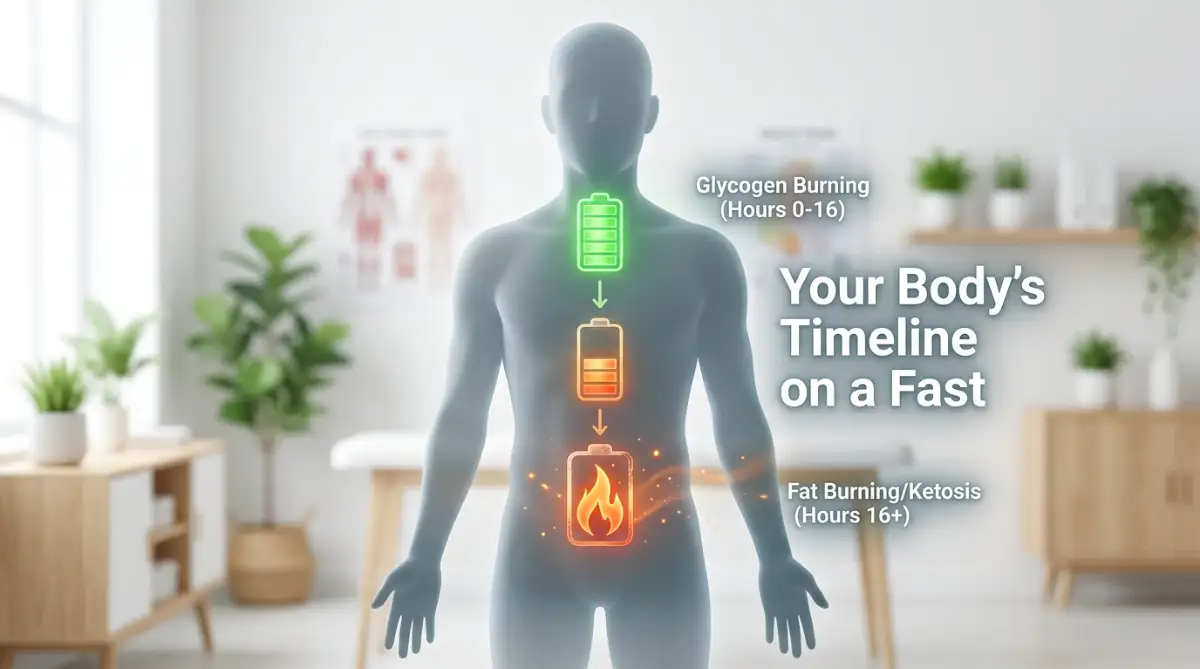
This is where the real magic happens. By hour twelve, the glycogen storage in your liver is running extremely low. Your body now faces a simple choice: shut down or find a new fuel source.
Since shutting down is not an option, your body gracefully switches gears. It transitions from burning sugar to burning stored body fat.
Think of it like a hybrid car automatically switching from gas power to electric power when the gas tank hits empty.
Your liver starts breaking down your fat cells and converting them into something called ketones. Ketones are basically premium, high-grade fuel for your brain. This is exactly why so many people report feeling incredible mental clarity and focus during the morning of a fast.
The Physical Changes You Notice:
During this window, you might notice that your stomach feels flatter and less bloated. Your body is actively tapping into those stubborn fat reserves around your belly and thighs.
Because your insulin is at its lowest point, your fat cells are wide open and releasing stored energy freely.
Real-Life Scenario:
Let us say you stopped eating at 8 PM the night before. By 8 AM the next morning, you are hitting the 12-hour mark. If you can push your first meal until noon, you give your body four solid hours of pure, uninterrupted fat burning. You are quite literally burning fat while sitting at your office desk answering emails.
Stage 4: Deep Cellular Cleanup (16 to 24 Hours)
If you decide to push your fast a little longer, your body enters a highly advanced maintenance mode. Around the 16-to-18-hour mark, a biological process called autophagy begins.
The word autophagy literally translates to "self-eating." While that might sound a bit scary, it is actually one of the most powerful healing mechanisms in the human body. Your healthy cells start hunting down old, damaged, or dead cells.
They recycle these damaged parts and use them to build brand new, optimized cells. It is exactly like taking your car to the mechanic for a deep engine cleaning. All the junk and cellular waste that causes aging and disease gets swept away.

Why This Matters for Your Future Health:
This deep cleaning process is linked to amazing health benefits. It helps reduce widespread inflammation, which is the root cause of many joint pains and skin issues.
People who regularly reach this stage often report glowing skin, reduced acne, and a massive drop in general body aches.
Expert Pro Tip:
You do not need to hit the 24-hour mark every single day to see these benefits. Pushing your fast to 18 or 20 hours just once or twice a week is more than enough to trigger this beautiful cellular recycling process. Always listen to your body, and never force a long fast if you feel extremely dizzy or unwell.
Taking Your Fasting Routine to the Next Level
When I first started fasting, I made a big mistake by putting a tiny bit of cream in my morning coffee, thinking it would not matter. Once I switched to plain black coffee with a pinch of sea salt, my morning hunger vanished and my energy stayed high until lunch.
Understanding the biological timeline is only the first part of the puzzle. Now, we need to focus on how you can actually maintain this new lifestyle without feeling miserable.
Many people start strong but quit after a week because they miss a few hidden secrets of the process.
You do not need an iron will to succeed at this. You just need a smarter strategy that works in harmony with your daily life. Let us look at a few highly effective habits that will make your fasting window feel completely effortless.
The Magic of Proper Hydration and Minerals
When you stop eating, your body naturally flushes out a lot of stored water. Along with this water, you lose essential minerals like sodium, potassium, and magnesium. This sudden drop is exactly what causes the dreaded "fasting headache" or feelings of extreme fatigue.
Think of these minerals as the motor oil in your car. Even if your car has plenty of fuel, it will break down if the engine is completely dry of oil. You must replace these minerals daily to keep your energy levels high and your mind sharp.
A simple pinch of high-quality pink Himalayan salt in your morning glass of water can work wonders. I know it sounds too simple, but trust me on this one. If you want to dive deeper into how this works, you can easily look up how salt keeps your energy up during a fast. This tiny trick alone stopped my stomach from growling and kept me feeling fresh all morning long.
The Gentle Art of Breaking Your Fast
How you end your fast is actually just as important as the fast itself. Imagine waking someone up from a deep, peaceful sleep by throwing a bucket of freezing water on their face. That is exactly what happens to your digestive system when you break a fast with a massive, heavy meal like pizza or burgers.
Your stomach has been resting for hours. Pushing a huge amount of heavy carbohydrates and fats into it will cause a massive blood sugar spike. This sudden spike will leave you feeling bloated, tired, and completely drained of energy within thirty minutes.
Instead, you need to wake your stomach up gently. Start with something very light and easy to digest, like a warm cup of bone broth or a small portion of lean protein. Give your body about thirty minutes to process this light snack before you move on to your main meal.
Turning Skipped Meals Into Lifestyle Upgrades
One of the most unexpected benefits of this lifestyle is how much time and money you suddenly get back. When you are no longer buying breakfast on the way to work or constantly ordering afternoon snacks, your bank account starts to notice. You are basically removing entire grocery categories from your weekly shopping list.
You can actually take this extra money and redirect it toward your personal goals. Many successful people use the savings from their skipped meals to fund other areas of their life. This fits perfectly with the idea of taking full control of your daily habits, where every single choice you make has a clear and healthy purpose.
Instead of mindlessly spending on extra food, you might invest that money into a gym membership or better quality whole foods. Fasting does not just fix your health; it often fixes your daily habits.

Silent Saboteurs That Ruin Your Progress
Even with the best intentions, it is very easy to fall into a few common traps. These hidden mistakes can completely stop your fat loss and make the whole process feel incredibly frustrating. Let us shine a light on these silent saboteurs so you can easily step around them.
The Binge Eating Trap
The most frequent mistake beginners make is treating their eating window like a massive, endless buffet. They starve themselves all day, feeling incredibly proud of their discipline. But the moment the clock strikes twelve, they consume three thousand calories of junk food in a single hour.
This completely defeats the purpose of the biological reset we talked about earlier. If you overload your body with highly processed sugars and bad fats, your insulin levels will skyrocket to dangerous heights. You will simply store all those excess calories right back as new belly fat.
Real-Life Scenario:
You skip breakfast and feel great until lunchtime. At lunch, you feel so hungry that you order a double cheeseburger, fries, and a large soda, thinking you "earned it." By 2 PM, you are falling asleep at your desk. The goal is to eat normal, balanced meals until you feel comfortably full, never stuffed.
Sneaky Drinks That Break Your Fast
Many people unknowingly stop their fat-burning process simply because they do not understand what actually breaks a fast. A common excuse is saying, "It is just a small splash of milk in my coffee," or "This energy drink is sugar-free." Your body does not care about your excuses; it only responds to chemistry.
Any drink that contains calories or artificial sweeteners can trigger an insulin response in your brain. Once insulin is released, your fat-burning doors slam shut immediately. According to experts studying the effects of intermittent fasting, keeping your drinks completely clean is non-negotiable if you want real results.
Stick to plain water, black coffee, or plain green tea during your fasting window. If you find black coffee too bitter, try adding a tiny pinch of salt to the grounds before brewing. This naturally cuts the bitterness without adding a single calorie.
A Quick Lesson From My Own Mistake:
When I first tried this, I used to chew sugar-free gum all morning to ignore my hunger. I had no idea that the sweet taste was tricking my brain into releasing insulin, which completely stopped my fat-burning process! Once I dropped the gum and stuck to plain water, I finally started seeing the scale move.
Ignoring Your Body's Warning Signals
When your body goes through deep cellular cleaning, you might notice some strange temporary changes. Sometimes, as toxins are flushed out, you might experience a mild, temporary skin breakout. This is actually a sign that the detox process is working properly.
Instead of panicking, you should just wash your face gently with warm water and let your body handle the rest naturally. Your skin will clear up and look brighter than ever once the initial detox phase passes.
Additionally, you must listen to your sleep patterns. High stress combined with long fasting hours can sometimes raise your cortisol levels, making it hard to fall asleep. If you notice you are constantly waking up in the middle of the night, you might need to shorten your fasting window slightly until your body adapts.
The All-or-Nothing Mindset
Perfection is the biggest enemy of consistent progress. Many people accidentally eat a cookie early in the morning and think, "Well, I ruined my fast today, so I might as well eat junk food all weekend." This is a terrible approach to long-term health.
Think of this mindset like getting a flat tire on your car. You would not get out and slash the other three perfectly good tires just because one is broken, right? You would simply fix the flat tire and keep driving toward your destination.
Building a healthier body is exactly like saving up money for a big vacation. One small slip-up spending a few dollars will not destroy your entire bank account if you have a solid history of good saving habits.If you slip up and eat early one day, simply smile, forgive yourself, and start fresh the very next day.
Your Personal Blueprint for Tomorrow
We have covered a massive amount of biology, strategy, and psychology today. But reading alone will never change the reflection in your mirror. Action is the only thing that creates real, physical transformation.
You now hold the exact blueprint of how your inner machinery works. You know exactly what happens at hour twelve, and you know how to safely push toward hour sixteen for maximum healing. The power is completely back in your hands.
A Simple Morning Action Plan
To make things incredibly easy, here is exactly what you should do when you wake up tomorrow morning. Do not overthink the process. Just follow these simple, actionable steps to get started on the right foot.
Tomorrow's Checklist:
- Drink two large glasses of plain water immediately after waking up to kickstart your organs.
- Skip the heavy breakfast and brew a fresh cup of plain black coffee or green tea instead.
- Keep yourself deeply busy with work, a hobby, or a morning walk to distract your mind from food habits.
- When your eating window finally opens, break your fast with a clean, protein-rich meal.
Measuring Success Beyond the Scale
Please stop weighing yourself every single morning. Your body weight fluctuates wildly based on water retention, stress, and sleep quality. Staring at the scale every day will only play dangerous tricks on your mental health.
Instead, pay attention to how your clothes fit around your waist. Notice the clean, sharp energy you feel at 10 AM when you would normally be craving a sugary snack. Pay attention to how your joint pain slowly fades away and how your afternoon brain fog completely disappears.
Your body is an incredibly resilient machine that desperately wants to be healthy. By simply giving it a break from constant digestion, you are allowing it to heal itself from the inside out. Start your new schedule tonight, trust the natural biological process, and watch as your energy and confidence completely transform.
Changing my eating schedule was the best thing I ever did for my confidence and my daily energy. You do not have to be perfect right away, so just try skipping your next breakfast and see how much better you feel by tomorrow morning!
Health & Medical Disclaimer:
The information shared in this article is just based on my personal experience and research for educational purposes. It is not professional medical advice. Please talk to your doctor before trying any new fasting routine, especially if you have health issues like diabetes, are pregnant, or take daily medication.
***THANK YOU FOR READING PATIENTLY***