My Frustrating Journey with EV Range Anxiety
Let's be honest, staring at an EV battery percentage dropping faster than your actual speed is terrifying. When I bought my first electric car, I thought I was upgrading to a stress-free ride, but instead, I got a bad case of range anxiety. Thankfully, I figured out a few simple tricks that completely changed how I drive, and I want to share them with you right now so you can finally relax behind the wheel.
I know exactly how stressful it feels to stare at that battery percentage like a ticking clock. Many of us buy an electric vehicle to save money on gas and enjoy a quiet, smooth ride. We expect peace of mind, but instead, we are greeted by a brand-new type of daily stress.
When you lose sleep worrying about how long your car will last, your everyday life is negatively impacted. Family road trips become a stressful series of charging stops instead of a fun adventure. This lack of clear, simple information is ruining the electric car experience for so many wonderful people.
But I am here to tell you that it does not have to be this way at all. Once you learn a few simple, everyday habits, you will take total control of your driving experience again. You can completely eliminate that deep anxiety and finally love driving your electric car.
Quick Takeaways for a Happy EV Battery
- Keep your daily battery level between 20% and 80% to avoid burning out the internal cells.
- Pre-heat your battery on cold mornings while still plugged in so you do not waste road energy.
- Save the high-speed DC fast chargers for long road trips, not your normal grocery runs.
- Check your tire pressure monthly—flat tires force your car to work overtime!
Understanding the Heart of Your Electric Ride
Your electric vehicle is powered by a massive lithium-ion battery pack, which is very similar to the battery inside your smartphone. However, fixing a damaged phone battery is cheap, while replacing a car battery is a massive financial headache. That is exactly why learning how to treat this power source properly is an absolute priority for every owner.
Think of your car's battery like a human stomach. It gets extremely uncomfortable when it is completely stuffed to the maximum limit. It also feels terrible when it is completely empty and starving for energy. Keeping it perfectly balanced in the middle is the absolute best way to ensure it stays healthy for a very long time.
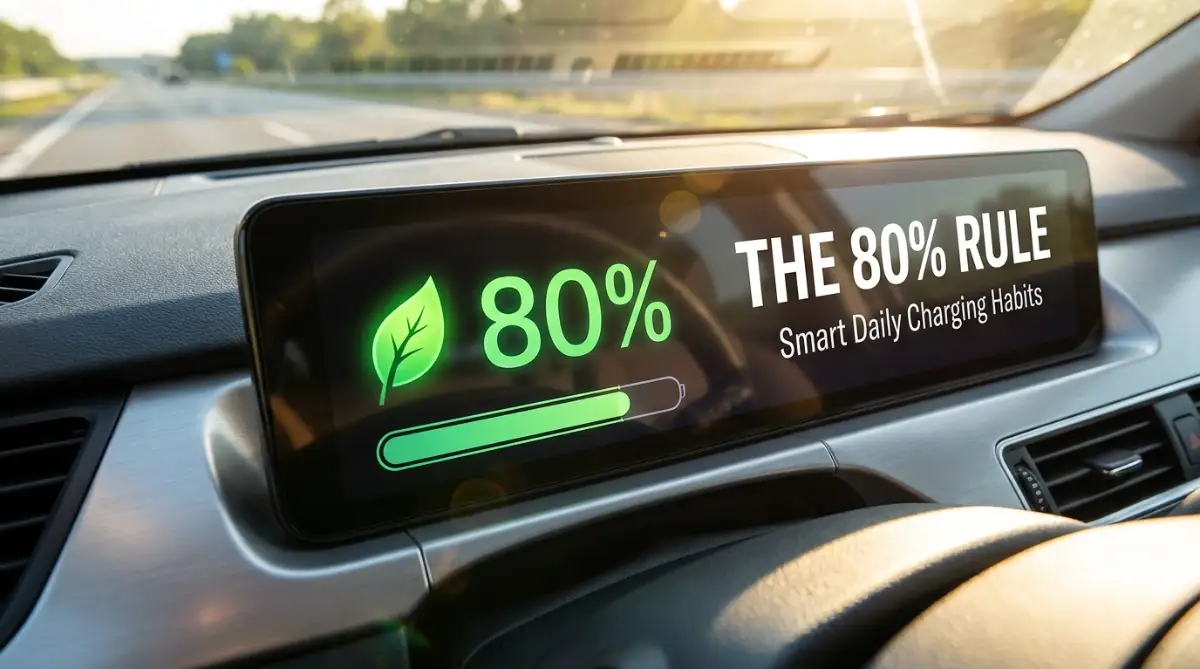
The Magic 20-80 Charging Rule
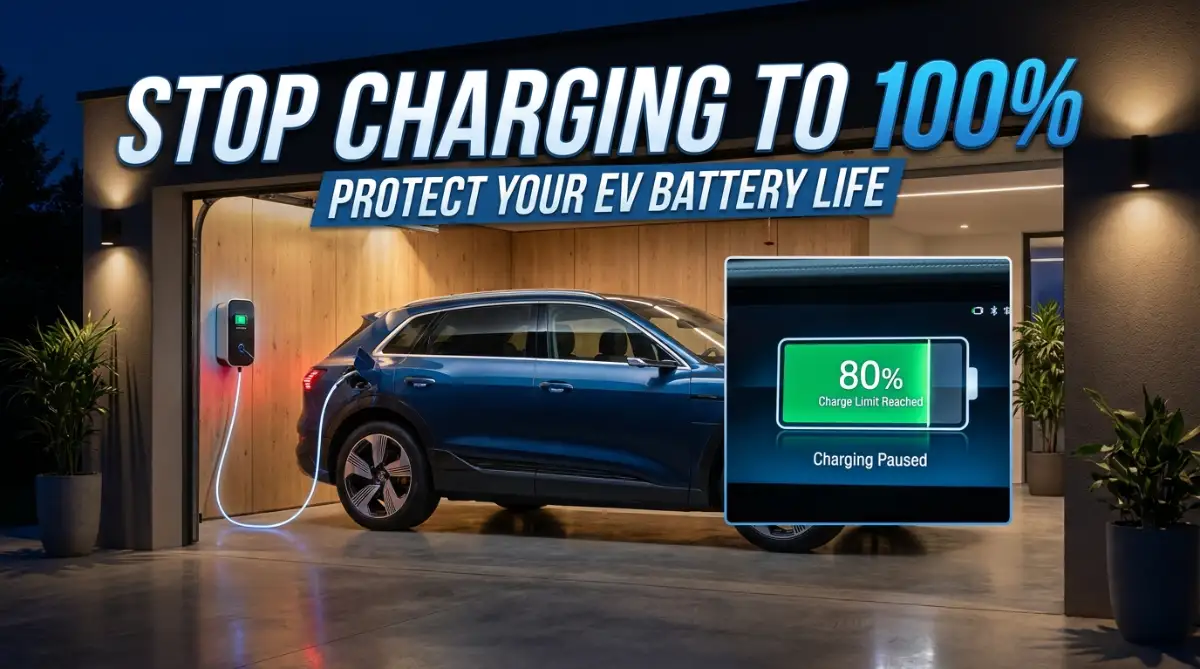
The most effective habit you can start today is keeping your daily charge level between 20% and 80%. When you force energy into the battery cells past the 80% mark, it generates a lot of excess heat and pressure. Over time, this pressure causes the tiny internal components of the battery to break down much faster than normal.
Setting your car to stop charging at 80% for your daily commute is the smartest move you can make. You will still have plenty of range to get to work, run errands, and pick up the kids without any issues. Your battery will stay cool, relaxed, and ready to perform perfectly for years to come.
I constantly hear mixed advice about everyday charging. Let me clear up a few things with a quick breakdown:
I used to plug my car in every single night and leave it charging to 100% just to feel safe. I quickly noticed my total range dropping after a few months of this bad habit. Now, I set my car’s internal limit to 80% for daily driving, and my battery health has stayed perfectly stable ever since.
When to Actually Charge to 100 Percent
Of course, there are specific times when you absolutely need every single drop of power your car can hold. If you are planning a long family road trip across the state, you should definitely charge to 100%. The trick is to time your charging session so the car reaches maximum capacity right before you start driving.
If you leave the car sitting in your garage at 100% for three days, the battery cells will suffer unnecessary stress. But if you hit 100% and immediately drive away, the battery level quickly drops back down to a safe zone. This simple timing trick allows you to enjoy your long trips without damaging your expensive equipment.
Managing Extreme Weather Conditions
Electric car batteries are incredibly sensitive to the weather outside, just like we are. Extreme heat and freezing cold are the silent killers of your daily driving range. Understanding how to protect your car from the weather will save you a massive amount of frustration.
During the hot summer months, try your best to park in the shade or inside a garage. When the sun beats down on your car, the battery temperature rises rapidly. The car's internal cooling system has to work incredibly hard to bring the heat down, which drains your energy while the car is just sitting there.
If you are feeling overwhelmed by all these charging rules, you are not alone. Watch this incredibly helpful breakdown below to see exactly how daily charging habits impact your battery, so you can stop worrying and start driving.
The Reality of Cold Winter Mornings
Winter brings a completely different set of challenges for electric vehicle owners. Cold temperatures cause the chemical reactions inside the battery cells to slow down significantly. This is exactly why you might notice your total range dropping by 20% or more on a freezing morning.
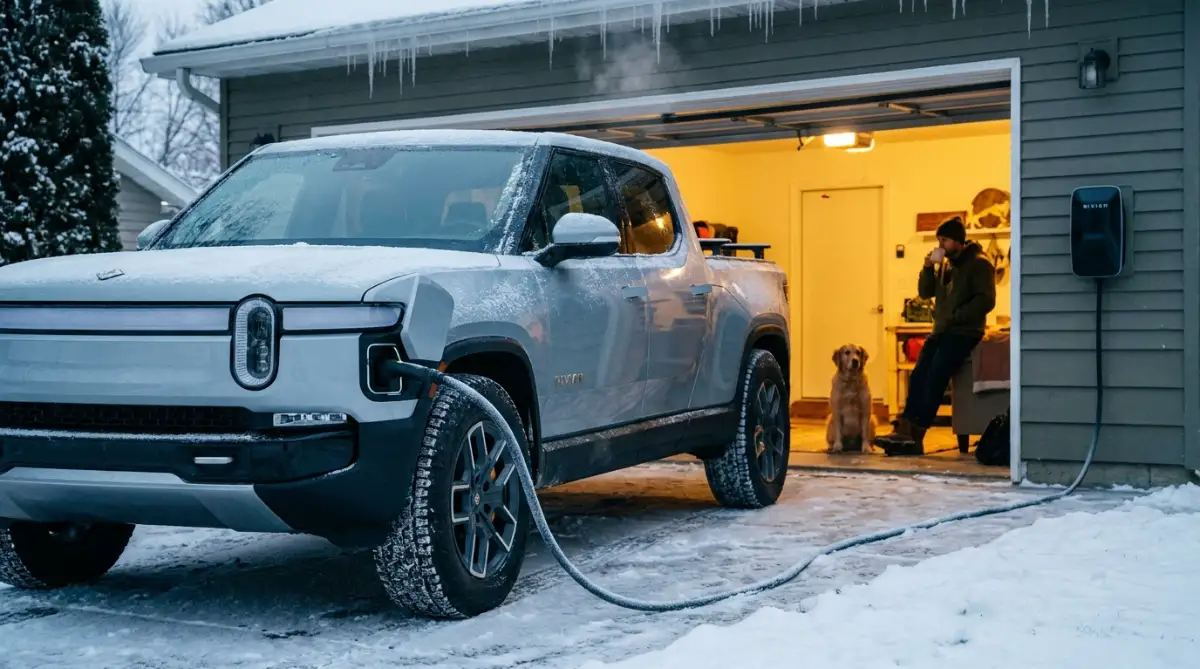
To fight this problem, you should leave your car plugged into the charger until the exact moment you are ready to leave. You can use your phone app to pre-heat the cabin while the car is still pulling power from your house. This warms up the battery pack and saves your stored energy for actual driving on the road.
The Truth About DC Fast Charging
We all love the convenience of plugging into a fast charger and getting back on the highway in twenty minutes. DC fast chargers pump a massive amount of direct current straight into your battery pack. While this is amazing for road trips, it should never be your main way of charging the car every single day.
Think of fast charging like eating fast food. It is incredibly convenient when you are traveling and need something quick. But if you eat it every single day for every meal, your body will eventually start to suffer. Using a Level 2 home charger is like a healthy, home-cooked meal for your car.
Smart Driving Dynamics That Protect Power
How you act behind the steering wheel plays a massive role in how long your battery lasts over the years. If you treat every green light like a drag race, you are forcing the battery to release energy far too quickly. This sudden spike in demand creates a huge amount of heat inside the battery cells.
Smooth, gradual acceleration is the absolute best way to preserve your battery health. You want to ease into the pedal and let the car gain speed naturally. This not only protects your power source, but it also makes the ride much more comfortable for your passengers.
Mastering Regenerative Braking
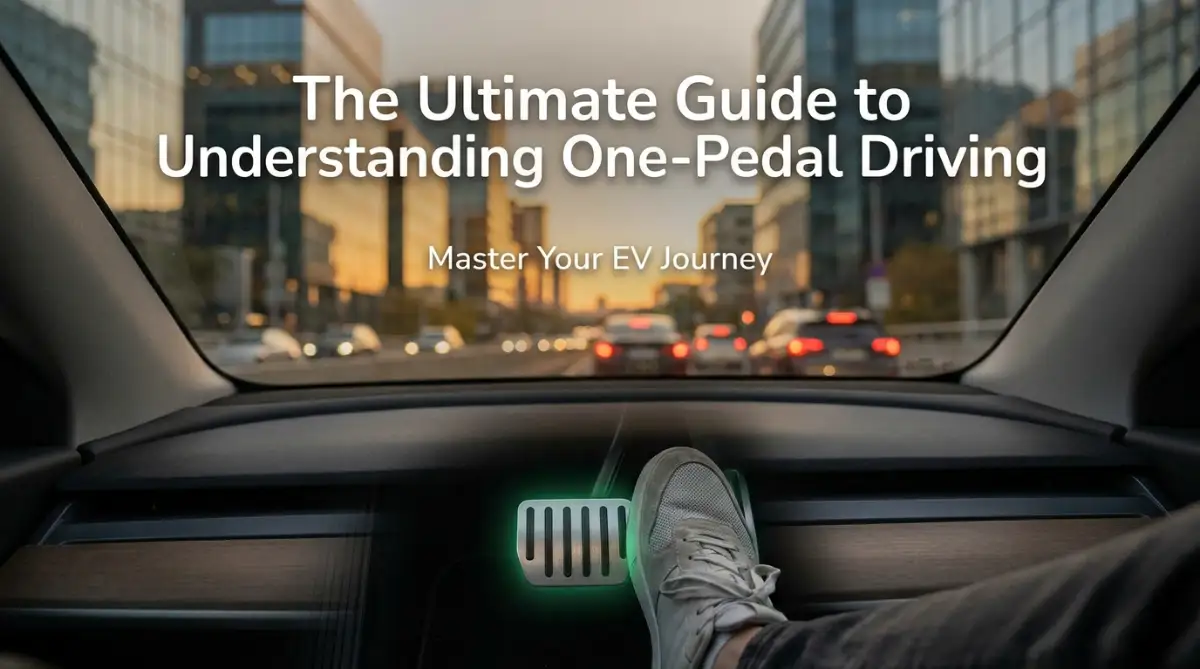
One of the coolest features of owning an electric car is the regenerative braking system. When you take your foot off the accelerator, the electric motor runs backwards to slow the car down. This process actually captures the kinetic energy and sends it straight back into your battery pack.
Learning how to drive using mostly one pedal will significantly increase your daily range. Instead of slamming on the mechanical brakes at the last second, anticipate traffic and let the car slow down on its own. You will save money on brake pads while constantly feeding free energy back into your vehicle.
My Personal Winter Driving Trick: If you live in a place that gets heavy snow, consider turning down your regenerative braking settings on icy days. When the car suddenly slows down on its own, your tires can actually slip on black ice. Driving smoothly with less auto-braking keeps you much safer during those freezing winter months!
Long-Term Storage Strategies
Sometimes you need to leave your car parked for a few weeks while you go on a long vacation. Many owners make the huge mistake of charging the car to 100% and unplugging it before they leave. Leaving a fully charged battery sitting inactive for weeks is a guaranteed way to cause long-term damage.
If you are going away, the best practice is to leave the battery resting right around 50%. This is the most stable and relaxing state for the chemical components inside the cells. If possible, leave the car plugged into a wall outlet and set the maximum charge limit to 50% on your dashboard screen.
Why Software Updates Matter
Your electric vehicle is essentially a giant computer on wheels. The manufacturer is constantly finding new ways to improve how the car manages battery temperature and energy usage. They send these improvements directly to your car through over-the-air software updates.
Ignoring these updates is a big mistake that could cost you valuable driving range. Always connect your car to your home Wi-Fi network so it can download the latest software while you sleep. These free updates often include better charging curves and more efficient power delivery systems.
The Danger of Deep Discharging
We already talked about the dangers of a completely full battery, but an empty battery is just as bad. Letting your car drop below 10% on a regular basis puts a tremendous amount of strain on the system. If the battery hits exactly zero percent, you risk permanently damaging the internal cell structure.
Always plan your trips so you can reach a charger before you dip below the 15% mark. It is much better to take a quick five-minute charging break than to push the car to its absolute limits. Treating your battery with care at the bottom end of the meter is just as important as the top end.
Tire Pressure and Energy Efficiency
You might not realize it, but your tires have a direct and powerful connection to your battery health. When your tires are under-inflated, they create a lot more friction against the surface of the road. Your electric motor has to pull extra energy from the battery just to keep the car moving at normal speeds.
Check your tire pressure at least once a month to ensure they match the exact numbers on your driver-side door panel. Keeping the tires properly inflated is the easiest and cheapest way to instantly improve your range. It reduces the daily workload on your battery, which keeps it running cooler and living longer.
The Weight Factor
Electric cars are already incredibly heavy because of the massive battery pack hidden under the floor. Adding unnecessary weight inside the cabin or the trunk forces the motor to work even harder. Extra weight demands extra power, which means you will have to charge the car more frequently.
Take a few minutes this weekend to clean out your trunk and remove any heavy items you do not need. Taking off roof racks when you are not using them will also greatly improve your aerodynamic efficiency. The lighter and smoother your car is, the less energy your battery has to spend pushing it through the wind.
Creating a Personalized Charging Routine
The key to long-term success is building a daily charging habit that completely fits your personal lifestyle. If you only drive twenty miles a day, you do not need to plug the car in every single evening. You can easily plug it in every three days to bring it back up to 80%.
Here is a super simple checklist I use to keep my electric ride in perfect shape every single month:
Find a routine that takes the mental stress off your shoulders entirely. When charging becomes just another simple background task, you will finally start enjoying the amazing benefits of electric driving. Your car is designed to serve you, not the other way around.
By applying these practical, everyday steps, you are actively protecting one of the biggest investments in your life. You are ensuring that your car remains reliable, powerful, and ready for whatever journey comes next.
Going Beyond the Basics: Pro-Level Battery Strategies
Once you master the daily charging limits, you are ready to explore the hidden features that truly protect your power source. Professional drivers know that managing the internal chemistry of a lithium-ion pack is an absolute game-changer. These advanced habits might sound slightly technical at first, but they are surprisingly simple to apply in your everyday routine. Let me walk you through exactly how I keep my own battery running like it just rolled off the assembly line.
The Secret Magic of Battery Preconditioning
You have probably noticed a feature on your dashboard or mobile app called battery preconditioning. Most new owners completely ignore this button, thinking it only warms up the cabin seats on a chilly morning. In reality, this smart software physically prepares your battery cells to receive or discharge energy safely.
When you tell your navigation system that you are driving to a public fast charger, the car instantly goes to work. It uses its internal thermal management system to warm up or cool down the battery pack to the perfect temperature. According to comprehensive research from the National Renewable Energy Laboratory on lithium-ion thermal thresholds, charging a cold battery forces destructive stress on the cell structures. Taking advantage of preconditioning completely eliminates this invisible damage.
The Occasional Cell Balancing Trick
I know I told you earlier to avoid charging up to maximum capacity whenever possible. However, there is a very specific, rare situation where charging to exactly 100% is actually highly beneficial. Inside your battery pack, there are thousands of individual, tiny battery cells working together as a team. Over time, some of these tiny cells lose their synchronization and end up holding slightly different amounts of energy.
To fix this, you need to perform what experts call a cell balancing session. Every few months, you can plug into a slow home charger and let the vehicle reach 100% capacity naturally. The onboard computer will slowly push energy into the weaker cells until everything is perfectly leveled out. Just remember to schedule this balancing act right before a long drive, so the car does not sit fully charged for hours.
Why Smart Garage Environments Matter
The physical space where you park your car every night has a massive impact on your total driving range. Extreme temperature swings in an uninsulated space force your car to waste energy keeping its battery stable. If your vehicle spends the night shivering or sweating in a harsh environment, you are silently losing miles before you even wake up.
I strongly suggest taking the time to learn how to prepare your garage for an electric car to maximize your charging efficiency. Adding basic weather stripping to your garage door can easily keep the room a few degrees warmer during winter. A comfortable, climate-controlled parking spot acts like a cozy blanket for your battery pack.
Rethinking Your Highway Speeds
It is incredibly tempting to test the instant torque of your electric motor when you merge onto the open highway. The fast acceleration is incredibly fun, but aerodynamic drag becomes your biggest enemy at higher speeds. When you drive over seventy miles per hour, your motor requires exponentially more energy just to push through the heavy wind.
Here is a quick look at how pushing the speed limit eats up your actual driving range on a road trip:
If you are trying to maximize your road trip, slowing down just five miles per hour can instantly extend your range. You will barely notice the difference in your arrival time, but your dashboard numbers will remain much more stable. Understanding this simple physics concept is the secret science behind EV battery health and range loss that many new drivers never learn.
Taking Full Advantage of Kinetic Energy
We talked a bit about one-pedal driving, but mastering this feature requires a deeper understanding of momentum. Coasting down a long hill is the perfect opportunity to let gravity charge your car for absolutely free. When you read the road ahead and anticipate stops early, you are constantly giving power back to the system.
Many drivers do not realize exactly how regenerative braking saves your battery from long-term wear and tear. It physically reduces the heat generated by traditional friction brakes, keeping the entire wheel area cooler. The smoother you drive, the happier and more resilient your battery becomes.
Silent Battery Killers You Might Be Ignoring Today
It breaks my heart when I see new owners accidentally destroying their expensive vehicles simply because nobody taught them the rules. Making a single mistake will not break your car overnight, but repeating bad habits slowly drains the life out of your battery. If you want to avoid a massive replacement bill down the road, you need to watch out for these incredibly common pitfalls.
The Airport Parking Nightmare Scenario
Let me share a quick story about a friend who learned this lesson the hard way. He fully charged his beautiful new electric vehicle to 100% right before driving to the airport for a long vacation. He then left the car sitting on the hot, sunny asphalt parking lot for three entire weeks.
When he finally returned, he immediately noticed that his maximum range had permanently dropped by a noticeable amount. Combining maximum voltage with extreme heat creates a highly destructive environment for lithium-ion chemistry. Detailed battery life cycle analysis provided by Battery University proves that storing a fully charged battery in high heat is the fastest way to kill it. Always leave your car sitting near 50% capacity if you plan to abandon it for a long period.
The Micro-Charging Obsession
Some people treat their cars exactly like their smartphones, plugging them into the wall every single time they pull into the driveway. If they run to the grocery store and drop to 78%, they immediately plug it back in to hit 80%. This obsessive micro-charging habit forces the onboard charging hardware to constantly turn on and off throughout the day.
Your car actually prefers to be driven in larger, healthy chunks of energy usage. It is perfectly fine to let the battery drop down to 40% or 30% over a few days before you plug it back in. Constantly topping it off from 75% to 80% creates unnecessary thermal cycles that provide absolutely zero practical benefits to your daily life.
Forgetting the Impact of Freezing Temperatures
Winter weather is incredibly deceptive because it silently robs your vehicle of power while it sits parked outside. Many drivers make the massive mistake of leaving their cars unplugged outside their offices on freezing days. When it is time to drive home, they are shocked to see their battery percentage dropping dangerously fast.
You absolutely need to understand why your electric car loses power in winter to avoid getting stranded. When a battery freezes, its internal resistance spikes, meaning the motor has to pull twice as hard to get the same amount of power. Always try to keep the car plugged into a public station or wall outlet during cold weather, even if it is just a slow trickle charge.
Mishandling Public Charging Etiquette
Using a public fast charger can be incredibly stressful when you do not know the unwritten rules of the road. One of the worst things you can do is occupy a fast charger when your battery is already past 80%. The charging speed naturally slows down to a tiny crawl after this point to protect the internal cells.
Sitting at a high-speed plug to get from 80% to 100% wastes your precious time and frustrates other drivers waiting in line. I highly recommend learning how to avoid costly electric car charging mistakes in public so you can travel with confidence. Once you hit that 80% mark, simply unplug, move your vehicle, and get back on the highway.
Relying Too Heavily on Fast Chargers
I know people who exclusively use DC fast chargers because they get free charging credits from their car manufacturer. While the idea of free energy sounds amazing, this habit comes with a heavy hidden cost to your vehicle's lifespan. Pushing massive amounts of direct current into your car every single week generates incredible amounts of internal heat.
Over time, this intense heat physically degrades the anode and cathode materials inside the battery cells. According to deep studies published by the Institute of Electrical and Electronics Engineers on battery degradation, continuous rapid charging visibly reduces long-term capacity retention. Save the high-speed chargers for your cross-country road trips, and stick to gentle AC charging for your normal daily life.

Your Roadmap to Long-Lasting Electric Power
Taking care of an electric vehicle does not have to be a complicated scientific experiment. It is simply about respecting the technology and building a few smart, practical routines into your normal life. When you treat your battery with a little bit of daily kindness, it will reward you with thousands of miles of incredibly quiet, joyful driving.
At the end of the day, understanding these habits directly impacts your household budget. The longer your battery lasts, the less you spend, which makes it much easier to calculate the total cost of ownership for an electric vehicle. You are essentially actively protecting the future resale value of your car every time you set that 80% charge limit.
Instead of feeling anxious about your dashboard range, you can finally feel empowered and completely in control. You now have the exact same knowledge that professional mechanics and seasoned owners use to keep their cars running flawlessly. Just remember that extreme temperatures, deep discharges, and constant max-charging are your only real enemies on the road.
I know changing your daily habits feels a little bit overwhelming right now, but taking these small steps completely transformed my own driving experience. I finally stopped worrying about my dashboard numbers, and my battery health has never been better. Start applying just one of these new habits today, and you will instantly feel so much more confident behind the wheel.
Answering Your Biggest Electric Vehicle Charging Questions
Should I charge my electric car every single night?
No, you do not need to charge your electric car every single night unless your daily commute uses up most of your battery. If your battery level is sitting comfortably around 50% after work, it is perfectly fine to leave it alone. Simply plug it in when you actually need to replenish your range back up to that safe 80% zone.
Is it safe to leave my electric vehicle plugged in for weeks?
Yes, it is completely safe as long as you adjust your maximum charging limit on the dashboard screen first. Set the target limit to exactly 50%, and leave the cable securely plugged into the wall outlet. The car's internal computer will smartly manage the battery temperature and keep it perfectly healthy while you are away.
Does fast charging actually damage my battery over time?
Using a fast charger occasionally for road trips will not cause any noticeable damage to your car. However, relying on fast chargers for your everyday power supply creates excess heat that degrades the battery chemistry over time. Try to do the majority of your charging at home using a standard Level 2 setup.
Why does my driving range drop so fast on the highway?
Electric cars are highly sensitive to wind resistance, which drastically increases when you drive at high highway speeds. Pushing the heavy car through the wind requires your electric motor to work extremely hard, pulling massive amounts of energy. Slowing down just slightly will immediately stabilize your battery drain and give you better total range.
Disclaimer: The information provided in this article is for educational and informational purposes only. Battery chemistry and vehicle software can vary widely by manufacturer and specific model. Always consult your official vehicle owner's manual or contact a certified manufacturer representative for specific guidelines regarding your personal electric vehicle.